

Water, Water Everywhere: Troubleshooting Your Leaky AC
Discover why your AC is leaking water. Learn common causes, immediate fixes, and when to call a pro for repair.


Understanding Why Your AC Produces Water
AC leaking water is one of the most common cooling system problems Arizona homeowners face, especially during our intense summer months. Here's what you need to know right away:
Quick Diagnosis Guide:
- Normal: Small amounts of condensation outside the unit
- Problem: Puddles inside your home, water stains on walls/ceilings
- Most Common Cause: Clogged condensate drain line (75% of cases)
- Immediate Action: Turn off your AC system completely
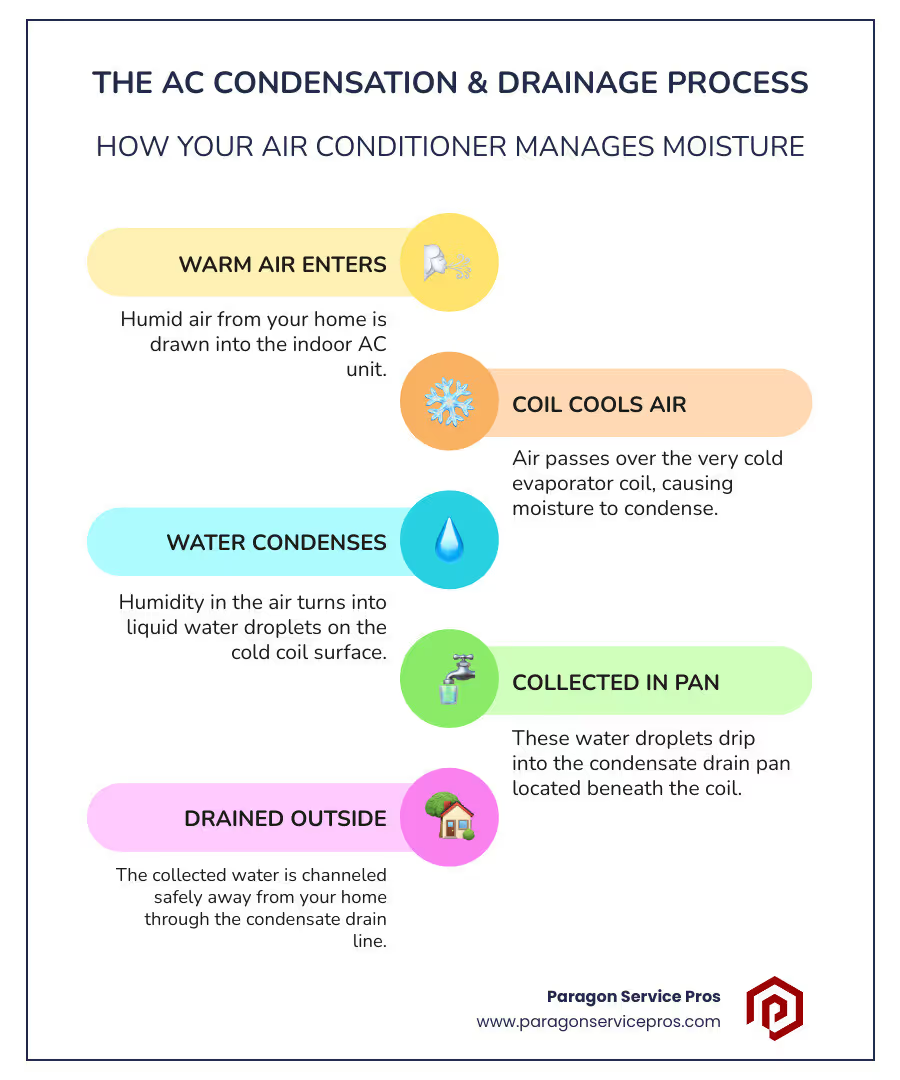
Your air conditioner naturally creates water as part of its cooling process. When warm, humid air passes over the cold evaporator coil inside your unit, moisture condenses - just like water droplets forming on a cold glass on a hot day.
This condensation is completely normal. Your AC system is designed to collect this water in a drain pan and channel it outside through a condensate drain line.
The problem starts when this drainage system fails. Instead of flowing safely outside, water backs up and leaks into your home. You might notice:
- Puddles around your indoor unit
- Water stains on walls or ceilings
- Musty odors from mold growth
- Higher humidity levels indoors
The good news? Most AC water leaks have simple causes that you can often identify yourself. The research shows that a clogged condensate drain line accounts for the majority of these issues.
Don't ignore even small leaks. What starts as a minor drip can quickly become major water damage, mold growth, and expensive repairs to your home's structure.
Why Is My AC Leaking Water? The 7 Most Common Culprits
Finding water where it shouldn't be around your AC unit can make your heart skip a beat. The good news? Most AC leaking water problems stem from just a handful of common issues that are surprisingly straightforward to diagnose. Let's walk through the seven most frequent culprits so you can pinpoint what's happening with your system.
Clogged Condensate Drain Line
Here's the big one - clogged condensate drain lines cause about 75% of all AC water leaks. Think of this drain line as your AC's plumbing system. It's designed to carry all that condensation safely outside, but it doesn't stay clean on its own.
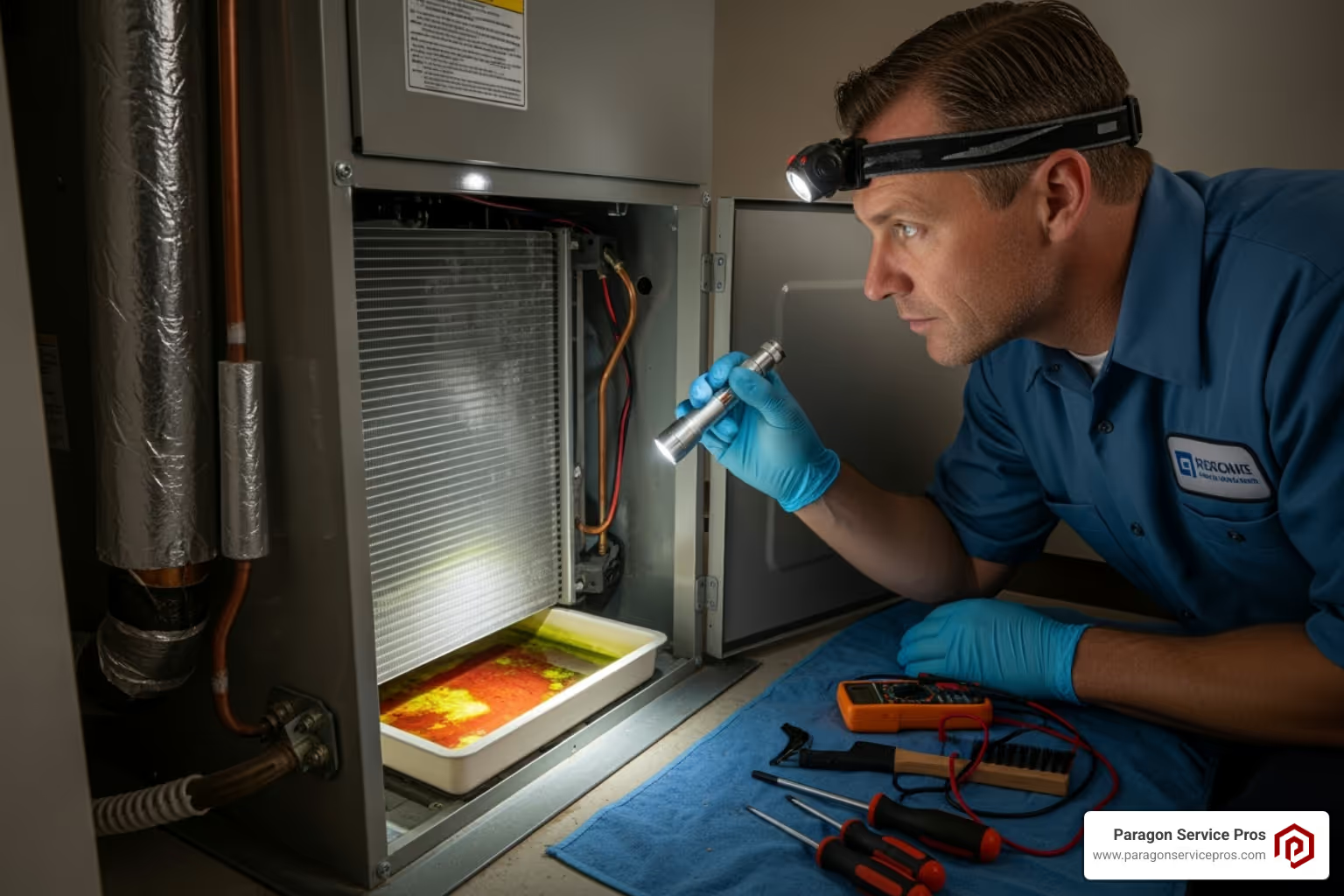
Over time, this narrow pipe becomes a breeding ground for algae and mold. Add in dust, debris, and Arizona's notorious dust storms, and you've got a recipe for a serious blockage. When the drain line gets clogged, water has nowhere to go except back up into your home.
You'll know you have a clog if you see standing water in the drain pan, catch a musty smell near your unit, or notice water stains around your indoor AC. The drain pan will eventually overflow, creating those dreaded puddles inside your house.
The silver lining? This is often something you can tackle yourself. Check out this helpful guide on how to clean a clogged AC drain line. If the clog proves stubborn or keeps coming back, our team is ready to help with professional AC Repair.
Dirty Air Filter & Frozen Evaporator Coils
This one surprises people - how can a dirty filter lead to your AC leaking water? It's all about airflow and temperature.
Your air filter keeps dust and debris from clogging up your AC's internal components. But when that filter gets too dirty, it chokes off the airflow to your evaporator coil. Without enough warm air flowing over it, the coil gets too cold and starts forming ice.
Here's where the water problem comes in: when your AC shuts off or the ice buildup gets too heavy, all that ice melts at once. This sudden flood of water can overwhelm your drain pan and condensate line, causing water to spill into your home.
Restricted airflow also makes your system work harder and less efficiently. The solution is simple - keep that filter clean! Learn the proper technique with this guide on how to clean an AC filter, and find more ways to keep your system running smoothly in our Maximizing Energy Efficiency Tips for Your AC Unit.
Low Refrigerant Levels
Low refrigerant creates a similar freezing problem, but for a different reason. When your system is low on refrigerant (usually from a leak somewhere), the pressure drops throughout the system. This causes your evaporator coil to get much colder than it should.
Just like with a dirty filter, this leads to ice formation. When that ice melts, you get more water than your drainage system can handle. You might also notice hissing or bubbling sounds from your unit - that's often refrigerant escaping through a leak.
Unlike a dirty filter, low refrigerant isn't a DIY fix. It requires a certified technician to locate the leak, repair it, and properly recharge your system. If your AC isn't cooling properly along with the water leak, refrigerant could be the culprit. Learn more about cooling problems on our AC Not Cooling page.
Damaged or Rusted Drain Pan
Your drain pan sits right under the evaporator coil, catching all the condensation that drips down. In Arizona's climate, these pans work overtime, and older units (10-15 years) are especially vulnerable to wear and tear.
Metal drain pans can develop rust and corrosion over time. Once cracks appear or rust eats through the bottom, water leaks directly through the pan itself - no overflow needed. It's like trying to catch water in a bucket with holes in it.
Unfortunately, cracked or rusted drain pans usually need replacement rather than repair. If your AC unit is getting up there in years and you're dealing with a damaged drain pan, it might be time to consider whether other components are also wearing out. Check our guide on 7 Signs Your Air Conditioner Needs to Be Replaced to see if a full system upgrade makes sense.
Broken Condensate Pump
Not every AC unit has a condensate pump, but if yours is installed in a basement, attic, or other location where gravity can't drain the water naturally, you'll have one of these handy devices.
The condensate pump does exactly what its name suggests - it pumps collected water from your AC through a small tube to wherever it needs to go. When this pump fails, water backs up in the pump's reservoir and eventually overflows.
Pump failure can happen from electrical problems, mechanical wear, or clogs from accumulated debris. Since the pump is usually tucked away with your AC unit, you might not notice it's failed until water starts appearing where it shouldn't.
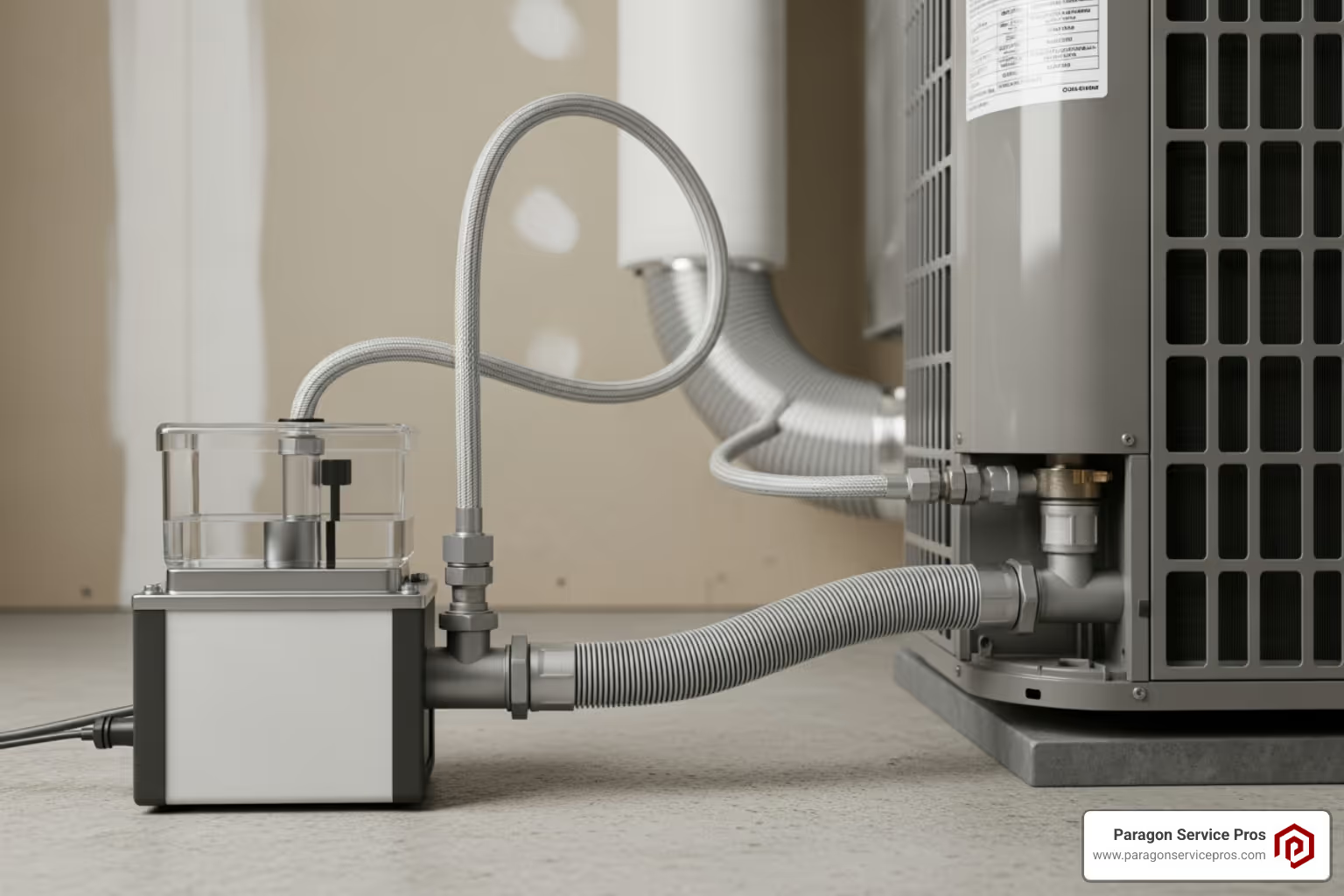
A broken condensate pump typically needs professional attention for repair or replacement. Don't wait on this one - pump failures can lead to significant water damage quickly.
Improper AC Installation
While less common than the other causes, improper installation can definitely cause your AC leaking water. Your AC unit needs to be perfectly level or angled slightly toward the drain to ensure water flows where it should.
If the unit isn't level, water can pool in the wrong places instead of flowing to the drain pan. Incorrect drainage slope in the condensate line can cause water to flow backward or get trapped. Poorly connected drain lines with loose fittings or kinks can also block proper drainage.
This is why professional installation matters so much. A properly installed system prevents many headaches down the road. If you're considering a new AC system, understanding what goes into quality installation can help you make informed decisions. Learn more in our guide on Understanding the Cost of AC Installation: What to Expect.
Your Immediate Action Plan: What to Do When You Spot a Leak
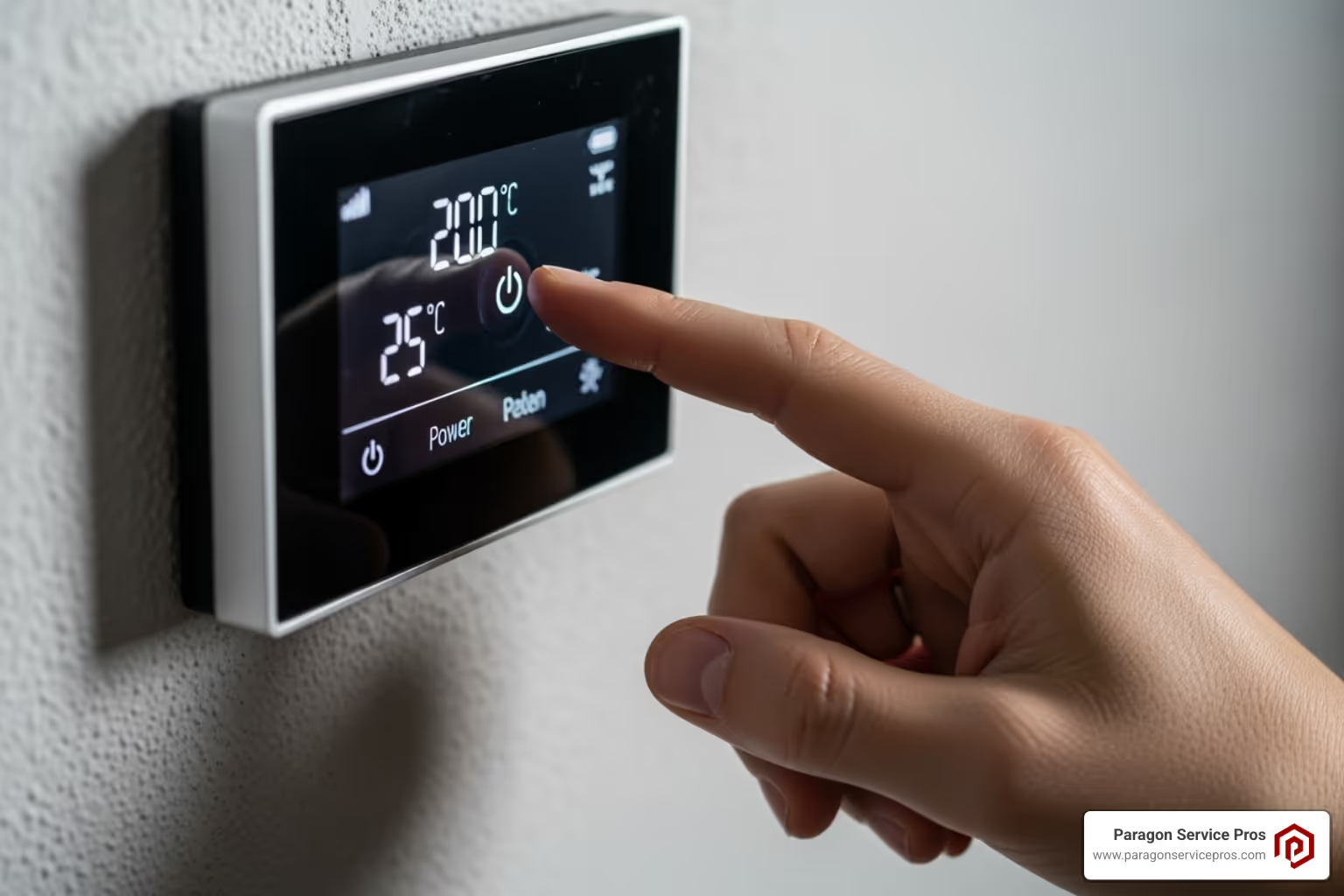
Finding your AC leaking water can feel like finding a surprise puddle party in your living room – except nobody's celebrating. Take a deep breath. While it's definitely not something to ignore, following these immediate steps can prevent a small problem from becoming a major home disaster.
Step 1: Turn Off Your AC System
Your first move should always be reaching for that thermostat. Turn off your AC system completely – this isn't the time to hope it'll magically fix itself. Set your thermostat to "Off" (or "Fan Only" if you suspect frozen coils that need to thaw).
But don't stop there. Head to your home's main electrical breaker box and turn off the power to your AC unit entirely. This double-safety approach prevents further water damage and eliminates any chance of water mixing with electricity. Trust us, that's a combination nobody wants to deal with.
This simple step stops the problem from getting worse while you figure out what's going on. Think of it as hitting the pause button on potential disaster.
Step 2: Simple DIY Fixes for an AC Leaking Water
Once your system is safely powered down, you can roll up your sleeves for some basic troubleshooting. Many AC leaking water problems have surprisingly simple solutions that don't require a service call.
Start with your air filter – it's often the sneaky culprit behind frozen coils. If it looks like it's collected enough dust to knit a sweater, replace it immediately. A clogged filter restricts airflow, causing your evaporator coil to freeze and eventually create a water overflow when it melts.
Next, tackle that condensate drain line. Look for a PVC pipe coming from your indoor unit – that's your drainage highway. You can often clear minor clogs using a wet/dry vacuum to suction debris from the outdoor end of the pipe. For stubborn buildups, pour about a cup of distilled white vinegar into the drain line's access point (usually a T-shaped vent near your indoor unit). Let it work its magic for 30 minutes to dissolve algae and sludge, then flush with clean water.
If you spot a frozen evaporator coil, be patient and let it thaw completely – this can take several hours. While you wait, clean up any standing water to prevent damage to your floors and belongings.
Remember to inspect the drain line for visible kinks or obvious blockages. Sometimes the fix is as simple as straightening a bent pipe or removing debris from the opening.
Step 3: Know the Dangers of an AC Leaking Water
Here's where we get serious for a moment. An AC leaking water isn't just an inconvenience – it's your home sending up a red flag that demands immediate attention.
Water damage spreads fast and hits hard. What starts as a small puddle can quickly seep into drywall, soak insulation, ruin flooring, and even weaken structural wood. We've seen beautiful hardwood floors buckle and ceilings develop unsightly stains that require expensive repairs.
Mold and mildew love the party. Damp conditions create the perfect breeding ground for these unwelcome guests. Beyond creating that musty smell that makes your home feel less inviting, mold poses real health risks. It can trigger allergies, cause respiratory problems, and create ongoing health issues for your family.
Electrical hazards are no joke. Water and electricity make dangerous dance partners. A leak near electrical components can cause short circuits, fry your AC's electrical system, or create fire hazards. In worst-case scenarios, you could face electrocution risks.
Structural damage builds over time. Persistent leaks don't just damage surfaces – they can weaken wooden beams, joists, and other structural elements that keep your home solid and safe. What seems like a minor drip today could compromise your home's integrity tomorrow.
The bottom line? Every minute you wait gives these problems more time to grow. Quick action now can save you thousands in repairs later.
Prevention and Professional Care
Think of your air conditioner like your car - regular maintenance keeps it running smoothly and prevents those unexpected breakdowns that always seem to happen at the worst possible moments. When it comes to preventing AC leaking water issues, a little proactive care goes a long way toward keeping your system healthy and your home dry.
The truth is, most water leaks are completely preventable with routine attention. Arizona's extreme heat and dust make regular maintenance even more crucial for us desert dwellers. Those scorching summer months put tremendous stress on your AC system, and without proper care, small issues quickly become major headaches.
Seasonal Air Conditioning Preparation Tips for Optimal Performance can save you a lot of headaches (and money!) in the long run.
How Regular Maintenance Prevents Leaks
Regular maintenance is your best defense against unexpected AC leaking water problems. Think of it as a routine check-up for your home's most hardworking appliance - especially here in Arizona where your AC runs almost year-round.
During a professional AC Maintenance visit, our technicians perform a comprehensive inspection that targets the exact areas where leaks typically develop. Cleaning the evaporator coils prevents the ice buildup that leads to overflow situations. Dirty coils can't transfer heat properly, which causes them to freeze and create excessive water when they thaw.
Checking refrigerant levels ensures your system maintains proper pressure. When refrigerant runs low, your evaporator coil gets too cold and freezes, creating the same overflow problem when all that ice melts at once.
The most critical step is inspecting and cleaning the drain system. This includes flushing the condensate drain line to remove algae, mold, and debris buildup before it becomes a complete blockage. We also examine the drain pan for early signs of rust, corrosion, or small cracks that could turn into bigger problems.
Professional maintenance catches these issues before they cause water damage to your home. It's much less expensive to prevent a leak than to repair water damage to your floors, walls, and belongings.
Wondering how often you should schedule these vital check-ups? Our guide on How Often Should You Schedule an AC Tune-Up? Expert Tips and Insights provides expert recommendations custom to Arizona's unique climate challenges.
When to Call a Professional for Your Leaky AC
While some AC leaking water issues respond well to simple DIY fixes like changing filters or clearing minor drain clogs, many situations require professional expertise. Knowing when to call for help can save you time, money, and prevent further damage to your home.
Refrigerant leaks are serious business and definitely not a DIY project. These require specialized equipment to detect and repair safely, plus proper licensing to handle refrigerants. If you hear hissing sounds or notice your AC isn't cooling properly along with water leaks, refrigerant issues are likely the culprit.
Broken condensate pump repairs can be tricky since these units involve both plumbing and electrical components. A faulty pump means water has nowhere to go, and attempting repairs without proper knowledge can lead to bigger problems.
When your drain pan needs replacement, it often requires dismantling parts of your indoor unit to access it properly. This isn't just about swapping out a pan - everything needs to be sealed and aligned correctly to prevent future leaks.
Complex drain line clogs that don't respond to basic clearing methods may require professional-grade equipment. Sometimes the blockage is deep within the system or the line itself has structural issues that need addressing.
Installation problems like improper leveling or incorrect drain slopes require professional correction. These foundational issues won't resolve themselves and typically get worse over time.
Most importantly, persistent leaks that return after you've tried simple fixes signal deeper underlying problems. Don't keep fighting the same battle - let our experienced technicians identify and solve the root cause.
Recognizing these warning signs early can prevent minor issues from becoming major disasters. Our guide on Air Conditioner SOS: Warning Signs Your Air Conditioner Needs Repair helps you identify when it's time to call in professional help.
Frequently Asked Questions about Leaky AC Units
How often should I replace my AC air filter?
Here's a question we hear all the time, and honestly, it's one of the most important things you can do to prevent your AC leaking water. The simple answer? Every 1 to 3 months – but let me tell you why it's not quite that straightforward.
If you've got pets, those adorable fur babies are working overtime to clog your filter with dander and hair. You'll probably need to swap it out monthly to keep things flowing smoothly. And if anyone in your household deals with allergies or respiratory issues, more frequent changes (every 30-45 days) can make a world of difference for both your health and your AC's performance.
Now, here's where living in Arizona comes into play. Our desert environment means dust, dust, and more dust. We often tell our customers to check their filter monthly during peak cooling season because that Arizona dust doesn't mess around. It'll clog a filter faster than you'd expect.
The size of your household matters too. More people means more dust – it's just the way it goes. A busy family of five will need more frequent filter changes than a couple living alone.
Here's the thing: replacing your air filter regularly is honestly one of the easiest and most effective ways to prevent frozen coils and the water leaks that follow. It's like changing the oil in your car – simple, inexpensive, and absolutely crucial.
Can a leaking AC unit cause serious damage to my home?
Oh boy, can it ever! I wish I could tell you that a little drip is no big deal, but the truth is, what starts as a small puddle can quickly become a homeowner's nightmare.
Let's talk about what really happens when you ignore that leak. Water doesn't stay put – it seeps into drywall, soaks into insulation, and finds its way into wooden structures. Before you know it, you're looking at rot and structural damage that can literally weaken your home's foundation.
But here's what really gets me worried for our customers: mold and mildew. These unwelcome guests love nothing more than a damp environment, and they don't stay contained. They spread rapidly, create those awful musty smells, and can cause serious health problems for your family.
I've seen beautiful hardwood floors warped beyond repair, carpets that had to be completely replaced, and ceilings that started sagging from water damage. And don't even get me started on the water stains – they're incredibly difficult to cover up completely.
Perhaps most concerning of all are the electrical hazards. When water meets electrical components, you're looking at potential short circuits, damage to your AC unit, and in worst-case scenarios, fire risks. It's just not worth taking chances with your family's safety.
The bottom line? Even a small AC leaking water problem can snowball into thousands of dollars in repairs and pose real risks to your home and health.
Is it safe to run my AC if it's leaking a small amount of water?
I'm going to be straight with you – absolutely not. I know it's tempting, especially when it's 115°F outside and that "tiny" leak seems manageable, but running your AC when it's leaking water is never a good idea.
Here's what happens when you keep running a leaking unit: that small leak becomes a big leak, often faster than you'd expect. What might start as a few drops can quickly turn into a steady stream, and suddenly you're dealing with major water damage instead of a simple repair.
When you keep running a unit with issues like a frozen coil, you're putting tremendous stress on the compressor and other expensive components. This can transform a relatively inexpensive fix into a major repair bill – or even a complete system replacement.
But the safety concerns are what really keep me up at night. Any amount of water near electrical components creates the potential for electrical shock or fire. It's just not worth the risk to you and your family.
Even that seemingly harmless drip is creating the perfect environment for mold and mildew to take hold. Once mold starts growing, it can impact your indoor air quality and spread throughout your home's structure.
Turn off your AC immediately – both at the thermostat and at the breaker box – as soon as you notice any leak. Yes, it might be uncomfortable for a while, but this simple step can save you from much bigger problems and significantly higher costs down the road. Trust me, your future self will thank you for taking action right away.
Get Your AC Leak Fixed Fast and Right
When your AC leaking water turns your comfortable Arizona home into a stress zone, you need solutions that work - and fast. We've walked through the seven most common culprits behind those unwelcome puddles, from the usual suspect of clogged condensate drain lines to the more complex issues like refrigerant leaks and damaged drain pans.
Here's what really matters: taking immediate action saves you money and headaches. The moment you spot water where it shouldn't be, turn off your system completely. Those simple DIY fixes we covered - like clearing a drain line with a shop vacuum or swapping out a dirty air filter - can often solve the problem on the spot.
But let's be honest about when you're in over your head. Refrigerant leaks, broken condensate pumps, and installation problems aren't weekend warrior projects. These issues require the right tools, expertise, and safety knowledge that only certified technicians bring to the table.
That's where we come in. At Paragon Service Pros, we've seen every type of AC leaking water scenario Arizona can throw at us. Our technicians don't just fix the immediate problem - we dig deeper to find the root cause so you're not dealing with the same mess again next month.
We understand the urgency. When your AC is down in 115-degree heat, "next week" isn't an acceptable timeline. That's why we offer same-day and emergency appointments across Arizona and Utah. Whether you're sweating it out in Chandler, Gilbert, or Mesa, or dealing with issues up in American Fork, Alpine, or Provo, we're ready to restore your comfort.
Quality workmanship and complete transparency aren't just buzzwords for us - they're how we do business. No surprise charges, no mysterious "additional fees," just honest service that gets your system running right the first time.
Don't let a small leak become a major disaster. Contact us for emergency HVAC repair in American Fork or anywhere in our service area, and let our expert technicians get your home back to the cool, comfortable sanctuary it should be.

Customer Testimonials
Our customers consistently praise our fast response times, honest communication, and the dependable results they can feel in their home.
.svg)