

No Cold Air? Don't Sweat It, Fix It!
Experiencing AC not cooling? Fix it yourself with our 15-minute tips or find out when professional help is needed for cool air.


Why Your AC Not Cooling is More Than Just an Inconvenience
When your AC not cooling properly during Arizona's brutal summer heat, it's not just uncomfortable—it can be dangerous. Here's what you need to know.
Most Common Causes of AC Not Cooling:
- Dirty air filter blocking airflow
- Incorrect thermostat settings
- Tripped circuit breaker
- Frozen evaporator coils
- Low refrigerant due to leaks
- Blocked outdoor condenser unit
- Faulty compressor or electrical components
Many AC cooling problems have simple solutions you can try in just 15 minutes, like fixing a wrong thermostat setting or replacing a dirty filter. However, running a malfunctioning AC can turn a minor issue into expensive damage. Continuing to operate an AC that's not cooling properly can strain the compressor and other components, leading to more severe and costly repairs.
Proper diagnosis is crucial. Some problems are DIY-friendly, while others require professional expertise to avoid safety risks and further damage.
Simple DIY Fixes You Can Try in 15 Minutes
Before calling for a repair, take a moment to check for simple issues. When your AC not cooling properly, the solution might be a quick fix that costs you nothing but a little time. Many service calls can be avoided with these basic checks.
Check Your Thermostat Settings
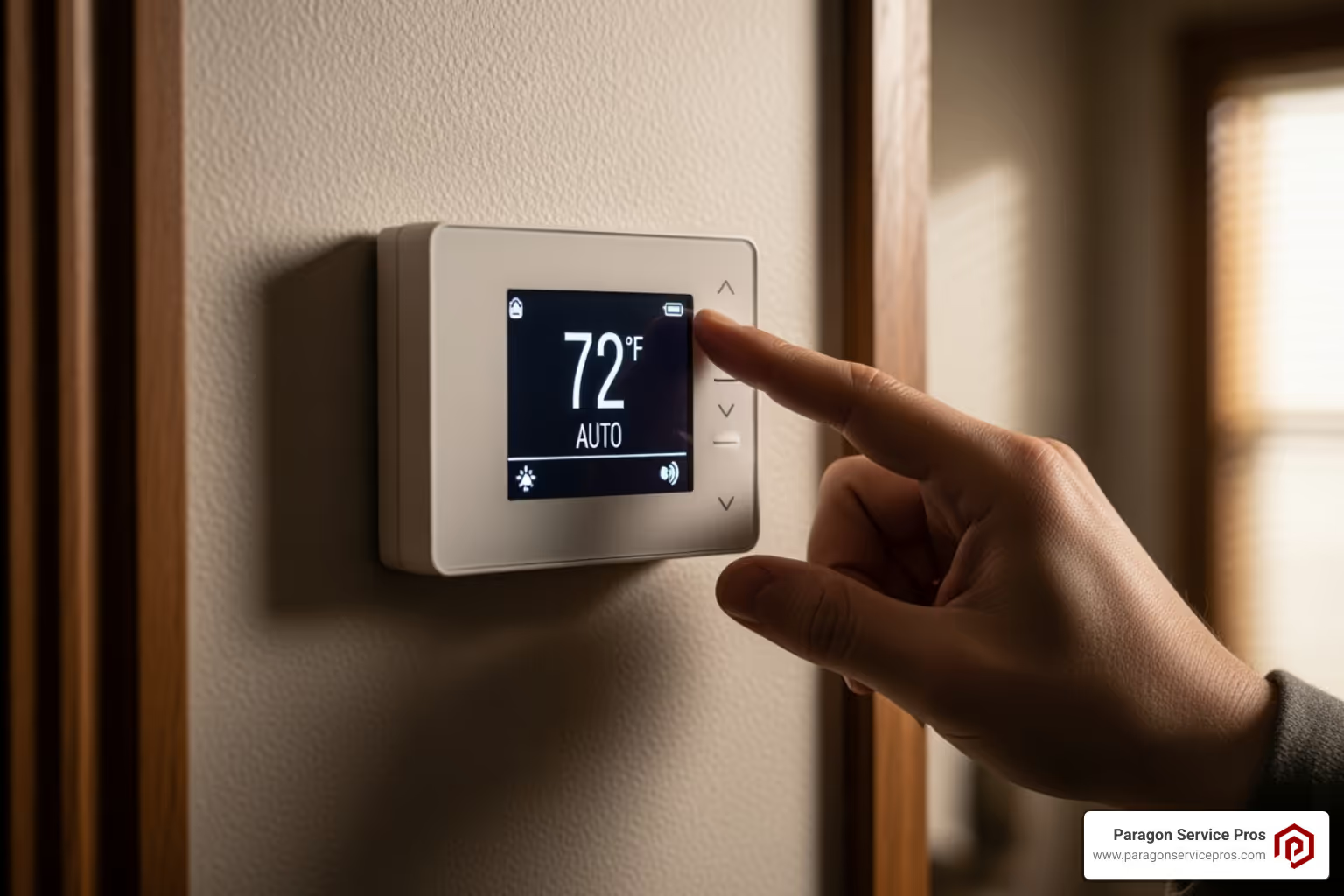
It's surprisingly common for a thermostat to be on the wrong setting. First, ensure it's set to "Cool" and the temperature setting is lower than the current room temperature. If your home is 78°F but the thermostat is set to 80°F, the AC won't turn on.
Next, check that the fan is set to AUTO, not "On." On "Auto," the fan only runs during cooling cycles. If it's set to "On," it will blow air constantly, even when it's not being cooled.
If the screen is blank, try replacing the thermostat batteries. Programmable and smart thermostats require them to function. For smart thermostat errors or connectivity problems, this resource about smart thermostats can help troubleshoot setup issues.
Why a Dirty Air Filter is a Common Culprit for an AC Not Cooling
A dirty air filter is one of the most common reasons for an AC not cooling. When clogged with dust and debris, the filter restricts airflow, forcing your system to work harder for weaker results.
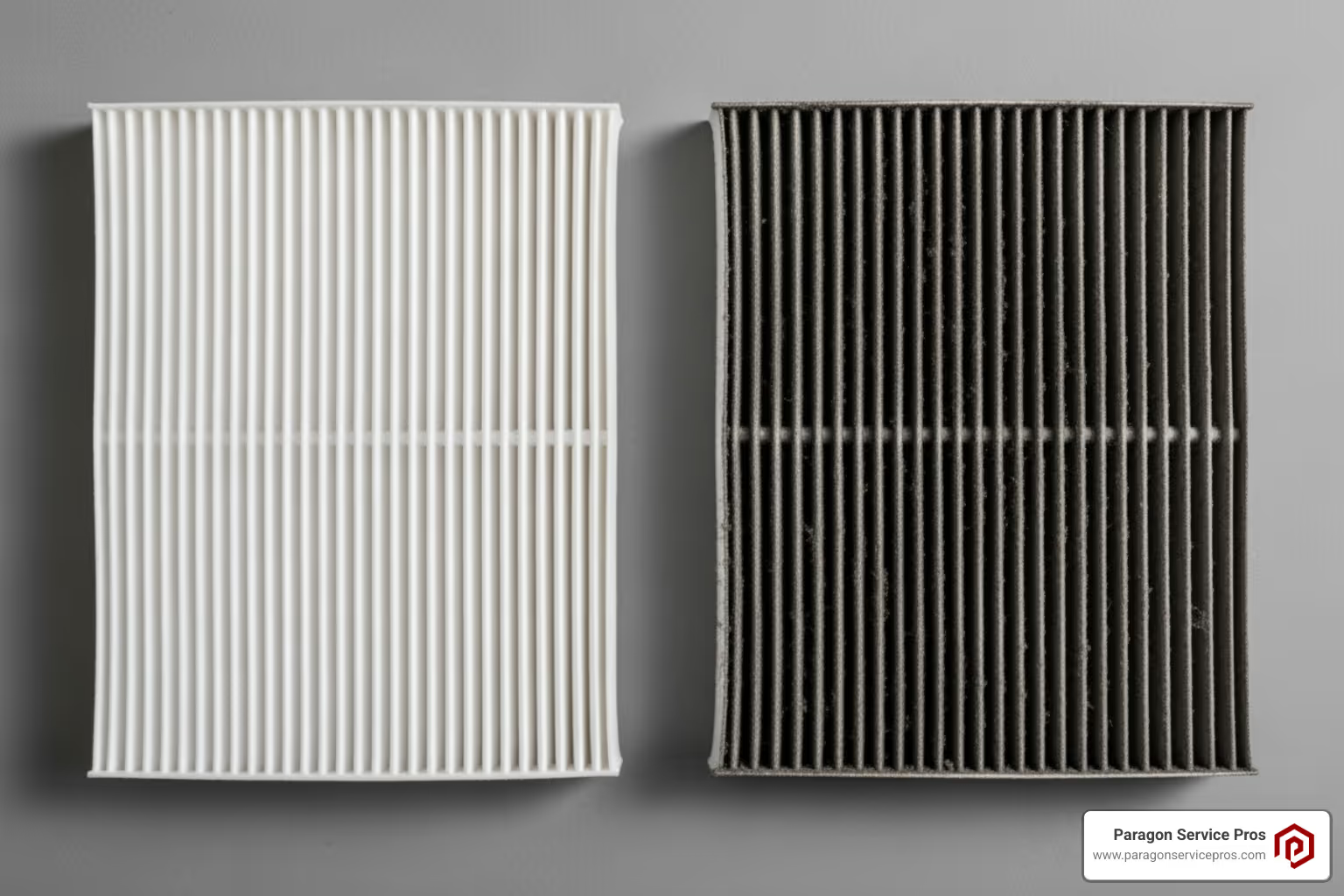
When dust and pet hair build up, airflow gets restricted, reducing cooling power and increasing energy use. How to replace your filter is simple: locate it, slide out the old one, and insert the new one with the arrow pointing toward the unit.
Filter replacement frequency is typically every 1-3 months. However, homes with pets or in dusty areas like Queen Creek or Gilbert may need monthly changes. Check it monthly during peak season to keep your AC running efficiently. For more warning signs, see our guide: Air Conditioner SOS: Warning Signs Your Air Conditioner Needs Repair.
Inspect for Tripped Breakers and Power Issues
Sometimes, the problem is simply a lack of power. Air conditioners draw a lot of electricity, which can trip a breaker.
Check your circuit breaker panel for any switches that are not fully in the "On" position. To reset a breaker, flip it completely to "Off," then firmly back to "On." Also check for blown fuses in older systems and ensure the outdoor unit disconnect switch is on.
Electrical safety is key: if a breaker trips again immediately, do not keep resetting it. This indicates a larger problem that requires professional attention.
Clean the Outdoor Condenser Unit
Debris and blockages around your outdoor condenser unit can severely impact cooling performance.
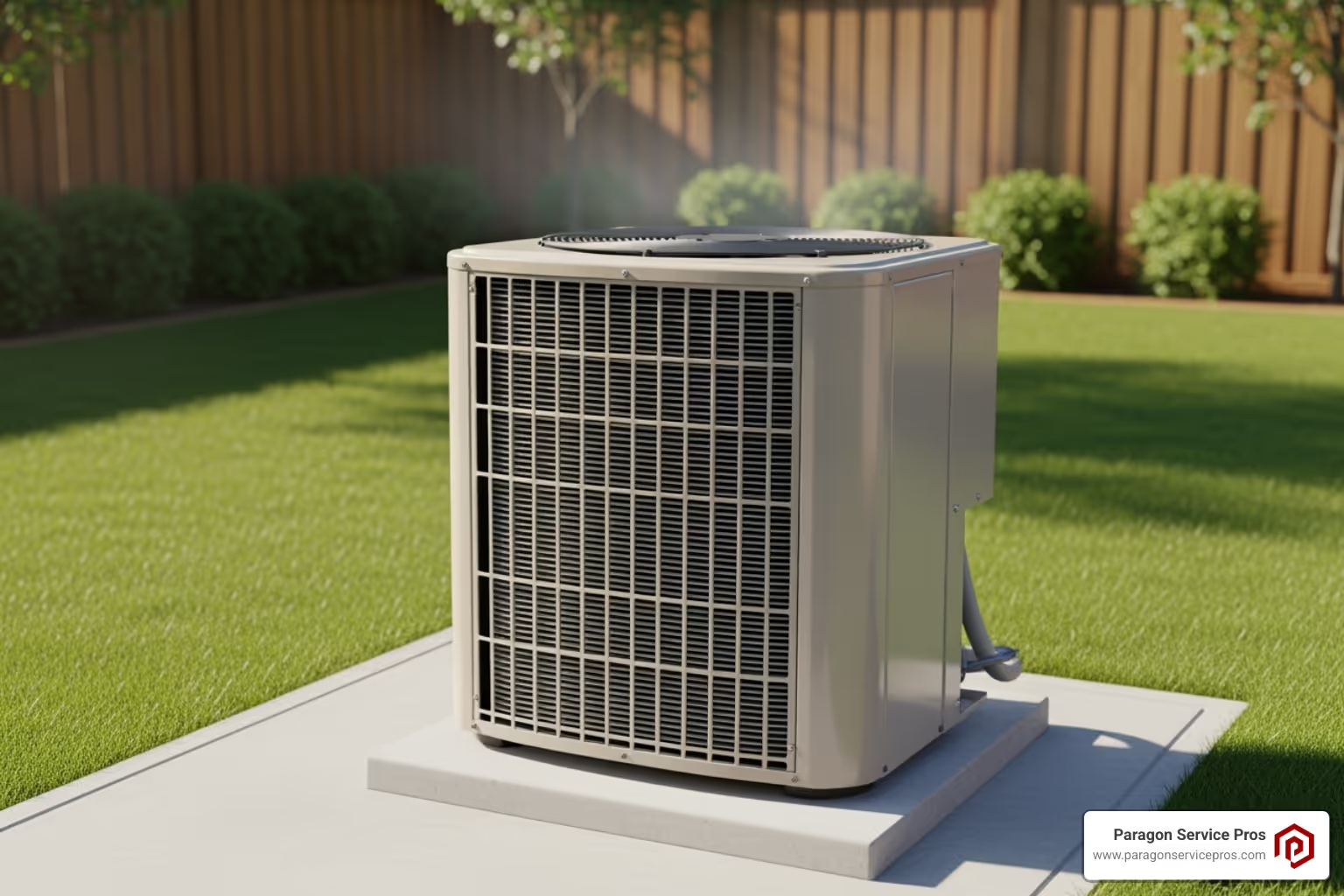
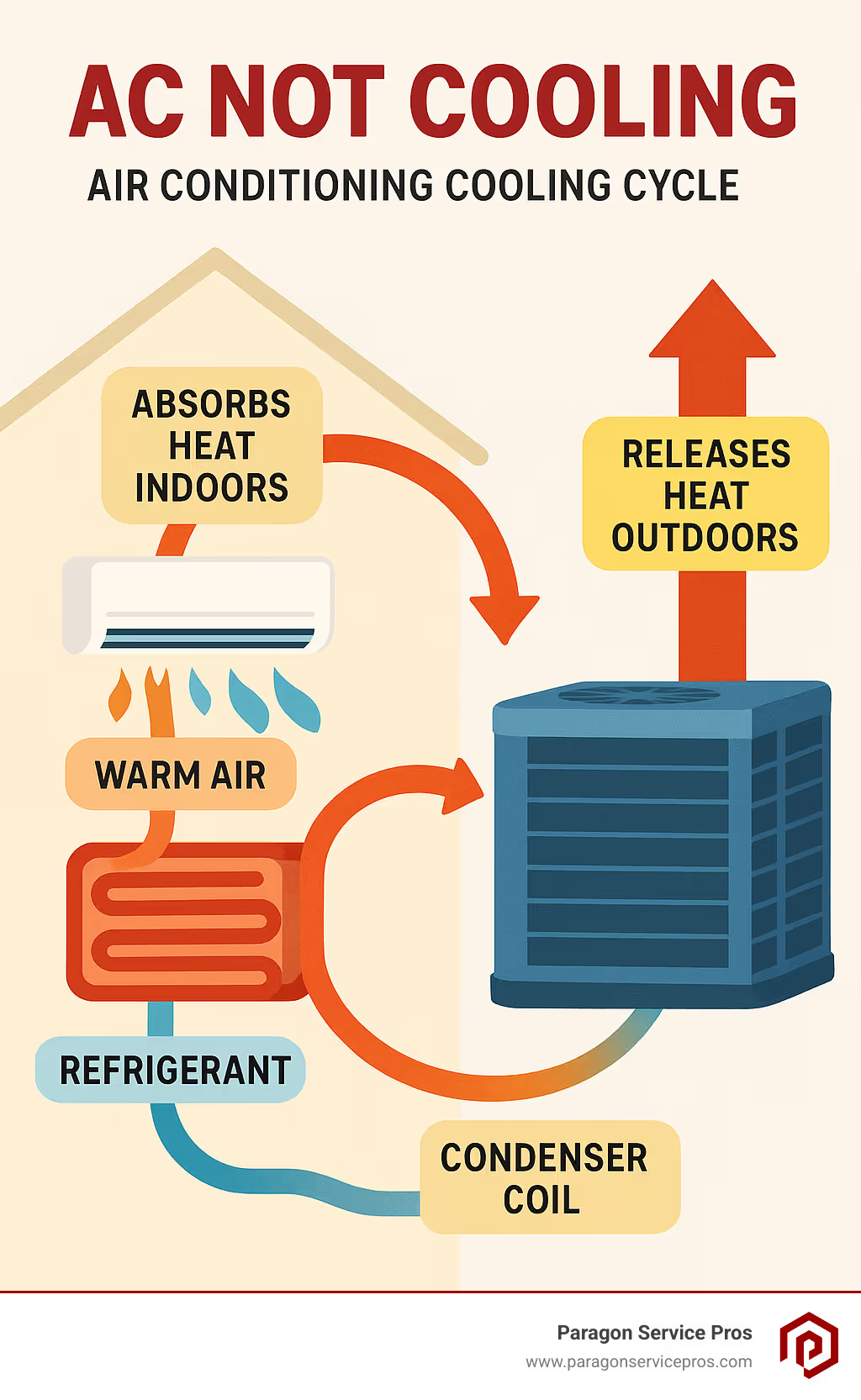
The condenser coils release heat, but when coated in dust and leaves, airflow is blocked. When the outdoor unit can't breathe, your AC not cooling is inevitable.
How to clean coils safely: turn off all power to the unit. Gently rinse the fins with a garden hose from the inside out. Remove large debris by hand, being careful not to bend the delicate fins.
Landscaping clearance is also crucial. Keep at least two feet of clear space around the unit to ensure proper airflow. For more tips, read about Maximizing Energy Efficiency Tips for Your AC Unit.
When Your AC Not Cooling Requires a Professional
While many cooling problems have DIY solutions, issues involving complex mechanical parts, refrigerant, or high-voltage electricity require a professional. Attempting to fix these yourself can be dangerous, void warranties, and turn a moderate repair into a major replacement. If you've tried the simple fixes and your AC not cooling problem persists, it's time to call an expert. Professional technicians have the training and tools to safely diagnose and resolve complex issues. Learn more about our process in How AC Repair Experts Diagnose and Fix Common Air Conditioning Issues.
What to Do About Frozen Evaporator Coils
If you see ice on your indoor AC unit, you have frozen evaporator coils. This blocks airflow and prevents cooling. You might notice warm air from vents, ice on copper lines, or water leaking as the ice melts.
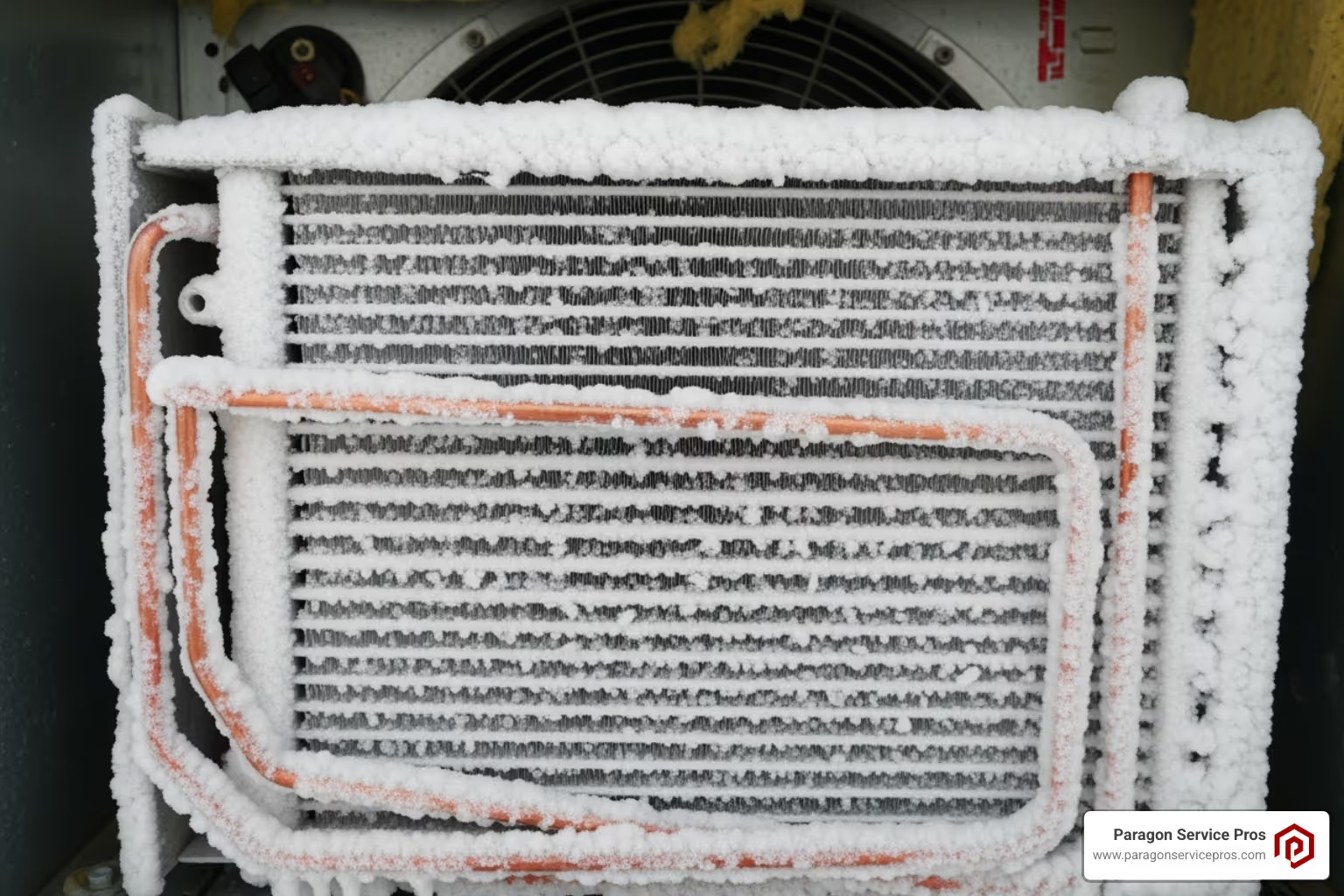
First, turn off your AC system completely to let it thaw, which can take several hours. Running a frozen system can severely damage the compressor. The ice itself is a symptom, not the root cause. Problems like low refrigerant, dirty coils, or a faulty blower motor require professional diagnosis.
Once thawed, you can try replacing the air filter. If it freezes again, call for service immediately to prevent further stress on your system. For help with frozen coils, our team specializes in Air Conditioning Repair.
Understanding Low Refrigerant and Leaks
Refrigerant is essential for cooling, but it doesn't get "used up." It circulates in a closed loop, so if levels are low, you have a leak. Simply adding more refrigerant without fixing the leak won't solve the problem.
Signs of a leak include hissing or bubbling sounds, ice on copper pipes, oily residue near coils, or higher energy bills. Locating and repairing these leaks requires specialized tools and EPA-certified technicians. Handling refrigerant is dangerous and regulated, making this a job for professionals. For expert leak detection and repair, contact our certified technicians for Air Conditioning Repair Service Utah.
Problems with Electrical Components and the Compressor
Faulty electrical components are another common cause of cooling failure and require professional handling due to high voltage.
- The capacitor provides a boost to start the motors. A failed capacitor might cause humming without the unit running.
- The contactor is a switch that powers the outdoor unit. If it fails, the unit may not turn on.
- The compressor is the heart of your system. Signs of failure include loud grinding, rattling, or clicking noises or the system running constantly but producing no cool air.
Compressor replacement is expensive, so proper diagnosis is key. A bad capacitor or contactor can mimic compressor failure but is a much cheaper fix.
Clogged Condensate Drains and Leaky Ductwork
These issues impact efficiency and comfort and often require professional help.
- Clogged condensate drains cause water to back up, leading to leaks near the indoor unit, musty smells, and potential water damage. This can also lead to mold growth, which poses health risks as noted in resources about the dangers of mold growth.
- Leaky ductwork allows cool air to escape into attics or walls, resulting in uneven cooling, weak airflow, and higher utility bills. Professional duct sealing ensures your cool air gets where it's needed, improving comfort and efficiency.
The Importance of Proper Maintenance and Sizing
The best way to prevent your AC not cooling is to be proactive with proper maintenance and ensure your system is the right size for your home. These two factors are the foundation of reliable, efficient cooling. Regular maintenance maximizes energy efficiency, extends your system's lifespan, and catches small issues before they become expensive repairs. Combined with a properly sized unit, it sets you up for years of comfort. Learn more about our services at Air Conditioning Maintenance.
How Regular Tune-Ups Prevent an AC Not Cooling
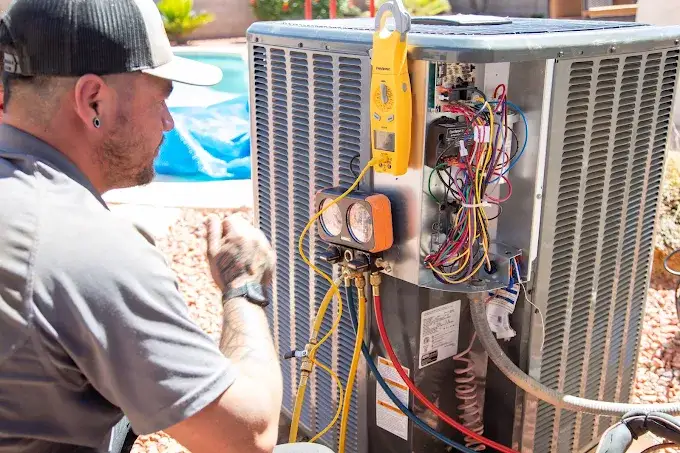
Professional tune-ups are the key to preventing unexpected breakdowns. Our technicians go far beyond DIY checks, inspecting refrigerant levels, electrical connections, and cleaning internal components like the evaporator coil.
Here's what makes professional maintenance so valuable compared to DIY checks:
Task CategoryDIY CheckProfessional Tune-UpFilterCheck/replace dirty air filterInspect filter, advise on MERV ratingThermostatCheck settings, batteriesCalibrate, check wiring, smart thermostat diagnosticsOutdoor UnitClear debris, rinse coilsDeep clean coils, check fan motor, capacitor, contactorIndoor Unit(Limited)Clean evaporator coil, blower wheel, drain lineRefrigerantCheck for ice (sign of low)Measure levels, pressures, check for leaksElectricalReset breakersCheck all wiring, voltage, amperage, component healthOverall SystemListen for unusual noisesPerformance testing, temperature split, safety checks
Regular tune-ups catch problems early, like a weakening capacitor or a minor refrigerant leak, before they cause a full system failure. Many manufacturers also require annual maintenance to keep your warranty valid. We recommend scheduling your tune-up in early spring before the peak cooling season. For more guidance, check out How Often Should You Schedule an AC Tune-Up? Expert Tips and Insights.
The Consequences of an Incorrectly Sized AC Unit
Bigger isn't always better for AC units. An incorrectly sized unit, whether too large or too small, can lead to an AC not cooling effectively.
- A unit that is too small will run constantly, struggling to cool your home. This strains components, leads to premature wear, and increases energy bills.
- A unit that is too large will cool the air too quickly and shut off before it can properly dehumidify. This is called "short-cycling," which is inefficient, stresses the compressor, and leaves your home feeling clammy and humid.
Poor dehumidification is a major comfort issue, especially in humid areas. You might lower the thermostat, but the real problem is excess moisture in the air.
Proper sizing requires a professional load calculation that analyzes your home's square footage, insulation, windows, climate, and more. If your AC runs constantly or short-cycles, it may be improperly sized. In that case, replacement might be a better solution than repair. See our guide on 7 Signs Your Air Conditioner Needs to Be Replaced to help you decide.
Frequently Asked Questions about AC Cooling Issues
Homeowners often ask us why their AC not cooling. Here are answers to the most common questions we hear from residents in areas like Orem, Provo, and South Jordan.
Should I turn my AC off if it's not cooling?
Yes, turn it off immediately. Running an AC not cooling properly can cause more damage. It puts tremendous strain on the compressor, which can turn a simple repair into an expensive replacement. Continuing to run the unit can also cause the evaporator coils to freeze, complicating the repair.
Essentially, you are wasting money on energy bills for zero comfort while risking severe damage to your system. It's best to turn it off and call for a professional inspection.
How do I know if my AC needs more refrigerant?
Your AC doesn't "use up" refrigerant; it circulates in a closed loop. If refrigerant is low, it means there is a leak. This is a problem that needs to be repaired, not just refilled.
Signs of a leak include:
- Hissing or bubbling sounds from the unit.
- Ice forming on the copper lines or evaporator coil.
- Your AC not cooling effectively or taking longer to cool.
- Suddenly higher energy bills.
Never let someone just "top off" the refrigerant without finding and fixing the leak. A certified technician must locate the leak, repair it, and then recharge the system to precise specifications.
Why is my AC running but the house isn't getting colder?
This frustrating problem can have several causes. First, perform the simple checks: ensure the air filter is clean, the thermostat is set to "Cool" and a low temperature, and the outdoor condenser unit isn't blocked by debris.
If those checks don't solve the issue, you're likely facing a more complex problem, such as:
- Frozen evaporator coils blocking airflow.
- A refrigerant leak preventing the system from cooling.
- A faulty compressor or other electrical component failure.
After trying the simple fixes, call a professional to diagnose the root cause and restore your comfort.
Don't Lose Your Cool—Get Expert Help Today
When your AC not cooling, you now know how to tackle simple fixes like checking the thermostat, replacing the air filter, or resetting a breaker. These steps can often restore your cool air without a service call.
You also know when to call the professionals. Issues like frozen coils, refrigerant leaks, or faulty electrical components require expert tools and training. Attempting these repairs yourself can be dangerous and lead to more expensive damage. The key is knowing the difference between a simple DIY task and a complex problem that needs a professional for your safety and your system's health.
At Paragon Service Pros, we deliver unparalleled service, quality workmanship, and complete transparency. We know that when your AC not cooling, you need help fast. That's why we offer same-day and emergency appointments across Arizona and Utah.
Whether you're in Chandler or Salt Lake City, our certified technicians can accurately diagnose the problem and provide a lasting solution. Don't suffer through the heat. For reliable and fast HVAC repair in American Fork, or anywhere in our service areas, contact us today. We'll get your cool air flowing again so you can get back to your comfortable home.

Customer Testimonials
Our customers consistently praise our fast response times, honest communication, and the dependable results they can feel in their home.
.svg)