
Dander Disaster? Expert Tips for a Fur-Free Home
Dander disaster? Get expert tips for effective pet dander removal. Clean, purify air, and groom pets for a healthier home.

Why Pet Dander Removal is Critical for Your Home's Health
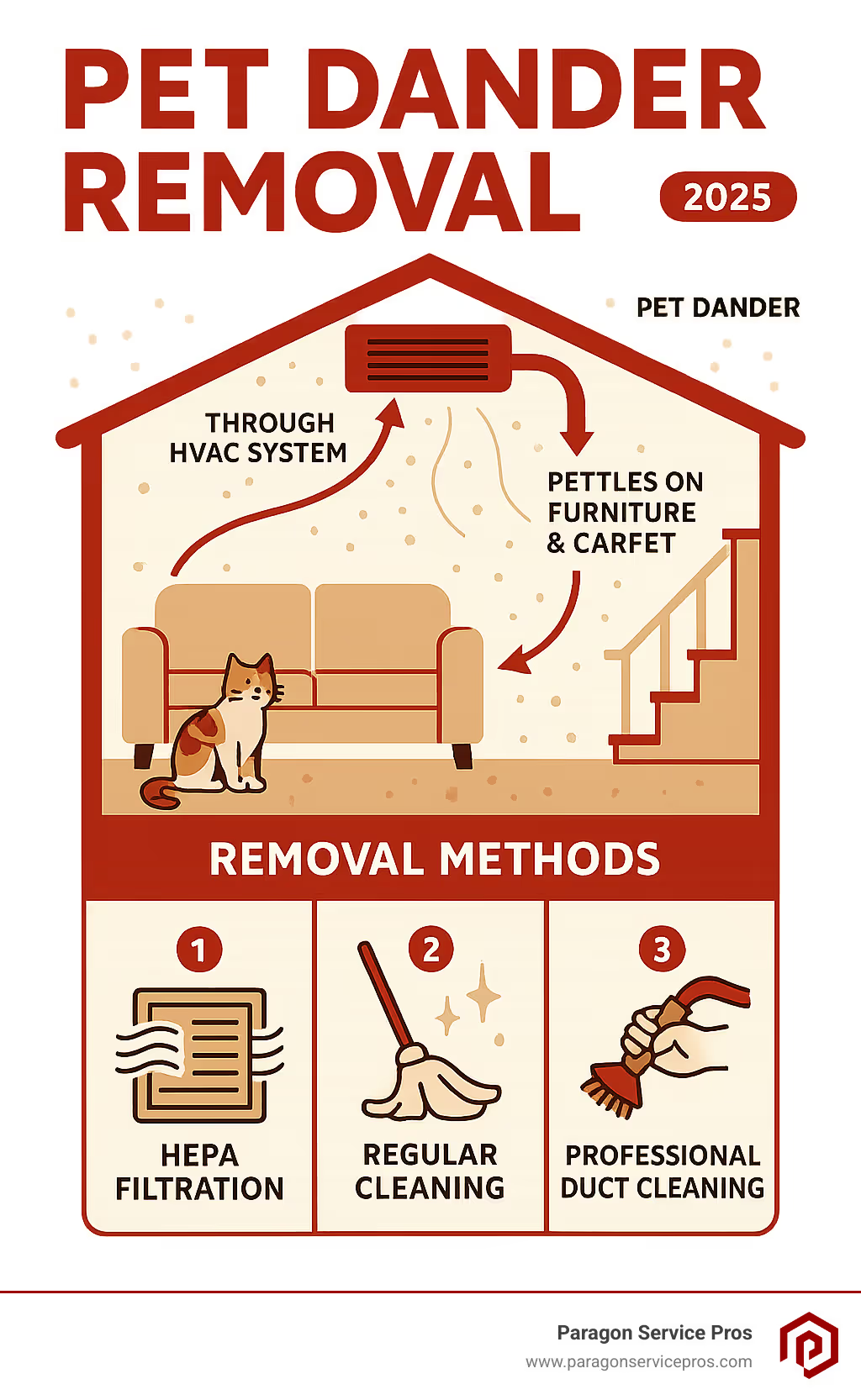
Pet dander removal is essential for maintaining clean indoor air and reducing allergy symptoms in your home. Pet dander consists of microscopic skin flakes shed by animals with fur or feathers, along with proteins found in their saliva and urine that can trigger allergic reactions.
Quick Pet Dander Removal Solutions:
- Clean regularly - Dust with damp cloths and vacuum with HEPA filters
- Upgrade your air filtration - Use HEPA filters in HVAC systems and air purifiers
- Groom pets frequently - Bathe weekly and brush outdoors
- Create pet-free zones - Keep bedrooms off-limits to pets
- Professional duct cleaning - Remove accumulated dander from HVAC systems
Pet dander is particularly problematic because it's incredibly small and lightweight - these microscopic particles can remain airborne for hours and cling to surfaces for months. According to research, dander can stay on furniture for up to six months even after a pet is removed from the home.
The health impact is significant. Up to 30% of people experience allergic reactions to cats and dogs, with symptoms ranging from itchy eyes and sneezing to more serious asthma complications. Indoor air can be up to five times more polluted than outdoor air, and pet dander is often a major contributor.
Your HVAC system plays a crucial role in either spreading dander throughout your home or helping remove it. Without proper filtration and maintenance, your heating and cooling system can circulate these allergens to every room, making the problem worse instead of better.
1. Master Your Cleaning Routine
Let's be honest – our beloved pets bring endless joy to our homes, along with a steady supply of microscopic skin flakes that seem to find their way everywhere. But here's the good news: pet dander removal doesn't have to feel like an impossible mission. The real game-changer? Building a cleaning routine that's both consistent and smart.
Think of regular cleaning as your first line of defense against pet allergens. Dander has this sneaky ability to stick to virtually every surface in your home – from your favorite armchair to that picture frame you never dust. When left alone, these particles build up and create an invisible cloud of allergens that can make life miserable for anyone with sensitivities.
The beauty of a good cleaning routine isn't just about keeping up appearances. Decluttering your space makes a huge difference because it eliminates all those extra surfaces where dander loves to hide. Fewer knick-knacks mean fewer places for allergens to accumulate, and that makes your cleaning efforts way more effective.
Deep Cleaning Surfaces for Pet Dander Removal
When we talk about deep cleaning for pet dander removal, we're playing to win – not just moving dust around from one spot to another.
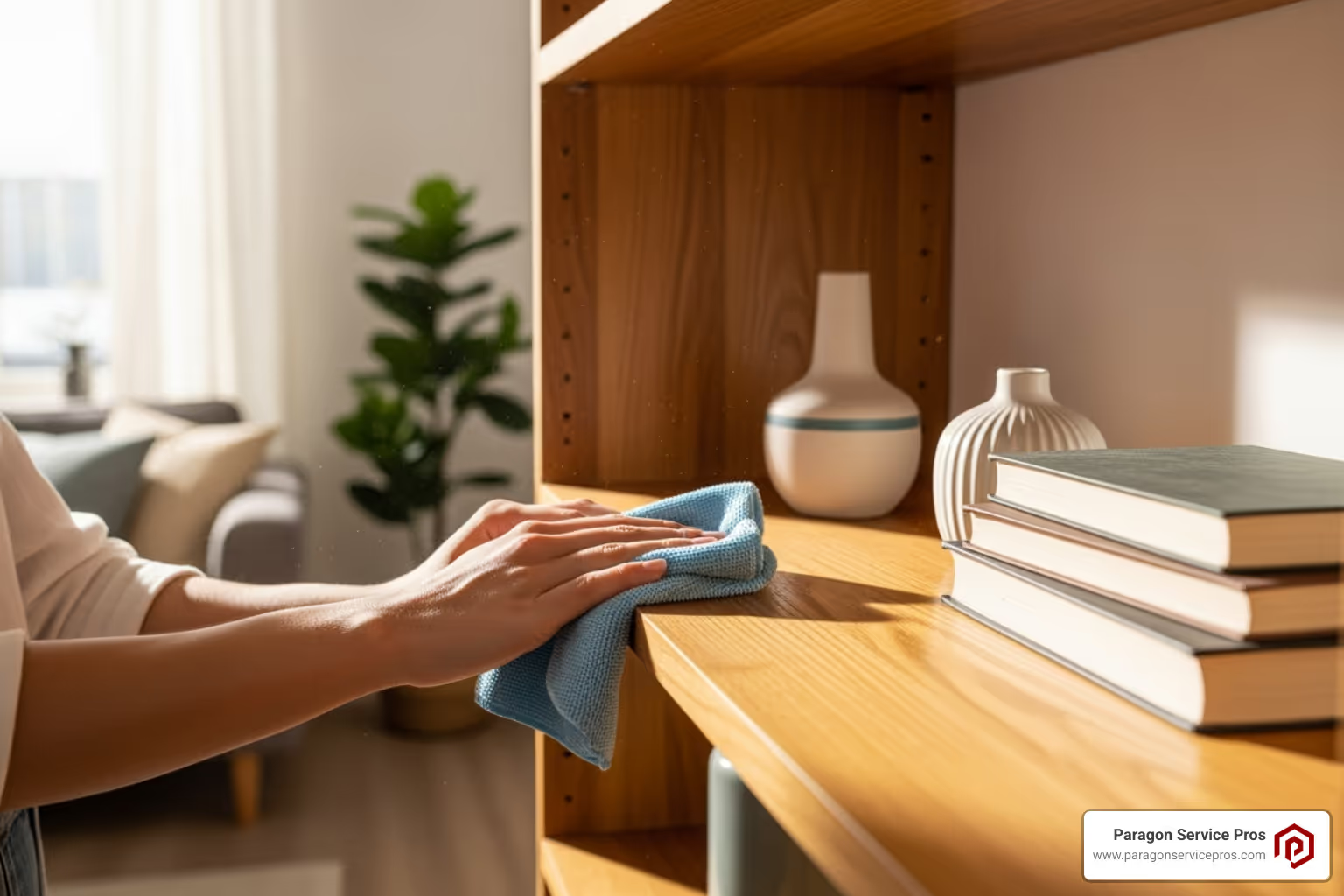
Damp dusting is absolutely your best friend in this battle. Forget those feather dusters that just send dander particles dancing through the air like confetti. Instead, grab a damp microfiber cloth and tackle all your hard surfaces. This method actually traps those tiny particles instead of launching them into orbit. Don't just hit the obvious spots like tables and countertops – dander clings to walls, baseboards, and even light fixtures.
Your vacuuming technique matters more than you might think. Slow, deliberate passes with overlapping strokes give your vacuum the best chance to capture embedded dander. Rush through it, and you'll miss half the allergens hiding in your carpet fibers. Make sure to get under furniture where dander accumulates like dust bunnies on steroids.
Washing fabrics regularly becomes crucial when you're dealing with pet allergens. Dander embeds itself deep into fabric fibers, so your pet's bedding, your throw blankets, and even curtains need frequent trips to the washing machine. Hot water at 130°F or higher is your secret weapon here – it's what actually breaks down and removes those stubborn allergen proteins.
Steam cleaning takes things to the next level for carpets and upholstered furniture that can't take a spin in your washing machine. The high-temperature steam penetrates deep into fibers, loosening and lifting embedded dander that regular vacuuming might miss. Plan on steam cleaning carpets every few months, especially in areas where your pets spend most of their time.
Here's something worth considering: hardwood floors beat carpet hands down when it comes to allergen control. Dander sticks to carpet fibers like glue, creating permanent allergen reservoirs in your home. Hard surfaces can be swept, vacuumed, and mopped clean without giving dander anywhere to hide. If replacing wall-to-wall carpeting isn't in the cards, steam cleaning becomes even more important.
Upgrade Your Vacuum Game
Not all vacuums are created equal, especially when you're dealing with microscopic pet dander. Your vacuum choice can make or break your allergen control efforts.
HEPA filter vacuums are non-negotiable if you're serious about dander removal. These filters capture 99.97% of particles down to 0.3 microns – which covers pet dander perfectly. Without HEPA filtration, you're basically just moving allergens from your carpet to your air.
But here's what many people don't realize: even with a HEPA filter, you need a sealed system vacuum. If your vacuum has gaps or leaks in its body, those tiny dander particles will escape right back into your air. Look for vacuums that guarantee all air passes through the filter before exiting.
The bagless versus bagged debate gets interesting with pet dander. Bagless models are convenient, but emptying that dustbin can create a mini allergen explosion. If you go bagless, take it outside before emptying. Bagged vacuums contain allergens more effectively, but you still need to be careful when disposing of full bags.
Frequency matters more than intensity when it comes to vacuuming for allergen control. Most pet-owning households need to vacuum carpets and upholstery at least twice weekly. If allergies are severe or your pet sheds heavily, daily vacuuming in high-traffic areas might be necessary.
When it comes to emptying your vacuum, always do it outdoors if possible. This simple step prevents you from releasing all those captured allergens right back into your living space – especially important with bagless models.
2. Improve Your Home's Air Quality for Effective Pet Dander Removal
We've tackled surfaces, but what about the invisible battle happening in the air around you? Here's the thing about pet dander – it's so lightweight that it can float around your home like tiny, unwelcome party guests that refuse to leave. These microscopic particles can stay airborne for hours, sometimes even days, before finally settling down.
Think of your HVAC system as your home's respiratory system. When it's working properly, it's like having a pair of healthy lungs that filter and circulate clean air throughout every room. But without proper care and the right filters, it can actually become part of the problem, spreading dander from room to room like an overzealous mail carrier delivering allergens to every corner of your house.
The key to winning this airborne battle is understanding how pet dander removal extends beyond just cleaning surfaces – it's about creating a comprehensive air quality strategy that works 24/7.
The Power of HEPA Filtration
Remember those HEPA filters we raved about for vacuums? They're absolute game-changers for air purification too, but here's where it gets interesting – not all HEPA applications are created equal.
A true HEPA filter is like having a microscopic bouncer at the door of your home's air system. It captures 99.97% of particles that are 0.3 microns in size. Why 0.3 microns specifically? Because particles this size are actually the trickiest to catch – they're small enough to slip through some filters but large enough to cause problems. Pet dander, along with its troublemaking friends like pollen and dust mites, falls right into this size range.
Now, here's where many homeowners get tripped up. While true HEPA filters are fantastic for portable air purifiers, they can actually be too restrictive for your home's central HVAC system. Installing a full HEPA filter directly into your HVAC unit is like trying to breathe through a really thick blanket – it can restrict airflow so much that it strains your system and potentially causes expensive damage.
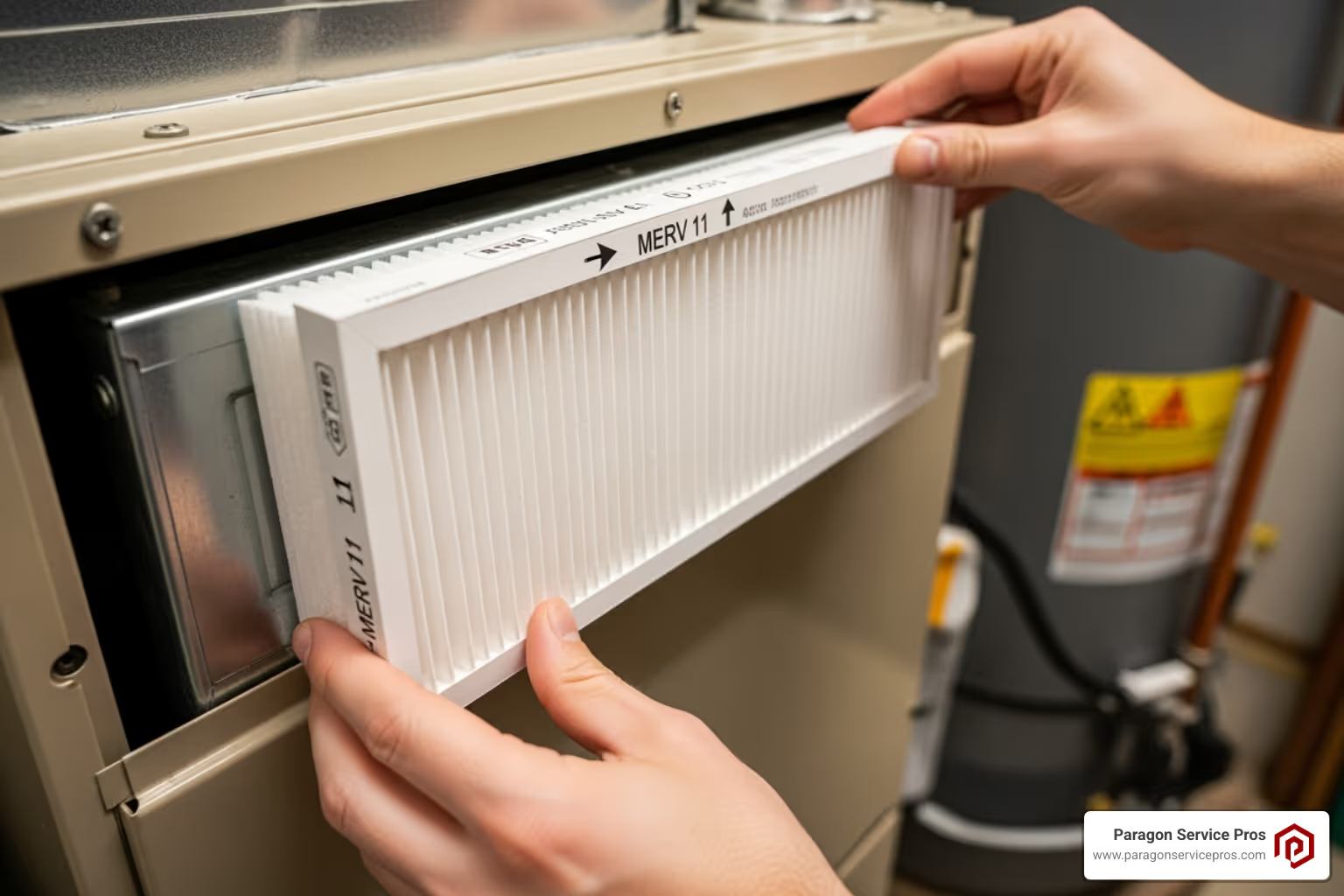
Instead, we recommend looking for HVAC filters with a MERV rating between 10 and 13. MERV stands for Minimum Efficiency Reporting Value, and these filters offer the sweet spot between effective filtration and proper airflow. A MERV 10-13 filter can capture 95-98% of airborne particles, which is pretty impressive without putting your HVAC system through unnecessary stress.
We often talk about the 15 Benefits of Regularly Replacing Your HVAC Filters, and reducing pet dander is definitely a big one. For more detailed guidance on keeping your entire AC system running smoothly, check out our comprehensive guide on AC Maintenance.
Improve Air Quality with Your HVAC System
Your HVAC system has incredible potential as a pet dander removal powerhouse, but only if you treat it right. Think of it as a partnership – you take care of it, and it takes care of your air quality.
Upgrading your HVAC filters is often the simplest yet most impactful change you can make. If you're currently using one of those basic, see-through filters that cost a couple of dollars, it's time for an upgrade. Moving up to a MERV 10-13 filter can dramatically improve your home's ability to capture airborne pet dander. Just make sure the filter fits snugly in its housing – gaps around the edges are like leaving the front door open while trying to air condition your house.
Regular filter replacement becomes even more critical when you have pets. A dirty filter isn't just less effective at capturing pollutants; it can actually increase the circulation of debris throughout your home. For pet owners, we recommend changing HVAC filters at least every 60 days. If you have multiple pets or someone in your household has severe allergies, monthly changes might be necessary.
System maintenance goes hand-in-hand with filter changes. A well-maintained HVAC system runs more efficiently, which means it's better at circulating and filtering your indoor air. When components are clean and functioning properly, your system can effectively manage airborne allergens instead of struggling just to keep up with basic heating and cooling.
Optimizing air circulation is about more than just filtration – it's about keeping air moving so dander doesn't have a chance to settle and accumulate. Running your system's fan regularly, even when you're not actively heating or cooling, can help maintain better air quality throughout your home.
If you're looking for expert guidance on maximizing your HVAC system's efficiency and air quality performance, don't hesitate to Contact Paragon Service Pros for HVAC solutions. We understand how important clean air is for your family's comfort and health.
Clear the Air with Professional Duct Cleaning
Here's the part that many pet owners don't think about – what's lurking inside your air ducts. It's like having a secret stash of allergens hidden in the walls of your home.
Pet dander loves to take up residence in your ductwork. Because it's so incredibly lightweight and microscopic, it gets easily drawn into your HVAC system's return air vents every time the system runs. Once inside, it doesn't just pass through – it settles and accumulates in the nooks and crannies of your ductwork, creating a hidden reservoir of allergens.
Every time your heating or cooling system kicks on, this accumulated dander can get blasted out of your supply vents and distributed throughout your home. It's like having a dander delivery service operating behind your walls, undoing all your careful cleaning efforts with every heating and cooling cycle.
Professional duct cleaning services address this hidden problem at its source. While regular filter changes help prevent new accumulation, they can't remove the dander that's already settled deep within your ductwork. Our NADCA-certified professionals use specialized equipment to thoroughly clean your entire duct system, removing years of accumulated dust, debris, and pet dander.
This isn't just a surface cleaning – it's a comprehensive pet dander removal process that tackles the problem where you can't reach. For detailed information about how we approach this important service, visit our Duct Cleaning page.
The health benefits of professional duct cleaning are significant, especially for allergy sufferers. By removing trapped dander from your ductwork, we reduce the amount of allergens recirculating in your home. This leads to improved indoor air quality, fewer allergy symptoms, and a generally healthier living environment for everyone in your household.
3. Implement Long-Term Dander Management Strategies
Beyond cleaning and air filtration, proactive measures in how we care for our pets and manage our home environment are essential for long-term pet dander removal. Consistency is the name of the game here.

Groom Your Pet to Minimize Dander
This might seem obvious, but proper pet grooming is a frontline defense against dander accumulation.
- Regular Bathing: We know, some pets aren't huge fans of bath time. But a weekly bath can significantly reduce the amount of dander in your pet's fur – by up to 84%, according to some studies! Use a pet-safe, hypoallergenic shampoo to avoid skin irritation for your furry friend. If you have severe allergies, consider having a non-allergic family member or a professional groomer handle bath time.
- Brushing Outdoors: Brushing your pet regularly is crucial, as it removes loose fur and dander before it can spread throughout your home. The key is to do it outdoors. This way, the dander and shedding hair are released into the environment, not into your living room. For long-haired animals, daily brushing might be necessary, while others can manage with weekly brushing.
- Pet-Safe Shampoos: There are many shampoos specifically designed to help reduce shedding and dander. Look for those labeled as "hypoallergenic" or "dander-reducing." Some pet owners even find success with mild baby shampoos or dish soap (though always consult your vet first!).
- Professional Grooming: If home grooming is challenging due to allergies or simply a very uncooperative pet, professional groomers are a fantastic resource. They have the tools and expertise to effectively remove loose fur and dander, and they can handle the mess outside your home.
Create "Pet-Free" Zones
We know, it's tough to deny those puppy-dog eyes or a purring cat wanting to snuggle on your bed. But for allergy sufferers, creating pet-free zones is a highly effective long-term strategy for pet dander removal.
- The Allergy-Sufferer's Bedroom: This is the most crucial pet-free zone. We spend a significant portion of our lives in our bedrooms, and minimizing allergen exposure here can drastically improve sleep quality and reduce nighttime and morning allergy symptoms. Keep your bedroom door closed, and ensure your pet doesn't sneak in.
- Allergen-Proof Covers: For mattresses, pillows, and even upholstered furniture (if you can't replace it), use allergen-proof covers. These zippered covers create a barrier that prevents dander from accumulating in the bedding and upholstery, making it easier to clean the surface.
- Restricting Pet Access: Beyond the bedroom, consider restricting pets from other areas where dander accumulation can be problematic, such as home offices or certain living spaces if allergies are severe. Consistency is key here – once you establish a boundary, stick to it.
- Consider Furnishings: As we discussed earlier, replacing wall-to-wall carpeting with hard flooring in pet-free zones (or throughout your home) can significantly reduce allergen traps. Similarly, opt for leather or vinyl furniture over upholstered pieces, as they are much easier to wipe clean of dander.
Frequently Asked Questions about Pet Dander Allergies
Living with pets while managing allergies can feel overwhelming, and we completely understand the concerns you might have. Let's address some of the most common questions we hear from pet owners and allergy sufferers who are working toward effective pet dander removal.
What are the symptoms of a pet dander allergy?
When your immune system decides that harmless pet proteins are actually dangerous invaders, it launches an all-out defense that creates those uncomfortable allergy symptoms. The tricky part? These symptoms often feel just like a stubborn cold that never quite goes away.
Respiratory symptoms are usually the first clue something's up. You might find yourself dealing with persistent sneezing, a runny or stuffy nose, and that annoying tickle in your throat that makes you cough. For folks with asthma, pet dander can be particularly troublesome, triggering wheezing, chest tightness, and difficulty breathing that goes beyond typical allergy discomfort.
Your eyes often bear the brunt of pet allergen exposure too. Itchy, red, watery eyes are telltale signs that dander might be the culprit behind your discomfort. Some people also experience skin reactions like rashes, hives, or itchy red patches, especially after direct contact with pets or areas where dander has settled.
Don't underestimate the fatigue factor either. When you're constantly congested and your sleep is disrupted by coughing or breathing difficulties, exhaustion becomes a real problem. These symptoms can show up within 30 minutes for severe allergies, but they might take hours or even days to appear for milder reactions.
For a comprehensive look at these symptoms, the Mayo Clinic's explanation of allergy symptoms offers detailed medical insights that can help you identify what you're experiencing.
Are "hypoallergenic" pets a real solution?
Here's where we have to deliver some disappointing news: there's no such thing as a truly hypoallergenic furry pet. We know this isn't what you want to hear, especially if you've been eyeing that adorable poodle or been told that certain breeds won't trigger your allergies.
The reality is that any animal with skin produces dander - those microscopic skin flakesHot water at 130°F or higher that cause all the trouble. Even breeds that shed less hair still produce the proteins found in saliva and urine that trigger allergic reactions. These allergens are incredibly sticky and cling to whatever hair the pet does have, then spread throughout your home.
Reduced shedding doesn't equal no allergens. While some breeds might shed less fur and therefore distribute fewer allergens around your home, they're still producing dander, saliva, and urine proteins. Even hairless breeds aren't off the hook - they still shed skin cells and produce saliva.
Research, including studies on hypoallergenic pets, consistently shows that allergen levels don't differ significantly between so-called hypoallergenic breeds and regular ones. The proteins that cause allergic reactions are also remarkably persistent, maintaining their potency for months even after a pet leaves the home.
When should I see a doctor for my allergies?
Sometimes home remedies and pet dander removal strategies aren't enough, and that's perfectly normal. Knowing when to seek professional help can make a huge difference in your quality of life.
Persistent symptoms that stick around despite your best cleaning efforts and over-the-counter medications deserve medical attention. If antihistamines, nasal sprays, or eye drops aren't providing the relief you need, it's time to talk to a healthcare professional who can offer stronger treatment options.
Severe reactions should never be ignored, especially if you're experiencing difficulty breathing, frequent wheezing, or asthma attacks after pet exposure. Pet allergies can be a significant asthma trigger, and the connection isn't always obvious at first.
An allergist can also help if you're uncertain about what's actually triggering your symptoms. Through skin prick tests or blood work, they can confirm whether pet dander is the main culprit or if other allergens like dust mites or pollen are contributing to your misery. This testing helps create a targeted treatment plan that might include prescription medications or immunotherapy.
Don't suffer in silence - medical professionals can provide personalized strategies for managing your allergies while still enjoying the companionship of pets, making your pet dander removal efforts even more effective.
Breathe Easy in Your Dander-Free Home
You've done the hard work – you've learned about the tiny troublemakers called pet dander, mastered your cleaning routine, upgraded your air filtration game, and implemented smart long-term strategies. Now it's time to step back and appreciate what you've accomplished. Creating a home where both your beloved pets and allergy-sensitive family members can coexist comfortably isn't just a dream – it's totally achievable with the right approach.
The journey to effective pet dander removal really comes down to three key pillars. First, your cleaning routine becomes your daily defense system. When you're consistently dusting with damp cloths, vacuuming with HEPA filters, and washing fabrics in hot water, you're actively removing dander before it can build up and cause problems. Second, your home's air filtration system works around the clock to capture airborne particles. Whether it's upgrading your HVAC filters to MERV 10-13 or investing in professional duct cleaning, you're tackling allergens at their source. Finally, your pet grooming habits and pet-free zones create long-term success by reducing dander production and protecting sensitive spaces.
Your HVAC system is truly the unsung hero in this whole process. It's not just about heating and cooling your home – it's about creating a healthier environment for everyone. When your system is properly maintained with the right filters and clean ductwork, it becomes a powerful ally in your fight against allergens. That's where we come in.
At Paragon Service Pros, we've helped countless Arizona and Utah families transform their indoor air quality. We understand that dealing with pet allergies while wanting to keep your furry family members can feel overwhelming. But here's the thing – you don't have to choose between your pets and your comfort. With the right HVAC maintenance and air quality solutions, you can have both.
Whether you need help selecting the perfect filter for your system, scheduling regular maintenance to keep everything running smoothly, or getting those air ducts professionally cleaned to remove years of accumulated dander, we're here for you. We believe everyone deserves to breathe easy in their own home, and we're committed to making that happen.
Ready to take the final step toward a truly comfortable, dander-managed home? Don't let another day go by feeling stuffy or dealing with allergy symptoms. Contact us for HVAC Repair in Chandler or anywhere in our Arizona and Utah service areas. Let's work together to create the clean, healthy indoor environment you and your pets deserve!
Keep reading: Indoor Air Quality
Browse every article in Indoor Air Quality or head back to the Learning Center .
Comfort you can count on, all year long.
Same-day service, honest diagnostics, and 24/7 emergency help with no overtime fees. A real Greater Phoenix team is standing by.