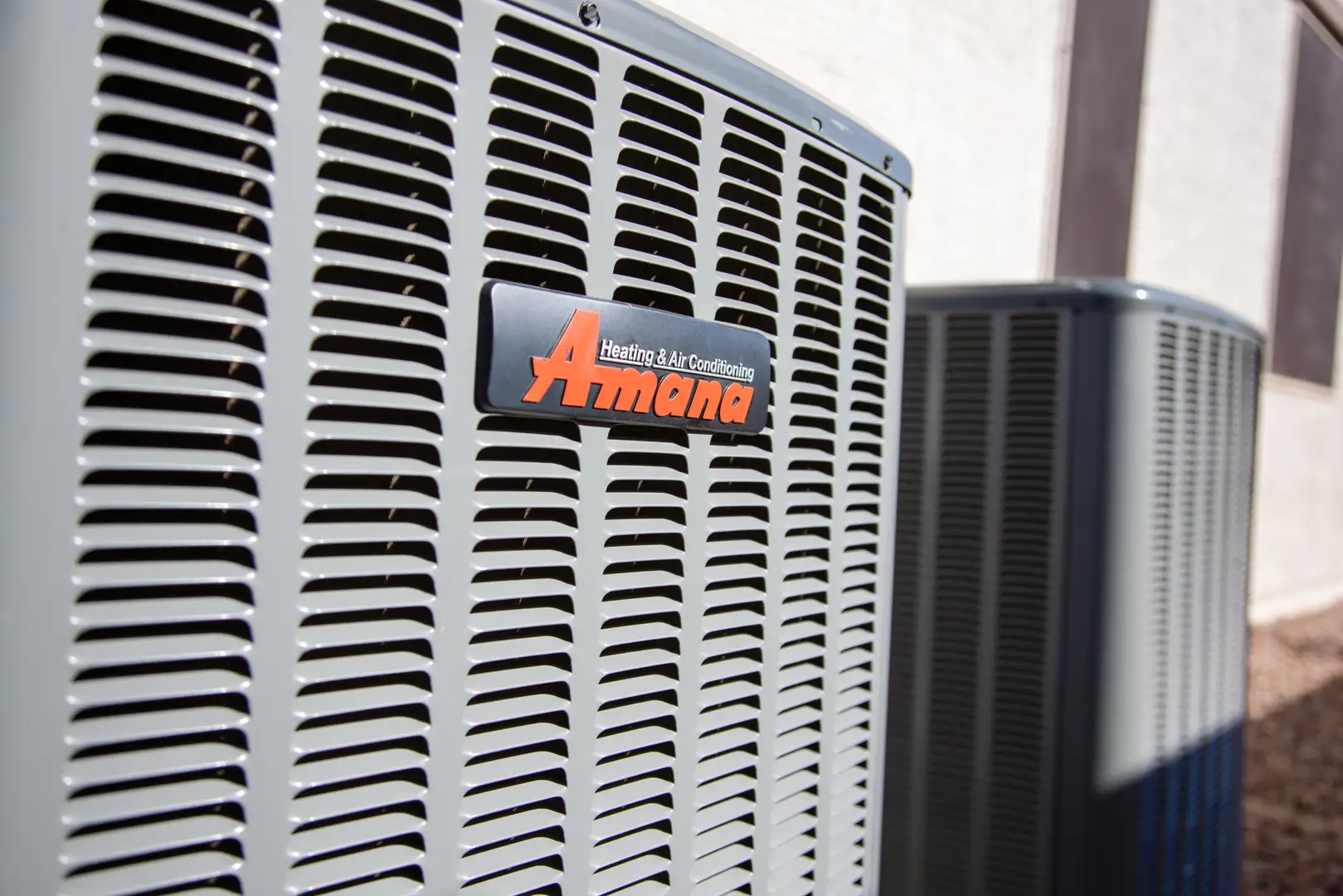


The Ultimate Guide to New Home Heating Installation
Considering a heating system upgrade? Explore options, costs, and savings for a comfortable, efficient home. Get expert tips & incentives!


Why Your Home Needs a Modern Heating System Upgrade
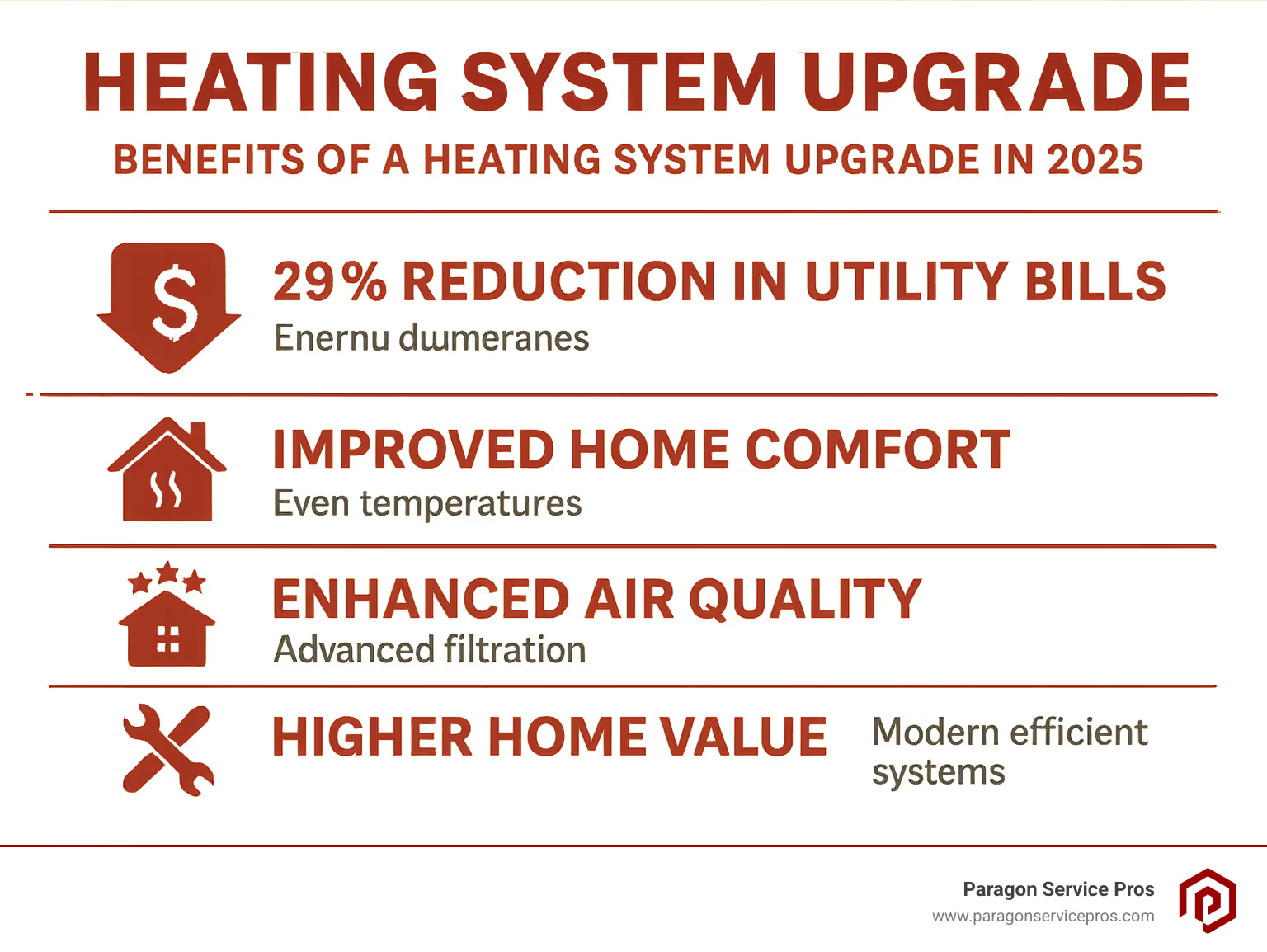
A heating system upgrade can transform your home's comfort, slash energy bills, and eliminate the frustration of constant repairs. If your system is over 15 years old, heats unevenly, or drives up utility costs, upgrading to a modern, high-efficiency system offers significant benefits.
Key Benefits of a Heating System Upgrade:
- Energy Savings: Reduce heating costs by up to 30%.
- Improved Comfort: Enjoy even heating and better temperature control.
- Reliability: Experience fewer breakdowns and emergency repairs.
- Improved Air Quality: Reduce dust and allergens with advanced filtration.
- Increased Home Value: Boost property value with an energy-efficient system.
Heating accounts for about 29% of the average utility bill, making it the largest energy expense in most homes. Modern high-efficiency furnaces and heat pumps can achieve 90% or higher efficiency ratings, meaning more of your money goes toward heating your home instead of being wasted. Today's technology provides more options than ever, from gas furnaces to versatile heat pumps, allowing you to find a system perfectly matched to your needs.
Is It Time for a Heating System Upgrade?
Knowing when it's time for a heating system upgrade can save you from a cold-weather emergency and prevent you from wasting money on an aging system. Watch for these common warning signs:
- System Age: Most furnaces last 15-20 years, while heat pumps last 10-15 years. If your system is approaching these milestones, it's time to start planning for a replacement.
- Frequent Repairs: Are you calling for repairs more often? When repair bills start adding up, investing in a new, reliable system is often more cost-effective than continuing to patch up an old one.
- Rising Energy Bills: If your heating costs are climbing without a change in your habits, your system is likely losing efficiency. An old furnace might operate at 60% efficiency or less, wasting significant energy.
- Uneven Heating: Cold spots and hot spots throughout your home are a clear sign that your system can no longer distribute heat effectively, leaving you uncomfortable.
- Strange Noises: Banging, squealing, or grinding sounds often signal brewing mechanical problems. A properly functioning system should run relatively quietly.
- Poor Air Quality: An increase in dust, dry air, or unusual odors from your vents can indicate that your aging system is no longer filtering air properly.
Recognizing these signs early gives you time to research options and make a smart decision about your heating system upgrade instead of scrambling for an emergency replacement. For a deeper dive, see our guide on Signs It's Time to Replace or Upgrade Your Heating System. If you're deciding between a fix or a replacement, our article on Furnace Replacement vs. Repair: How to Make the Right Decision for Your Home can help.
Exploring Your Heating System Options
When you're ready for a heating system upgrade, it's key to understand the available options and how they fit your home's needs. Key considerations include fuel source and efficiency ratings.
- Fuel Source: Natural gas is a popular and cost-effective choice where available. Electricity powers heat pumps and electric furnaces, with heat pumps being highly efficient. Propane is a flexible option for homes without natural gas access.
- Efficiency Ratings: AFUE (Annual Fuel Utilization Efficiency) measures furnace efficiency. HSPF (Heating Seasonal Performance Factor) and SEER measure a heat pump's heating and cooling efficiency, respectively. Higher ratings mean greater savings. The Department of Energy's Home heating basics resource offers more details.
Furnaces
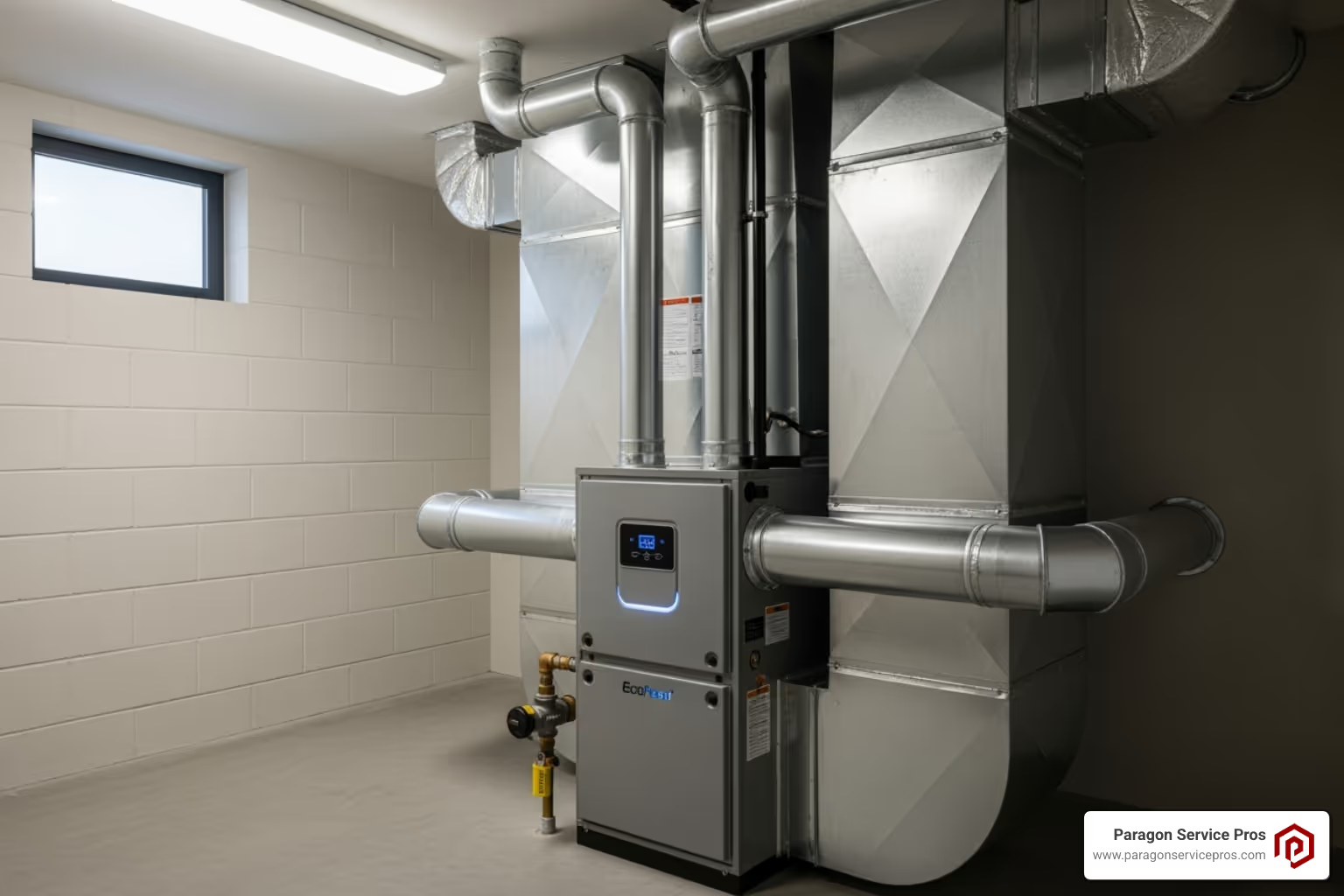
Furnaces are forced-air systems that distribute heated air through ductwork, making them a powerful heating solution.
- Gas Furnaces: These are the standard for many homes, with modern units achieving AFUE ratings over 90%. They provide fast, consistent warmth and are cost-effective in areas with natural gas service.
- Electric Furnaces: These units use resistance coils to generate heat. They often have a lower upfront cost and are a good option where natural gas is unavailable.
Furnaces are durable, typically lasting 15-20 years, but they only provide heat and require ductwork. For more on choosing one, see our Ultimate Guide to Choosing the Right Furnace for Your Home.
Heat Pumps
Heat pumps are clever all-in-one systems that provide both heating and cooling. They work by moving heat rather than creating it, making them incredibly efficient. In winter, they pull heat from the outdoor air and move it inside; in summer, they reverse the process.
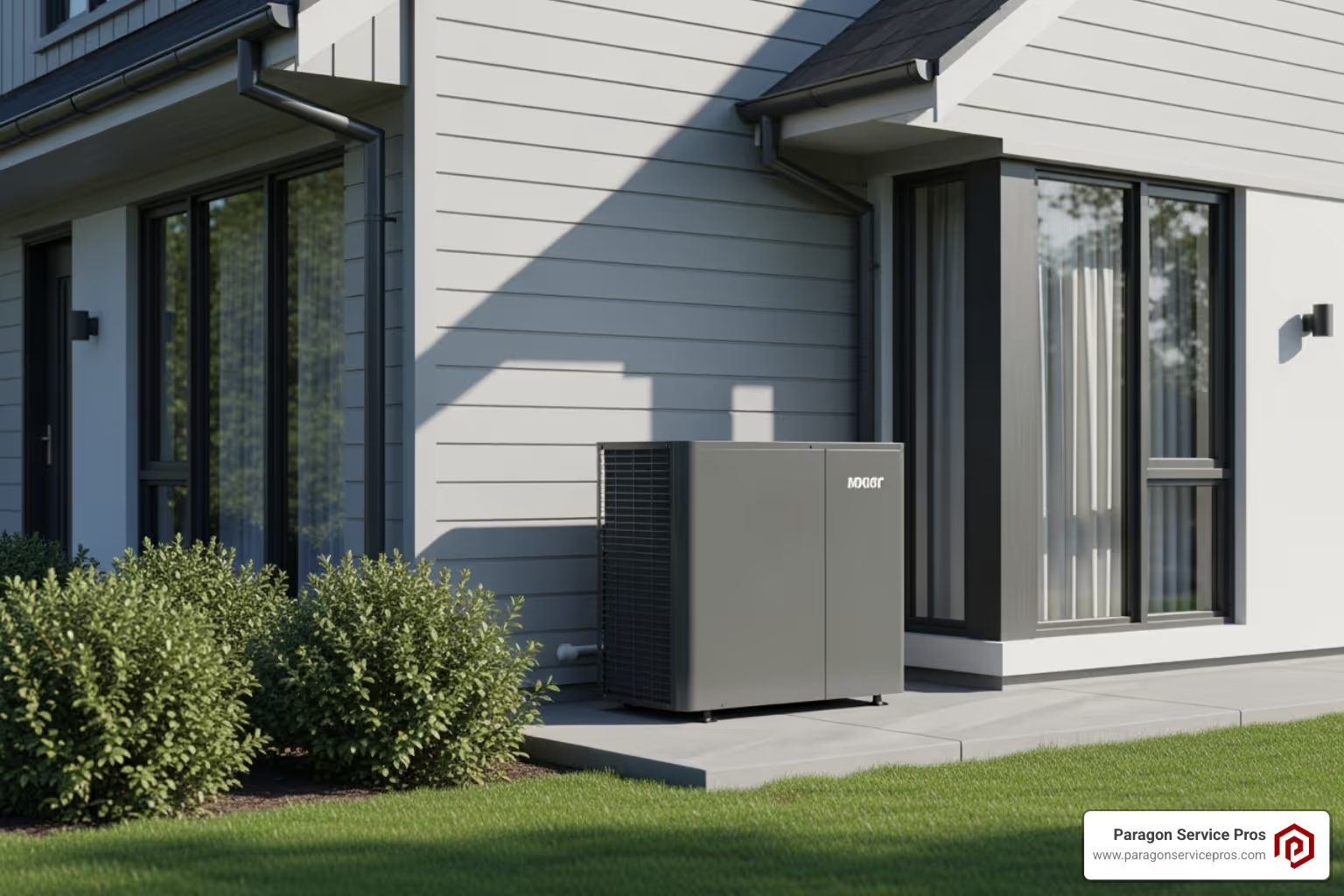
- Types: Air-source heat pumps are the most common. Ductless mini-splits are a flexible option for homes without ductwork, allowing for zoned heating and cooling.
- Benefits: Because they move heat, they can deliver up to three times more energy than they consume, leading to significant savings. They are environmentally friendly, and many high-efficiency models qualify for ENERGY STAR certified heat pumps tax credits.
Heat pumps are ideal for moderate climates like those in Arizona and Utah, offering year-round comfort and efficiency.
Hybrid (Dual-Fuel) Systems
Hybrid systems combine an electric heat pump with a gas furnace, offering the best of both worlds. The system intelligently switches between the two based on outdoor temperatures to maximize efficiency and cost savings.
- How it Works: The ultra-efficient heat pump runs during milder weather. When it gets very cold, the powerful gas furnace takes over.
- Benefits: This approach delivers maximum year-round efficiency, significant cost savings, and climate flexibility. It reduces your carbon footprint while ensuring reliable heat in any condition.
While the upfront cost is higher, hybrid systems are a cutting-edge solution for homeowners seeking maximum long-term savings without compromising on comfort.
Understanding the Costs and Savings of a New System
When considering a heating system upgrade, weigh the upfront investment against long-term savings. An inefficient system can cost you hundreds or thousands in wasted energy each year. Upgrading can cut heating and cooling costs—which make up nearly half of the average $2,200 annual energy bill—by 20-50%.
*Operating costs vary significantly based on local fuel prices, home size, and usage patterns.
A modern system's return on investment is significant. An efficient unit can pay for itself in energy savings within 5-10 years. For more tips, see our guide on 10 Tips to Save Money on Your Heating Bill This Winter.
Key Factors Influencing Your Heating System Upgrade Cost
Several factors impact the final price of your installation:
- Home Size: Larger homes require more powerful, and thus more expensive, systems. A proper Manual J calculation is essential for correct sizing.
- Climate Zone: The heating demands of Arizona differ from Utah. Your climate determines the best type of system.
- Insulation Levels: A well-insulated home retains heat better, potentially allowing for a smaller, less expensive system.
- Ductwork Condition: Leaky ducts can waste up to 30% of heated air. Sealing or replacing ducts may be a necessary additional cost.
- Local Fuel Costs: The price of natural gas and electricity in your area will influence the long-term operating cost of different systems.
- System Efficiency: Higher efficiency ratings (like a 95% AFUE furnace) cost more upfront but deliver greater monthly savings. Learn more in our article on why Energy Efficiency Matters: The Benefits of Upgrading Your Old Furnace.
Calculating Your Potential Energy Savings
The U.S. Department of Energy confirms that heating accounts for 29% of the typical utility bill, making it the biggest opportunity for savings. Upgrading to an ENERGY STAR system can cut heating costs by 20-50%. For maximum impact, adopt a whole-house approach. The U.S. Department of Energy confirms that combining a heating system upgrade with insulation and air sealing can reduce your total energy bill by about 30%. This comprehensive strategy multiplies your savings and comfort.
The Importance of Professional Installation and Maintenance
Even the most advanced equipment will underperform if installed incorrectly. Improper installation can reduce system efficiency by up to 30 percent, negating your potential energy savings. Professional installation is crucial for safety, efficiency, and reliability.
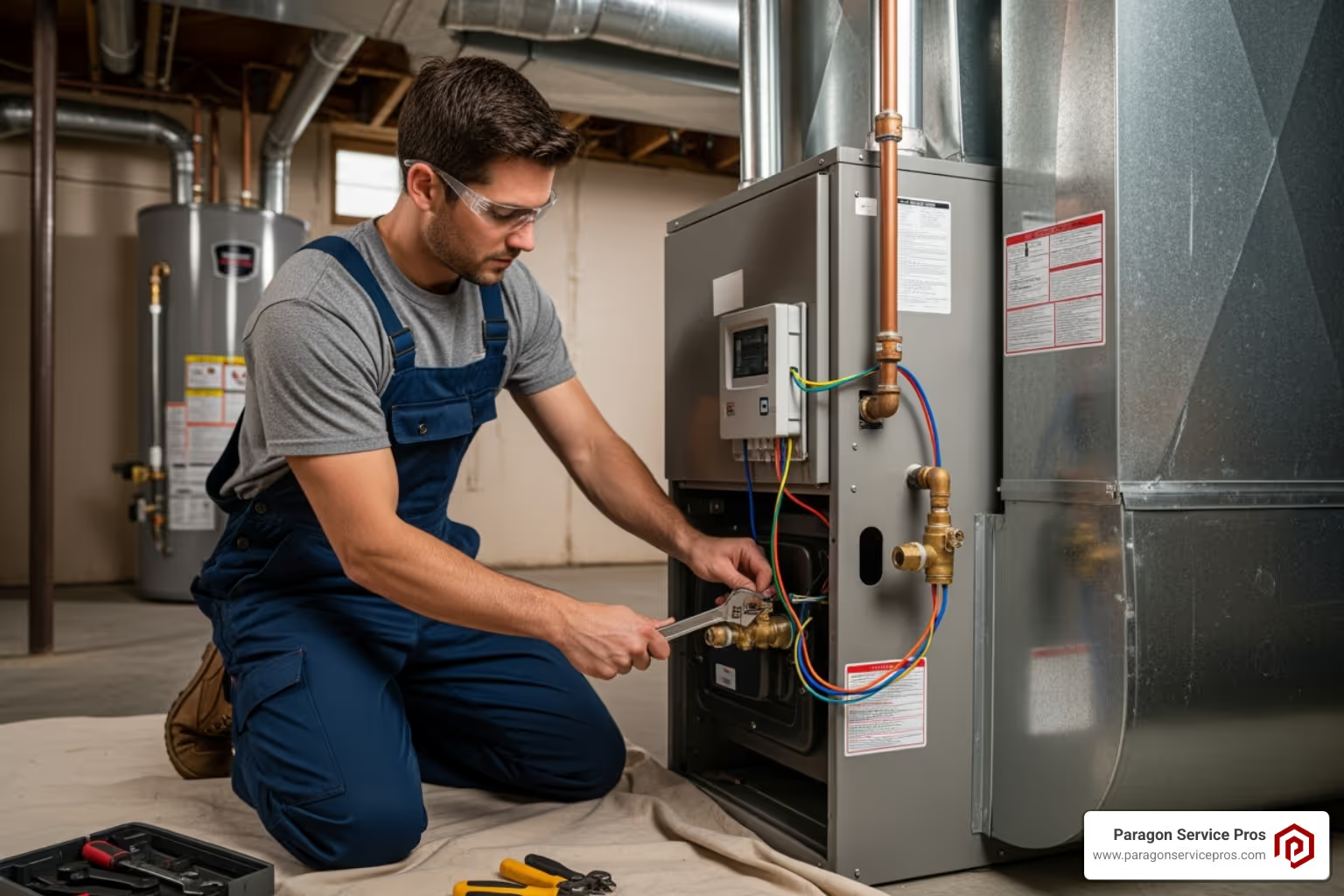
A qualified technician ensures your unit is properly sized, airflow is optimized, and all components are calibrated for peak performance. Professionals handle gas lines and electrical connections safely, follow local codes, and validate your manufacturer's warranty. For more on year-round care, see our guide on Seasonal HVAC Maintenance: Preparing Your System for Year-Round Comfort.
How to Choose the Right HVAC Contractor
Selecting the right contractor is critical for your heating system upgrade. Look for a provider who is:
- Licensed and Insured: This protects you from liability and ensures they meet industry standards.
- Experienced with NATE-Certified Technicians: NATE certification is the industry standard for excellence.
- Highly-Rated: Check Google, Yelp, and the BBB for positive customer reviews.
- Transparent with Written Estimates: A professional provides a detailed, written quote after an in-home assessment.
- Thorough with a Manual J Calculation: Insist on this calculation to ensure your system is sized correctly for your home's specific needs.
For more guidance, read our article on How to Choose the Best HVAC Service Provider: Key Questions to Ask.
Essential Post-Installation Maintenance
Protect your investment with regular maintenance. These simple steps will keep your system running efficiently for years:
- Change Air Filters Regularly: Check filters monthly and replace them every 1-3 months to ensure proper airflow and prevent damage.
- Schedule Annual Professional Check-ups: A yearly tune-up catches small issues before they become costly repairs and maintains efficiency.
- Keep Units Clear: Ensure outdoor units are free of debris and indoor vents are not blocked by furniture.
- Use a Programmable Thermostat: Optimize your heating schedule to save energy when you're away or asleep.
For a complete guide, see our Essential Maintenance Tips for Your Heating and Cooling System.
Financial Incentives for Your Heating System Upgrade
A heating system upgrade is more affordable than you might think, thanks to a variety of financial incentives. These programs can significantly reduce the upfront cost of a new, energy-efficient system.
- Federal Tax Credits: The U.S. government offers a tax credit of 30% of the project cost (up to $2,000) for qualifying high-efficiency equipment, such as ENERGY STAR certified heat pumps. This is a direct reduction of your tax liability.
- Manufacturer Rebates: HVAC manufacturers often provide time-sensitive rebates on their high-efficiency models, which can save you several hundred dollars or more.
- Local Utility Programs: Check with your electric or gas provider for rebates and incentives for installing energy-efficient heating systems. These programs vary by region.
- Assistance Programs: The Low Income Energy Assistance Program and the Weatherization Assistance Program (WAP) offer support to eligible households for energy efficiency upgrades.
Leveraging ENERGY STAR for Rebates and Credits
Choosing equipment with the ENERGY STAR label is your key to open uping many of these savings. These products meet strict federal energy efficiency guidelines. The ENERGY STAR website features a "Rebate Finder" tool to help you locate local and state incentives by zip code. Staying informed about these programs and upcoming changes, like the 2025 shift in HVAC refrigerants and efficiency standards, can dramatically reduce the net cost of your heating system upgrade.
Frequently Asked Questions about New Heating Systems
It's natural to have questions when planning a heating system upgrade. Here are answers to some of the most common ones we hear from homeowners in Arizona and Utah.
What is the most energy-efficient heating system?
The most efficient system depends on your climate and home. Geothermal heat pumps are the most efficient overall, using the stable temperature of the earth to heat and cool. High-efficiency air-source heat pumps, especially modern cold-climate models, are also incredibly efficient because they move heat rather than creating it. For homes with natural gas, high-efficiency furnaces (95%+ AFUE) are an excellent choice, particularly in very cold climates. For the moderate climates in much of Arizona and Utah, a high-efficiency air-source heat pump often provides the best year-round value.
How long does a new heating system last?
Lifespan varies by system type and maintenance. With proper care, you can expect the following:
- Furnaces: 15-20 years (gas) or up to 30 years (electric).
- Heat Pumps: 10-15 years, as they provide both heating and cooling year-round.
- Boilers: 15-30 years.
- Geothermal Systems: Indoor components last 20-25 years, while the underground loops can last over 50 years.
Regular professional maintenance is the single most important factor in maximizing your system's lifespan.
Can I install a new heating system myself?
We strongly advise against a DIY installation. While it may seem like a way to save money, it poses significant risks:
- Safety Hazards: Working with gas lines, high-voltage electricity, and refrigerants is dangerous without professional training and can lead to fires, leaks, or carbon monoxide poisoning.
- Code Violations: Professional installers are current on local building codes that ensure safety and proper function. A non-compliant installation can cause issues when selling your home.
- Voided Warranties: Most manufacturers require professional installation to validate the equipment warranty. A DIY job means you could be on the hook for all future repair costs.
- Reduced Efficiency and Lifespan: Improper installation can reduce system efficiency by up to 30%. That means your new, efficient system could end up costing you more to operate than your old one.
A heating system upgrade is a major investment. Professional installation protects that investment, your home, and your family.
Conclusion
A heating system upgrade is an investment in a more comfortable, efficient, and valuable home. By choosing a modern system, you can say goodbye to uneven heating, high energy bills, and the worry of unexpected breakdowns. With heating accounting for 29% of the average utility bill, a high-efficiency upgrade is a smart financial decision that delivers returns for years.
Whether you opt for a powerful furnace, an efficient heat pump, or a versatile hybrid system, you are investing in long-term value. However, the full benefits of any system are only realized through professional installation and care. A qualified contractor ensures your system is correctly sized and calibrated for optimal performance.
At Paragon Service Pros, we are dedicated to providing exceptional comfort and peace of mind to homeowners throughout Arizona and Utah. Our experienced team delivers reliable heating solutions with quality workmanship and complete transparency. Don't wait for your old system to fail on the coldest day of the year. Take control of your home's comfort and efficiency now.
Ready to experience the difference a modern heating system can make? Schedule your professional heating installation in Alpine today! Your future self will thank you.

Customer Testimonials
Our customers consistently praise our fast response times, honest communication, and the dependable results they can feel in their home.
.svg)