

24/7 Furnace Fixes: Your Guide to Emergency Maintenance in Queen Creek, AZ
Experiencing furnace trouble? Get 24/7 emergency furnace maintenance in Queen Creek, AZ. Stay warm & safe. Call now!


When Your Furnace Fails on a Cold Queen Creek Night
Emergency furnace maintenance in queen creek, az becomes critical when your heating system fails during the cool desert nights that catch many Arizona homeowners off guard. When your furnace stops working, strange smells fill your home, or warning alarms sound, you need fast, reliable help to restore warmth and ensure your family's safety.
If you're facing a furnace emergency right now:
- Gas smell - Evacuate immediately, avoid electronics, and call your gas company
- Carbon monoxide alarm - Get everyone outside to fresh air and call 911
- No heat - Check your thermostat settings and breaker, then call a professional
- Strange noises or smells - Turn off your system and contact an HVAC expert
For help with broader HVAC issues, explore our HVAC system problems guide. When you need immediate furnace repair, contact our emergency heating services.
Queen Creek's unique desert climate creates specific challenges for heating systems. While our winters are mild compared to northern states, overnight temperatures can drop significantly, and the constant dust from monsoon season puts extra strain on furnace components. When combined with aging equipment in older East Valley neighborhoods, these factors mean furnace failures often happen without warning, leaving families uncomfortable and potentially unsafe.
This guide walks you through exactly what to do when your furnace fails, how to recognize true emergencies, and what to expect from professional emergency service in Queen Creek.
First Response: Critical Safety Steps for a Furnace Emergency
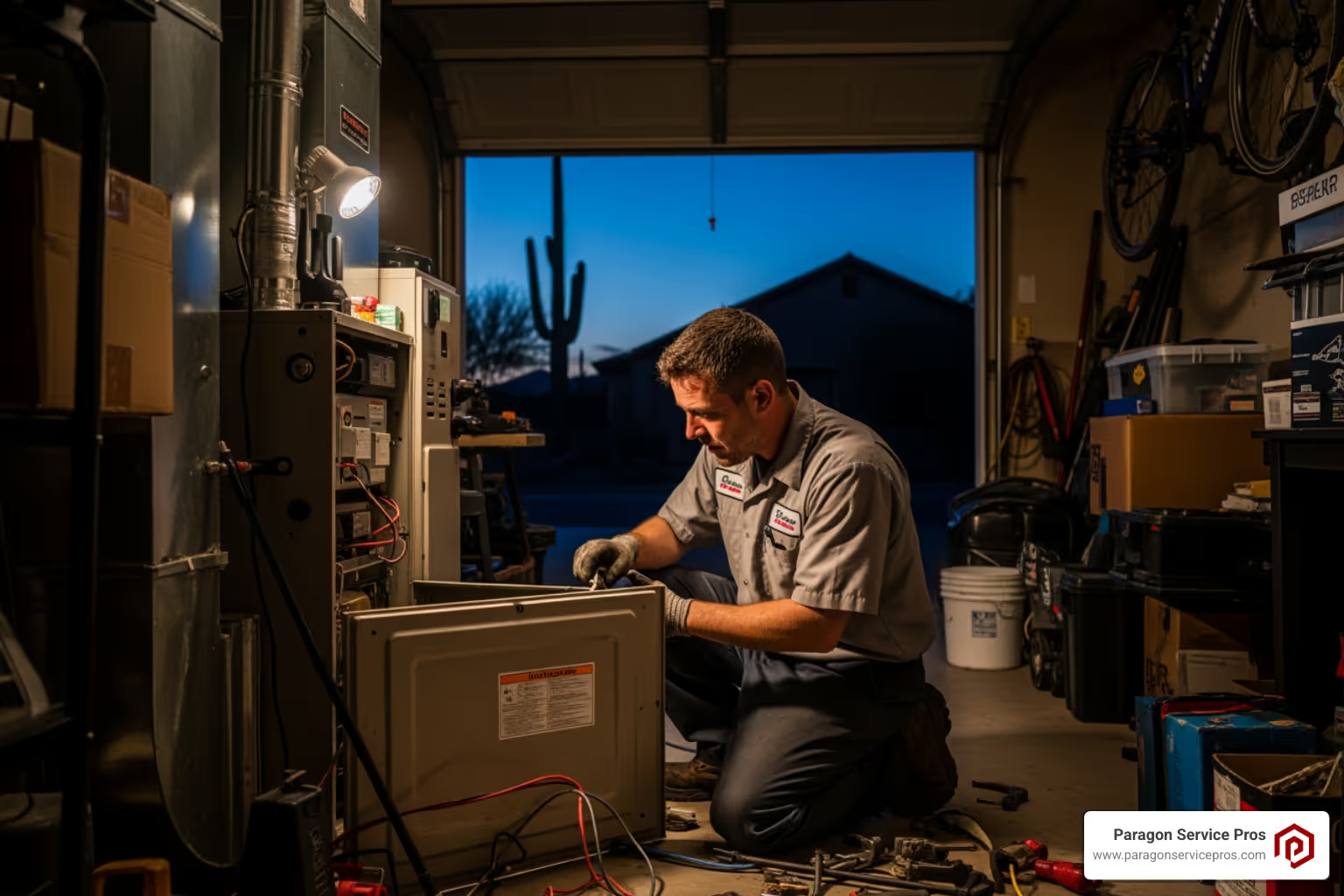
When your furnace acts up, the first few moments are crucial. Your immediate actions can make all the difference in ensuring the safety of your household. We've seen countless situations where quick, informed responses prevented minor issues from escalating into major hazards. It's not just about comfort; it's about protecting your home and loved ones. Understanding how to handle gas leaks, carbon monoxide alarms, electrical issues, or even just strange noises is paramount. For more detailed information on various HVAC problems, you can always refer to our HVAC system problems guide.
If You Smell Gas
The smell of natural gas is perhaps the most alarming furnace emergency you can encounter. Natural gas is odorless, but utility companies add a chemical called mercaptan, which gives it a distinct "rotten egg" smell. If you detect this odor, do not hesitate.
Your first and most important step is to evacuate everyone from the home immediately. Get to fresh air and ensure everyone is accounted for. Once you are safely outside and away from the house, call your gas company and 911. It's critical to avoid using any electrical devices inside the house, including light switches, cell phones, or even unplugging appliances, as a spark could ignite the gas. If it's safe to do so, you can close the gas shutoff valve at the furnace or meter, but prioritize getting out of the house first. Never attempt to locate or repair a gas leak yourself; this requires professional expertise and specialized equipment.
If a Carbon Monoxide (CO) Alarm Sounds
Carbon monoxide (CO) is a silent killer—an invisible, odorless, and tasteless gas produced by incomplete combustion. If your carbon monoxide detector sounds, or if anyone in your home experiences symptoms like headaches, dizziness, nausea, shortness of breath, or fatigue, treat it as an immediate emergency. These symptoms can often be mistaken for the flu, making a functioning CO alarm even more vital.
Leave the house immediately and seek fresh air. Once everyone is safely outside, call 911. Do not re-enter the home until emergency services have confirmed it is safe. A common cause of CO leaks from a furnace is a cracked heat exchanger, which allows combustion gases to mix with the breathable air in your home. This is a severe issue that only a qualified HVAC technician can diagnose and repair.
For Noises, Leaks, or System Shutdown
While not as immediately life-threatening as a gas leak or CO alarm, other furnace issues still warrant quick action. If you hear banging, rattling, screeching, or other strange noises coming from your furnace, it could indicate loose machinery parts, a failing motor, or other significant mechanical problems. Ignoring these sounds could lead to more severe damage and more extensive repairs down the line.
Water pooling around your furnace, especially if it's a high-efficiency model, could signal a blocked condensate line. If your furnace simply shuts down, first check your thermostat settings and ensure the system switch is "on." Then, head to your electrical panel to see if the circuit breaker for your furnace has tripped. If you can reset it, great, but if it trips again immediately, there's an underlying electrical fault that needs attention. For any of these issues, or if your pilot light repeatedly goes out, it's best to turn off your furnace at the main power switch (usually located near the unit) and then contact us. Attempting to fix complex heating issues yourself without proper training can be dangerous and may void your warranty. When you need expert help with your heating system, our heating repair services are just a call away.
Common Furnace Problems in Queen Creek Homes
Living in Queen Creek, Arizona, offers unique advantages, but it also presents specific challenges for our home heating systems. While we enjoy abundant sunshine, the cool desert nights, especially in winter, can drop significantly, making a reliable furnace essential. Our local climate factors, such as high dust loads during monsoon season, constantly put a strain on HVAC components. We often see older gas furnaces in established East Valley neighborhoods that are more susceptible to wear and tear.
These environmental factors, combined with the normal aging process of mechanical systems, contribute to a range of common furnace problems that frequently require emergency furnace maintenance in Queen Creek, AZ. From minor glitches to complete system failures, we've encountered them all. For a deeper dive into our local heating services, visit our page on heating services in Queen Creek.
Signs You Need Emergency Furnace Maintenance in Queen Creek, AZ
How do you know if your furnace issue is just a minor hiccup or a full-blown emergency requiring immediate attention? Here's a list of critical signs that indicate you need emergency furnace maintenance in Queen Creek, AZ:
- No Heat or Insufficient Heat: Your furnace is running, but cold air is blowing, or the house isn't getting warm. This could be due to a failed igniter, a faulty thermostat, or a problem with the heat exchanger.
- Complete System Shutdown: The furnace completely stops working, and you can't get it to turn on, even after checking the breaker and thermostat. This might point to a control board failure or a major electrical issue.
- Smell of Gas or Burning Odors: As mentioned, a rotten egg smell indicates a gas leak. A burning plastic or electrical smell suggests an electrical component is overheating, while a burning dust smell might just be dust burning off the heat exchanger, but it's always best to have it checked.
- Loud, Unusual Noises: Banging, clanking, screeching, or grinding sounds often signal problems with the blower motor, fan blades, or other internal components that are loose or failing.
- Frequent Cycling (Short Cycling): Your furnace turns on and off too frequently without adequately heating your home. This can indicate an oversized unit, a clogged filter, or a faulty thermostat.
- Yellow Pilot Light (Gas Furnaces): A healthy pilot light should be blue. A yellow or flickering pilot light suggests incomplete combustion, which can produce carbon monoxide.
- Poor Indoor Air Quality: Sudden increases in dust, strange smells, or a feeling of stuffiness might indicate issues with your furnace's filtration or internal cleanliness.
- Frozen Condensate Line (High-Efficiency Furnaces): If you have a high-efficiency furnace, a blocked or frozen condensate line can cause the system to shut down. While rare in Queen Creek's mild winters, sudden cold snaps can sometimes cause this.
How Queen Creek's Climate Impacts Your Furnace
Our beautiful desert environment, while stunning, can be surprisingly tough on HVAC systems. The fine dust that's characteristic of the Arizona landscape, especially during our monsoon season, is a primary culprit. This dust can easily penetrate your furnace, leading to several issues:
- Clogged Air Filters: Dust rapidly clogs air filters, restricting airflow. This forces your furnace to work harder, decreasing efficiency, increasing energy consumption, and putting undue strain on critical components like the blower motor.
- Dust Accumulation on Components: Beyond filters, dust can accumulate on the blower motor, heat exchanger, and other sensitive parts. This acts as an insulator, reducing efficiency, and can cause components to overheat or fail prematurely.
- Increased Strain on System: The constant battle against dust and the fluctuating temperatures (warm days, cool nights) mean your furnace is often working harder than units in more temperate climates. This constant stress can accelerate wear and tear, leading to more frequent breakdowns if not properly maintained.
- Condensate Line Issues: While rare, even high-efficiency furnaces in Queen Creek can face condensate line issues during colder-than-average nights. Blockages can lead to system shutdowns.
Preparing for these unique challenges means understanding that your furnace needs regular attention to withstand the local conditions and be ready for those sudden temperature drops.
What to Expect from Emergency Furnace Maintenance in Queen Creek, AZ
When you're facing a furnace emergency, the last thing you need is uncertainty. We believe in transparency and efficiency, especially when your comfort and safety are on the line. When you call us for emergency furnace maintenance in Queen Creek, AZ, you can expect a professional, streamlined process designed to get your heat back on as quickly and safely as possible. For more insights on selecting a reliable HVAC provider, check out our guide on choosing an HVAC service provider.
Our highly trained and experienced technicians are not just skilled; they are equipped with specialized tools and a deep understanding of all major HVAC brands. We arrive with fully stocked service vehicles, allowing us to perform many repairs on the spot. Our priority is always your safety, followed by restoring your comfort.
The Professional Diagnostic and Repair Process
When our technician arrives for your emergency service visit, here's what typically happens:
- Immediate Safety Checks: The first step is always to ensure safety. This includes visual and odor inspections for gas, performing carbon monoxide testing, and checking for any immediate electrical hazards.
- Thorough Diagnostic Assessment: Using advanced diagnostic tools, our technician will systematically evaluate your furnace. This involves:
- Electrical and Control Checks: Verifying the thermostat, wiring, circuit boards, and safety controls are functioning correctly.
- Ignition and Combustion Analysis: Inspecting the igniter or pilot light, burners, and exhaust system to ensure proper combustion.
- Heat Exchanger Inspection: A critical check for cracks or damage that could lead to CO leaks.
- Airflow Evaluation: Assessing the blower motor, fan, and ductwork for obstructions or malfunctions affecting air delivery.
- Root Cause Identification: Our goal is to pinpoint the exact cause of the malfunction, not just treat the symptoms. We'll explain the issue in clear, understandable terms.
- Transparent Explanation and Options: We'll clearly explain what's wrong, the necessary repairs, and any available options (e.g., temporary vs. permanent fixes). We believe in empowering you with information to make the best decision for your home.
- Fast and Reliable Repairs: Once approved, our technicians will perform the repairs using quality parts. With our fully stocked vehicles, we aim to complete most emergency repairs during the initial visit.
- Post-Repair Safety and Performance Testing: After the repair, we conduct comprehensive testing to ensure the furnace is operating safely, efficiently, and effectively. This includes verifying all safety controls and measuring performance metrics.
- Documentation and Guidance: You'll receive clear documentation of the services performed. We'll also provide guidance on preventing future issues and maximizing your furnace's lifespan.
Most basic diagnostic and repair visits for emergency issues typically take between 30 to 90 minutes, depending on the complexity of the problem.
Deciding Between Repair and Replacement
During an emergency furnace repair, you might face a significant decision: repair your existing furnace or invest in a new one. This choice depends on several factors, and our technicians are here to help you weigh your options.
| Factor | Consider Repair If... -|| Age of System | Your furnace is less than 10-12 years old. -|| Cost of Repair | The repair cost is less than 50% of the cost of a new system. -|| Frequency of Breakdowns | This is the first or second major repair in several years. -|| Energy Efficiency (AFUE) | Your furnace has a relatively high AFUE rating and your energy bills are reasonable. -|| Long-Term Plans | You plan to move within the next few years. -|| Consider Replacement If... -|| Age of System | Your furnace is over 15 years old. -|| Cost of Repair | The repair is very expensive, approaching 50% or more of the cost of a new unit. -|| Frequency of Breakdowns | You've had multiple repairs in the last couple of years. -|| Energy Efficiency (AFUE) | Your furnace has a low AFUE rating, and your energy bills are consistently high. -|| Long-Term Plans | You plan to stay in your home for many years, making a new, efficient system a good investment. -|
Preventing Future Breakdowns with Proactive Maintenance
While we're always ready to assist with emergency furnace maintenance in queen creek, az, our real desire is to help you avoid these situations altogether. Proactive maintenance is the best defense against unexpected breakdowns. It significantly reduces the likelihood of furnace emergencies, extends the lifespan of your heating system, improves its energy efficiency, and ultimately gives you peace of mind, knowing your family will stay warm and safe. For more details on preparing your system, check out our guide to seasonal HVAC maintenance.
Essential DIY Furnace Maintenance Tips
Even a little regular attention from you can go a long way in preventing furnace problems. Here are some essential DIY maintenance tips:
- Change Your Air Filters Regularly: This is perhaps the easiest and most impactful maintenance task. In dusty Queen Creek, we recommend checking your air filter monthly and replacing or cleaning it every 1 to 3 months, or more frequently if you have pets or allergies. A clean filter ensures proper airflow, keeps dust out of your system, and helps your furnace run efficiently.
- Keep Vents Clear and Unobstructed: Ensure all supply and return air vents throughout your home are open and not blocked by furniture, drapes, or rugs. Blocked vents restrict airflow, leading to uneven heating and increased strain on your furnace.
- Check Thermostat Batteries: A simple fix for a non-responsive furnace can be dead thermostat batteries. Replace them annually, or whenever the low-battery indicator appears.
- Listen for Unusual Sounds: Pay attention to your furnace's normal operating sounds. If you start to hear banging, rattling, squealing, or grinding, don't ignore it. These sounds are often early warnings of a developing problem.
- Keep the Area Around Your Furnace Clear: Ensure there's at least three feet of clear space around your furnace for proper airflow and to prevent fire hazards.
For additional practical advice, our essential maintenance tips article offers more helpful guidance.
Why Annual Professional Tune-Ups Are Crucial
While DIY tasks are important, they can't replace the comprehensive inspection and tune-up provided by a professional. We strongly recommend scheduling annual heating inspections, ideally in early fall before the colder nights set in.
During a professional tune-up, our technicians will:
- Perform a Comprehensive Inspection: We'll examine all components of your furnace, checking for wear and tear, potential issues, and proper operation.
- Clean Internal Components: We carefully clean the burners, heat exchanger, blower motor, and other critical parts, removing dust and debris that can reduce efficiency and cause breakdowns.
- Test Safety Controls: Crucially, we'll test all safety mechanisms, including the limit switch, flame sensor, and carbon monoxide detectors, to ensure they are functioning correctly and protecting your home.
- Optimize Performance: We'll make adjustments to ensure your furnace is running at peak efficiency, which can extend its lifespan and potentially lower your energy bills.
- Identify Potential Issues Early: By catching small problems before they escalate, we can help you prevent costly emergency repairs down the road.
- Maintain Warranty Compliance: Many manufacturers require annual professional maintenance to keep your furnace's warranty valid.
Investing in regular professional maintenance is one of the smartest decisions you can make for your home's comfort and your peace of mind. To understand the full financial and operational benefits, read our article on the benefits of annual maintenance.
Frequently Asked Questions about Emergency Furnace Repair
We understand that when your furnace breaks down, you have a lot of questions. Here are some of the most common ones we hear regarding emergency furnace maintenance in Queen Creek, AZ.
How do I know if my furnace problem is a true emergency?
A true emergency involves safety risks like a suspected gas leak, a carbon monoxide alarm, or major electrical faults. A complete loss of heat during a cold Queen Creek night, especially with vulnerable household members, also qualifies as an emergency. If you're ever in doubt, it's always best to err on the side of caution and contact a professional.
Can I reset my furnace myself before calling for help?
Yes, you can try simple resets. Turn the furnace off at the thermostat, wait a minute, and turn it back on. You can also check your home's circuit breaker to see if it has tripped and reset it once. If these steps don't work, it's time to call a professional. Just remember, if you smell gas or suspect a CO leak, do not attempt any resets; evacuate immediately.
How quickly can a technician arrive for an emergency in Queen Creek?
Emergency services are designed for rapid response. Our technicians are typically dispatched immediately to ensure your safety and restore your heat as quickly as possible, often arriving the same day you call. We understand that waiting in the cold is not an option, especially during those chilly desert nights.
Your Partner for Year-Round Comfort in Queen Creek
When the unexpected happens and your furnace falters, you need a reliable partner you can trust. We are committed to restoring warmth and ensuring the safety of your home with unparalleled service and quality workmanship. As an Arizona-based residential HVAC company, we pride ourselves on our complete transparency and offer same-day and emergency appointments to address your urgent needs.
Don't let a furnace emergency leave you in the cold. When you need expert emergency furnace maintenance in Queen Creek, AZ, we are here to help. Our expert technicians are ready to provide the swift, professional service you deserve, ensuring your home is safe and warm.
Contact us for emergency heating services in Queen Creek today, and let us be your partner for year-round comfort.

Customer Testimonials
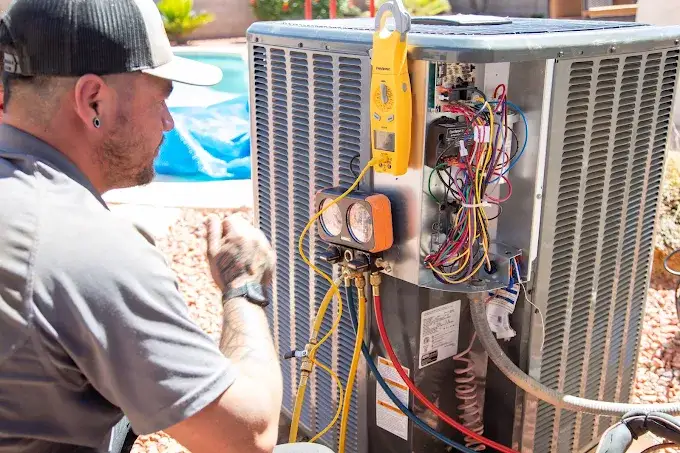
Our customers consistently praise our fast response times, honest communication, and the dependable results they can feel in their home.
.svg)