

Mastering the Heat: How to Install Your Own Furnace


Why Installing a New Furnace Matters for Arizona Homeowners
An install new furnace project can significantly improve your home's comfort and reduce energy bills. When an old furnace requires frequent repairs or causes high utility bills, replacement is often the most cost-effective solution. Most furnaces last 15-20 years, and considering a replacement after 15 years is a smart move to avoid sudden breakdowns.
The decision between DIY and professional installation is critical. Due to the risks associated with gas lines, electrical work, and proper venting, professional installation is strongly recommended for safety. A mistake can lead to gas leaks, fires, or carbon monoxide poisoning.
Professional installation typically costs between $2,825 and $6,846, which includes the unit, labor, and permits. While DIY may seem cheaper, it can void warranties and create hazardous conditions. This guide covers everything from identifying the need for a new furnace to understanding the installation process.
Is It Time for a New Furnace? Key Signs and Lifespan
Most furnaces have a lifespan of 15-20 years. As your unit approaches this age, it's wise to start planning for a replacement to avoid being left without heat on a cold winter night. Age is a key factor, but performance issues are even more telling.
Telltale Signs Your Furnace is Failing
Your furnace will usually show signs of decline before it fails completely. Watch for these red flags that indicate it's time to consider an install new furnace project:
• Frequent Repairs: If you're calling for service more than once a year, replacement is often more economical than repeated repair costs.
• Rising Energy Bills: A decline in efficiency means your furnace works harder and uses more fuel, increasing your monthly bills.
• Uneven Heating: Some rooms being too hot while others are cold suggests the furnace can no longer distribute air effectively.
• Strange Noises: Rattling, popping, or loud humming sounds often point to mechanical problems that will worsen over time.
• Visible Rust or Corrosion: Deterioration of the furnace cabinet or components can compromise performance and safety.
• Yellow Pilot Light: For gas furnaces, a yellow or flickering flame (instead of a steady blue one) is a serious safety hazard indicating incomplete combustion and potential carbon monoxide. Contact a professional immediately if you see this.
• Poor Air Quality: An increase in dust or dry air can mean your system is no longer filtering air properly.
An older furnace may operate at only 60-70% efficiency, while a new high-efficiency model can exceed 95%. For units over 15 years old showing these signs, replacement typically pays for itself through energy savings and eliminated repair costs.
Understanding the Costs of Furnace Replacement
When you decide to install new furnace equipment, the cost is a primary consideration. The national average for a complete furnace replacement is around $4,771, with a typical range of $2,825 to $6,846. This price includes the unit, professional labor, permits, and disposal of the old furnace.
Factors That Influence the Final Price
Several key factors determine the total investment for your furnace replacement:
• Furnace Type: Gas furnaces are popular for their efficiency, while electric furnaces often have a lower upfront cost.
• AFUE Rating: The Annual Fuel Utilization Efficiency (AFUE) rating measures efficiency. Higher AFUE units (95%+) cost more initially but provide significant long-term energy savings.
• Unit Size (BTUs): The furnace must be correctly sized for your home's square footage and insulation. An improperly sized unit will be inefficient and ineffective.
• Brand and Features: Premium brands or models with features like variable-speed blowers cost more but offer improved comfort and efficiency.
• Labor and Installation Complexity: Difficult installations or the need for ductwork modifications will increase labor costs.
• Permits and Fees: Local permits are required to ensure the installation meets safety codes.
FactorImpact on CostGas FurnaceModerate upfront cost, excellent efficiencyElectric FurnaceLower upfront cost, simpler installationHigh AFUE (95%+)Higher upfront cost, significant long-term savingsStandard AFUE (80-90%)Lower upfront cost, moderate efficiencyComplex InstallationHigher labor costs for difficult installationsDuctwork ModificationsAdditional cost if existing ducts need updates
Can a Home Warranty Help?
A home warranty may help offset costs, but it's important to understand the limitations. Most policies have coverage caps that might not cover the full price of a new, high-efficiency unit. You'll also be responsible for service fees and deductibles. The claims process can be slow, and the warranty company may require multiple repair attempts before approving a replacement. Always read the fine print to understand your specific coverage.
Is It Time for a New Furnace? Key Signs and Lifespan
Recognizing the warning signs of a failing furnace is the first step toward ensuring your home remains comfortable and safe. As furnaces age, they lose efficiency and become more prone to breakdowns, making proactive replacement a smart financial decision.
Understanding the Costs of Furnace Replacement
The cost to install new furnace equipment is a significant factor for any homeowner. Understanding the variables that contribute to the final price—from the type and efficiency of the unit to the complexity of the installation—allows you to make an informed decision that balances your budget with your long-term comfort and energy savings goals.
Choosing Your New Furnace: Types, Efficiency, and Sizing
Selecting the right furnace involves balancing your home's needs, your budget, and your desired energy savings.
Gas furnaces are the most popular choice in Arizona and Utah, offering fast, efficient, and affordable heating. Electric furnaces are typically less expensive to purchase and install but can have higher operating costs depending on electricity rates.
Proper sizing is critical. A professional uses a Manual J calculation to determine the exact heating capacity (measured in BTUs) your home needs based on its size, insulation, windows, and local climate. An oversized furnace will short cycle, wasting energy and causing wear, while an undersized unit will run constantly without adequately heating your home.
Furnaces also come with different operational stages:
• Single-stage: The most basic option, operating at full capacity only (on/off).
• Two-stage: Offers a low and high setting for better efficiency and more consistent temperatures.
• Modulating: The premium choice, adjusting heat output in small increments for ultimate comfort and efficiency.
Decoding Furnace Efficiency (AFUE)
AFUE (Annual Fuel Utilization Efficiency) measures how much fuel is converted into heat. An 80% AFUE furnace wastes 20 cents of every fuel dollar, while a high-efficiency 95% AFUE model wastes only 5 cents.
While high-efficiency furnaces have a higher upfront cost, the long-term energy savings often offset the initial investment over the unit's 15-20 year lifespan. Additionally, homeowners may be eligible for federal tax credits or local utility rebates for installing energy-efficient models, further reducing the overall cost.
The DIY vs. Professional Debate: Can You Install a New Furnace Yourself?
While the satisfaction of a DIY project is appealing, furnace installation is a job that should be left to certified professionals. Modern HVAC systems are complex machines that involve high-voltage electricity, flammable gas, and dangerous exhaust fumes. Safety must be the top priority.
Risks of a DIY Furnace Installation
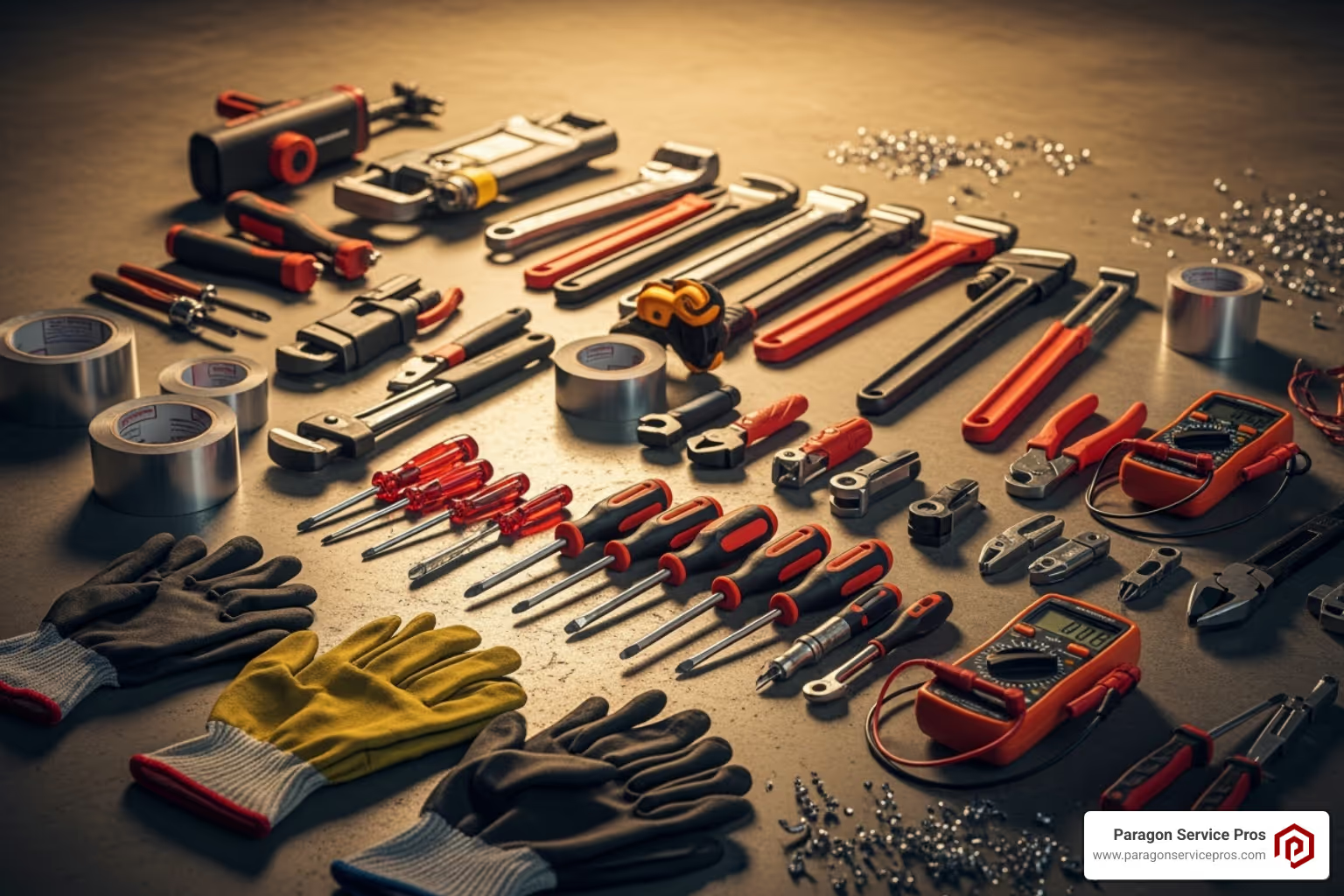
Attempting to install new furnace equipment yourself carries significant risks that far outweigh any potential cost savings:
• Gas Leaks and Explosions: An improperly connected gas line can lead to a catastrophic explosion or fire. Professionals use specialized tools to ensure connections are secure and leak-free.
• Carbon Monoxide Poisoning: Incorrect venting can allow this odorless, deadly gas to enter your home. Proper installation is vital to ensure all exhaust is safely directed outside.
• Electrical Hazards: Working with high-voltage wiring without proper training can result in electrocution or electrical fires.
• Voiding the Manufacturer's Warranty: Most manufacturers require installation by a licensed technician to validate the warranty. A DIY install leaves you responsible for all future repair costs, even for factory defects.
• Failing Inspections: Installations must comply with strict local building codes and pass inspection. A failed inspection can result in fines and the need to have the work redone by a professional.
Your family's safety and your home's integrity are too important to risk. This complex and potentially dangerous job requires the training, tools, and experience of a certified HVAC professional.
The Professional Installation Process: What to Expect
Choosing a professional to install new furnace equipment ensures the job is done safely and correctly. A typical installation takes between 4 to 10 hours, depending on the complexity. When selecting a contractor, always verify they are licensed and insured and get detailed quotes.
Preparing Your Home for Installation
A little preparation can help the installation day go smoothly:
• Clear a Path: Ensure there is a clear path from the entrance to the furnace location for technicians and equipment.
• Clear the Work Area: Remove all items, especially flammable materials, from the immediate vicinity of the furnace.
• Secure Pets: Keep pets in a separate, secure room for their safety and to prevent them from getting in the way.
• Be Available: If possible, be home during the installation to answer any questions that may arise.
What a Professional Installation Includes
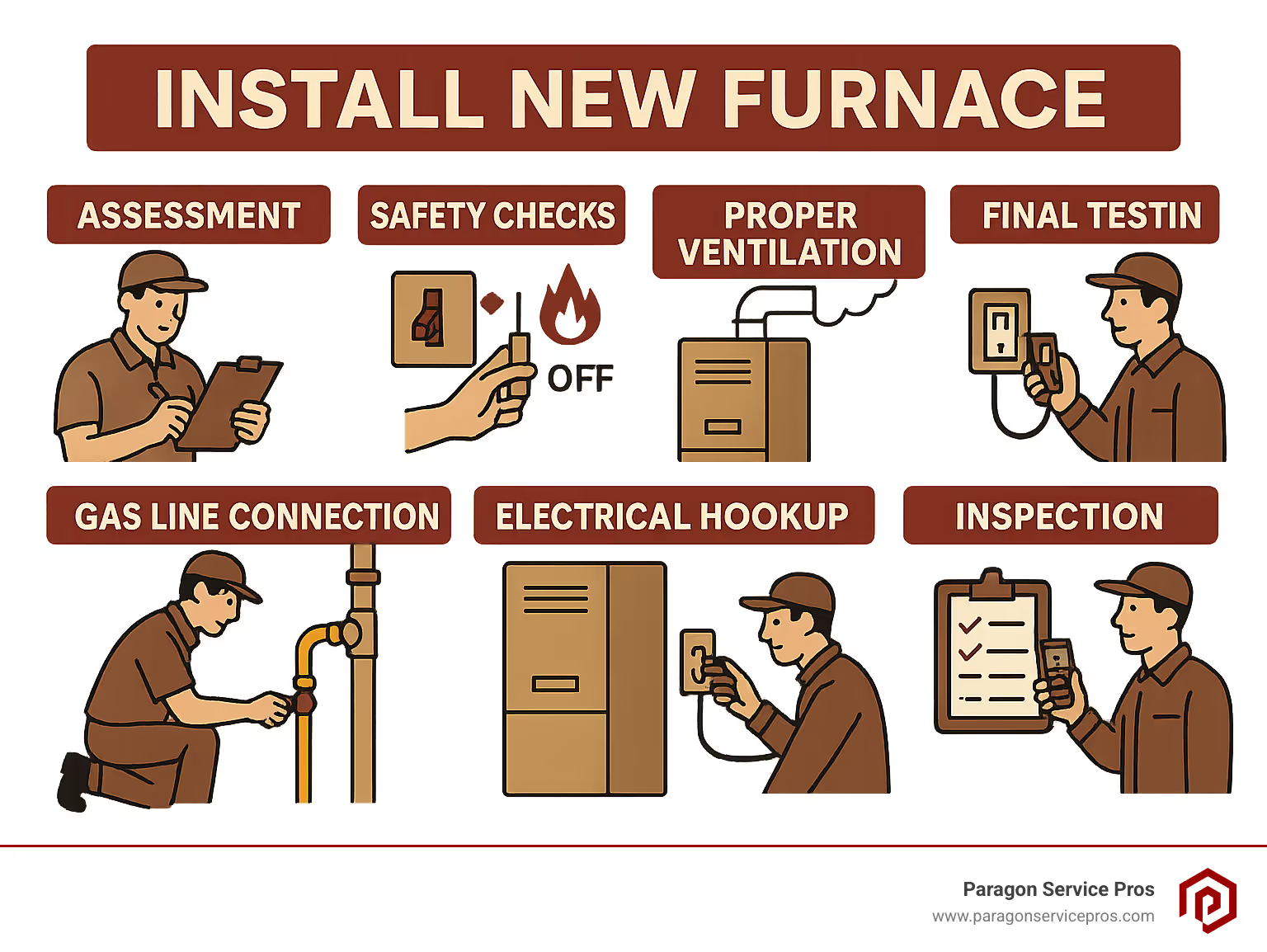
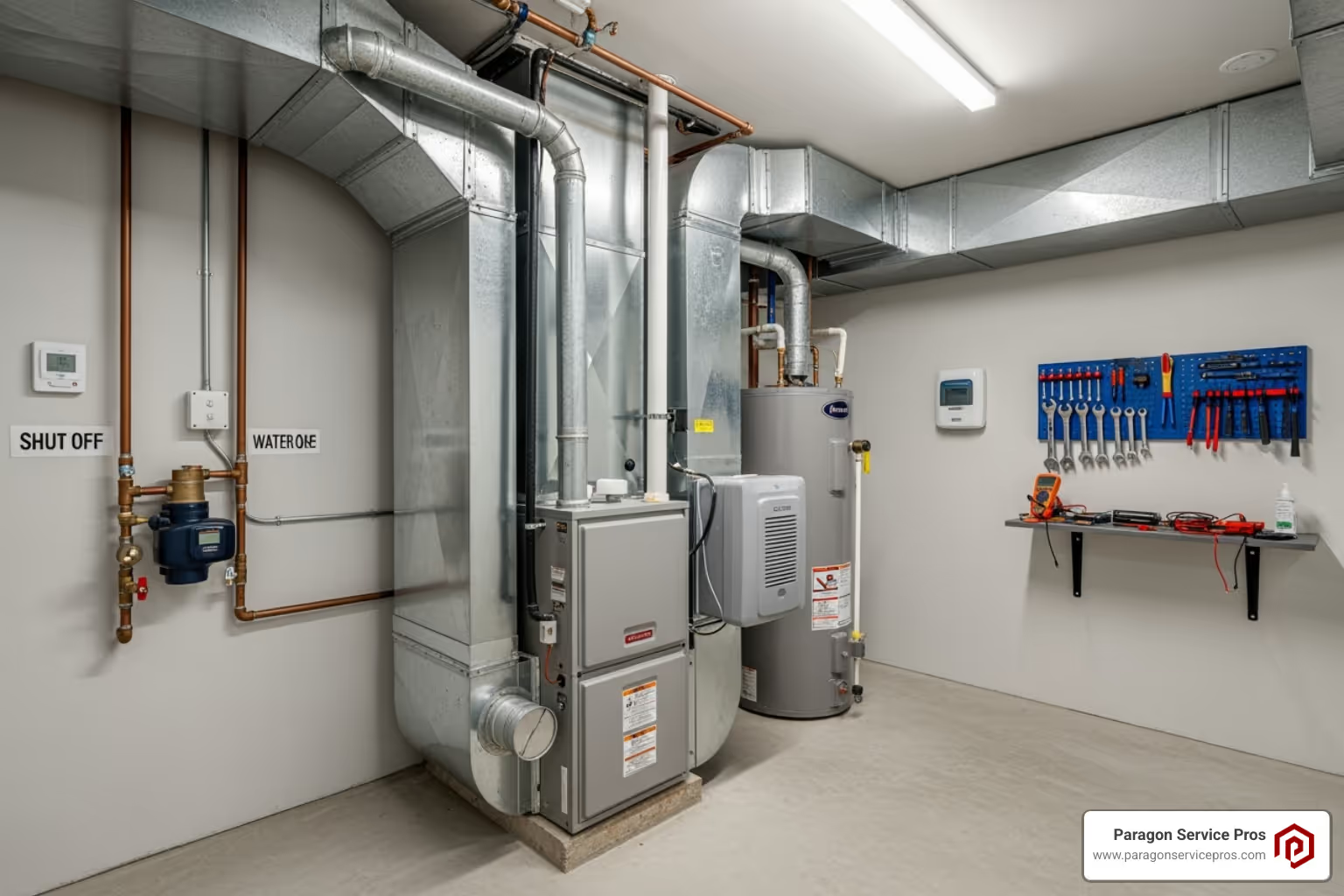
A professional installation is a comprehensive service that includes:
• Proper Sizing: Performing a load calculation (Manual J) to determine the correct furnace size for your home.
• Safe Removal: Disconnecting and disposing of your old unit according to environmental regulations.
• Correct Placement: Setting and securing the new furnace to meet manufacturer and code requirements.
• System Connections: Securely connecting and sealing all ductwork, fuel lines, and electrical wiring.
• Testing and Commissioning: Thoroughly testing the system for gas leaks, proper airflow, and safety functions.
• Homeowner Walkthrough: Explaining the new system's operation, thermostat, and maintenance requirements.
Frequently Asked Questions about Furnace Installation
Here are answers to some common questions homeowners have when planning to install new furnace equipment.
How much does it cost to install a new furnace?
The cost varies, but most homeowners spend between $2,825 and $6,846. The final price depends on factors like the furnace's type and efficiency (AFUE rating), the size of the unit, and the complexity of the installation labor. The best way to get an accurate price is to request a detailed estimate for your specific home.
How long does a typical furnace last?
With proper maintenance, a furnace typically lasts 15 to 20 years. We recommend considering replacement after the 15-year mark, as efficiency declines and the risk of costly repairs increases. Proactive replacement allows you to choose a new system on your own schedule, rather than during an emergency breakdown.
What is AFUE and why is it important for a new furnace?
AFUE stands for Annual Fuel Utilization Efficiency. It's a percentage that tells you how much of your fuel is converted directly into heat. A higher AFUE rating means greater efficiency and lower monthly energy bills. For example, a 95% AFUE furnace is much more efficient than an older 80% AFUE model, leading to significant savings over the life of the unit.
Conclusion

Deciding to install a new furnace is a major investment in your family's comfort and safety. A modern, high-efficiency unit provides consistent warmth while lowering your energy bills for years to come.
While a DIY approach may seem tempting, the risks of improper installation—including gas leaks, carbon monoxide poisoning, and voided warranties—are far too great. Professional installation guarantees that your system is set up for safe, optimal performance, giving you invaluable peace of mind.
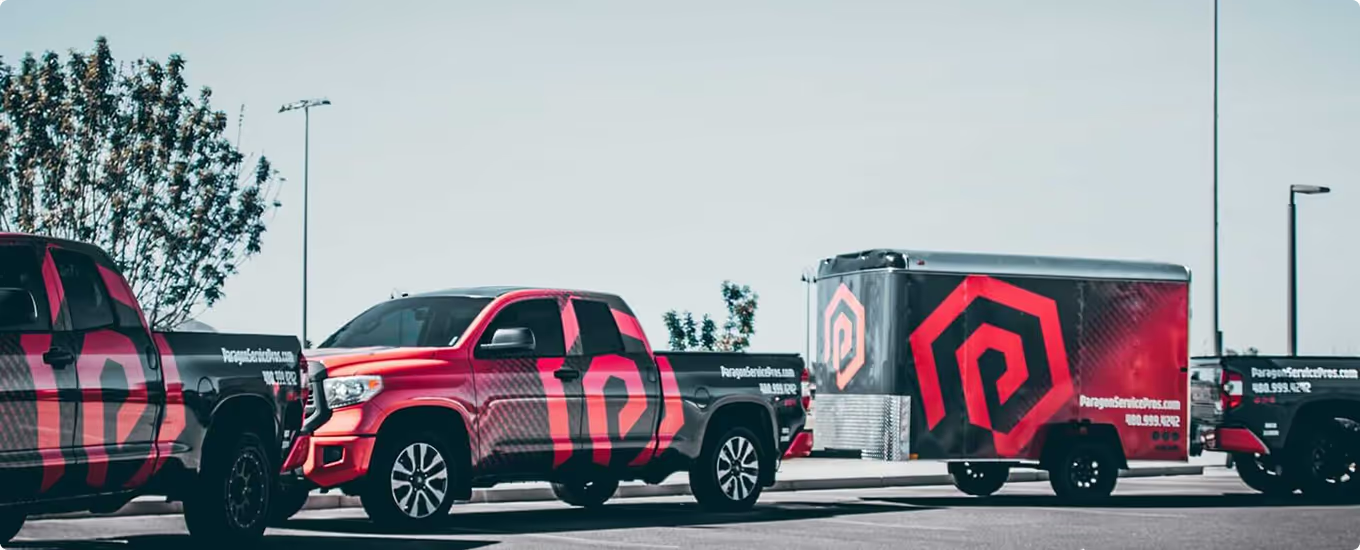
For homeowners in Arizona and Utah, Paragon Service Pros delivers unparalleled service and quality workmanship. We are committed to transparency and customer satisfaction, ensuring your furnace installation is a smooth and stress-free experience.
Why Paragon Service Pros?

Expert HVAC Services We Provide
Reliable service starts with experts you can trust in your home. We deliver honest, efficient solutions backed by skilled technicians who get the job done right the first time.


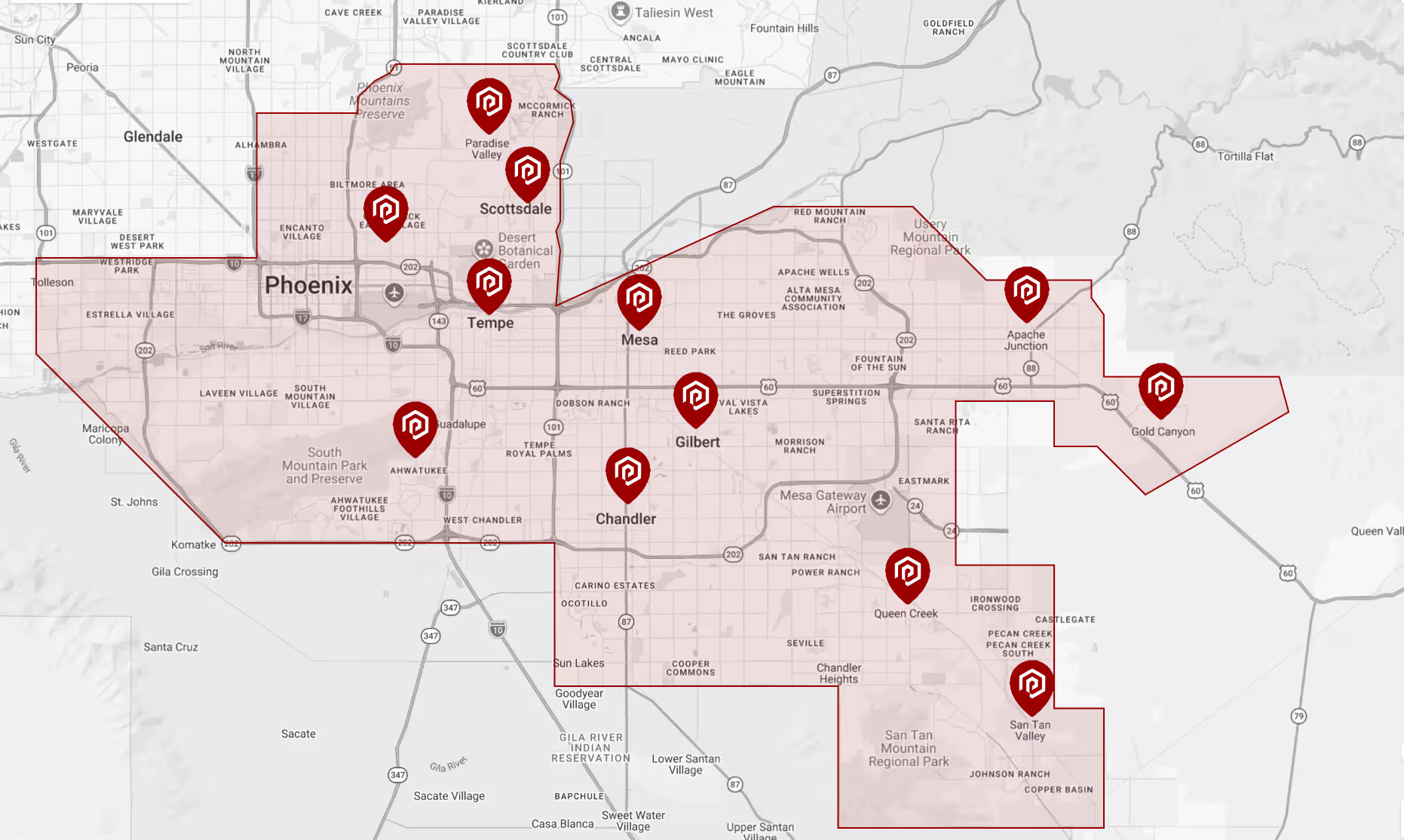
At Paragon Service Pros, we don’t just understand HVAC; we understand the Arizona heat. With local offices in Queen Creek and Tempe, we provide rapid, reliable cooling and heating solutions tailored to the East Valley lifestyle. Whether you’re dealing with a mid-July breakdown or looking to upgrade your home’s efficiency, our team is right around the corner, ready to serve our neighbors with integrity.

24/7 Emergency HVAC Repair & Diagnostics
Energy-Star® Certified System Installations
Full-Service Heating & Cooling System Maintenance
Custom Ductwork Design & Airflow Optimization
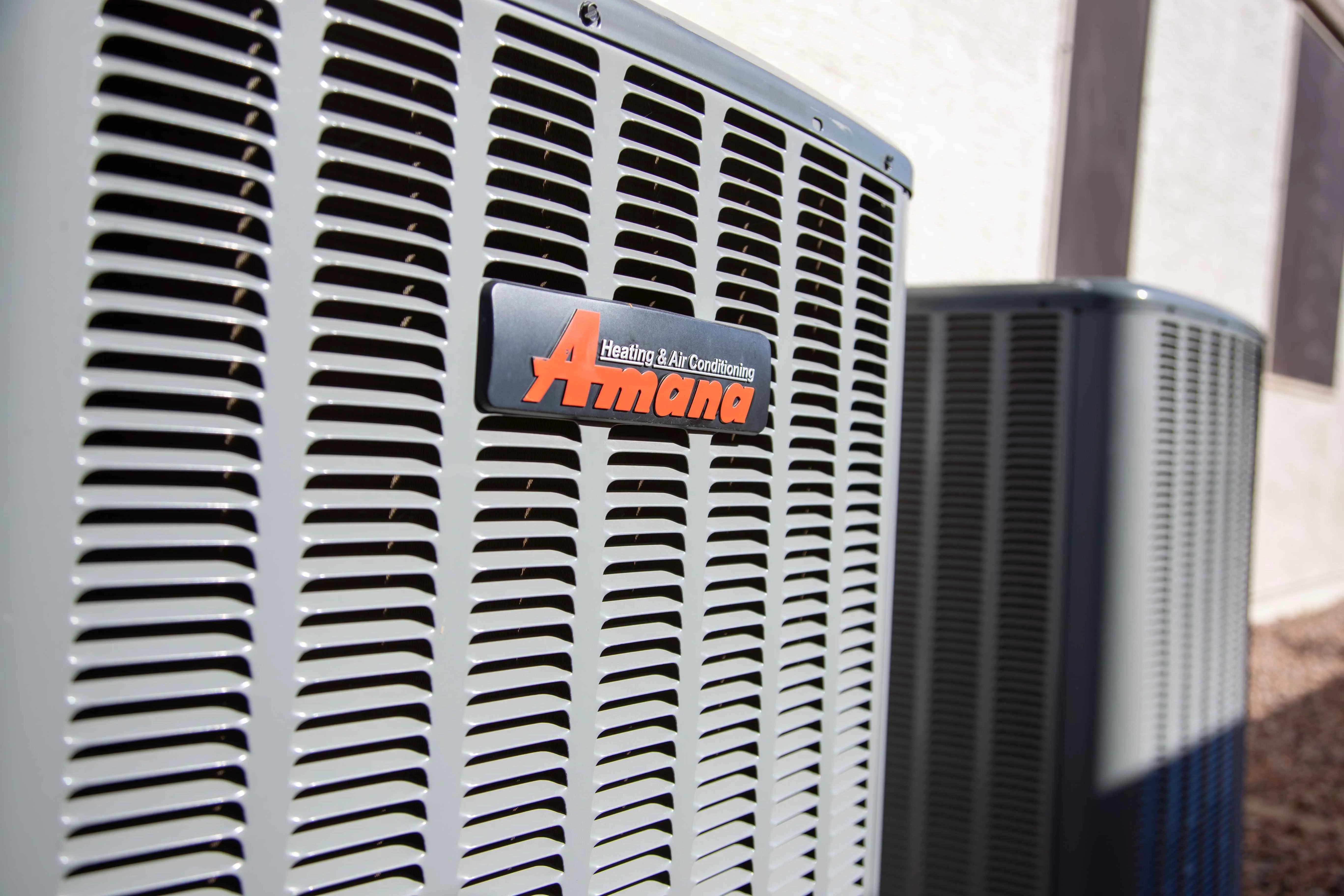
In Arizona, a working AC isn't a luxury—it's a necessity. Our Tempe and Queen Creek teams specialize in high-efficiency cooling systems designed to withstand 110°+ temperatures. From emergency repairs to new system installations, we ensure your Arizona home remains a sanctuary from the desert heat.
Emergency AC Repair & 24/7 Troubleshooting
Precision Tune-Ups & Seasonal Maintenance
High-Efficiency AC Installation & Replacement
Multi-Zone Ductless Mini-Split Systems
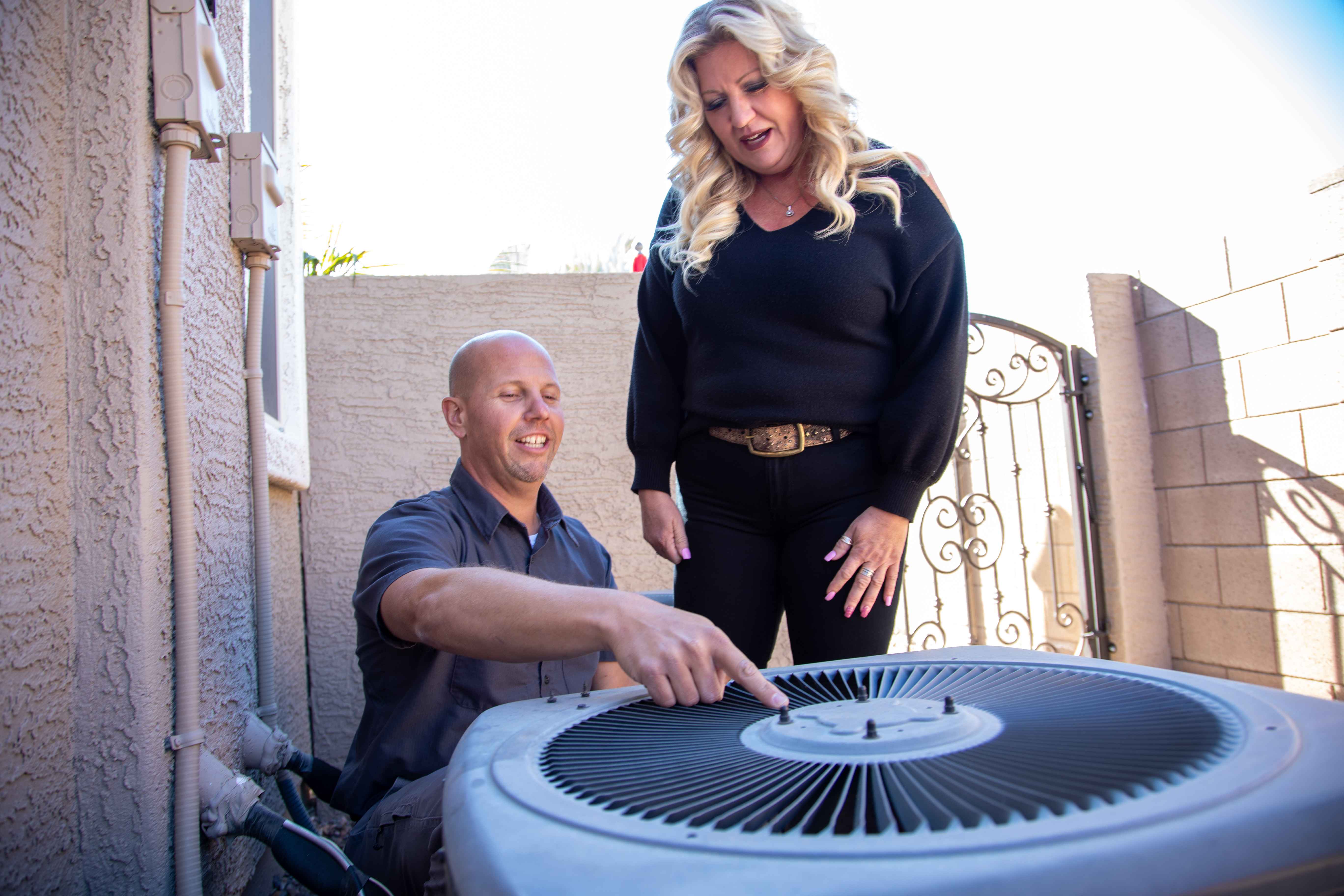
Desert nights can get surprisingly cold. Our expert technicians ensure your heater or furnace is ready for the Arizona winter. We provide fast, honest heating services to keep your family cozy when the sun goes down over the Superstitions.
Expert Furnace Repair & Maintenance
Reliable Heat Pump Services
Energy-Efficient Heating Installation
Emergency Heating Support
_11zon.jpg)
Our heat pump services provide efficient year-round comfort with reliable heating and cooling in one system. We deliver expert repairs, quality installations, and routine maintenance to keep your equipment performing at its best. With our trusted team, you get dependable comfort and energy savings season after season.
Dual Heating & Cooling
Eco-Friendly Comfort
Energy-Efficient Performance
Lower Your Electric Bill
Quiet, Reliable Operation
Long-Term Durability
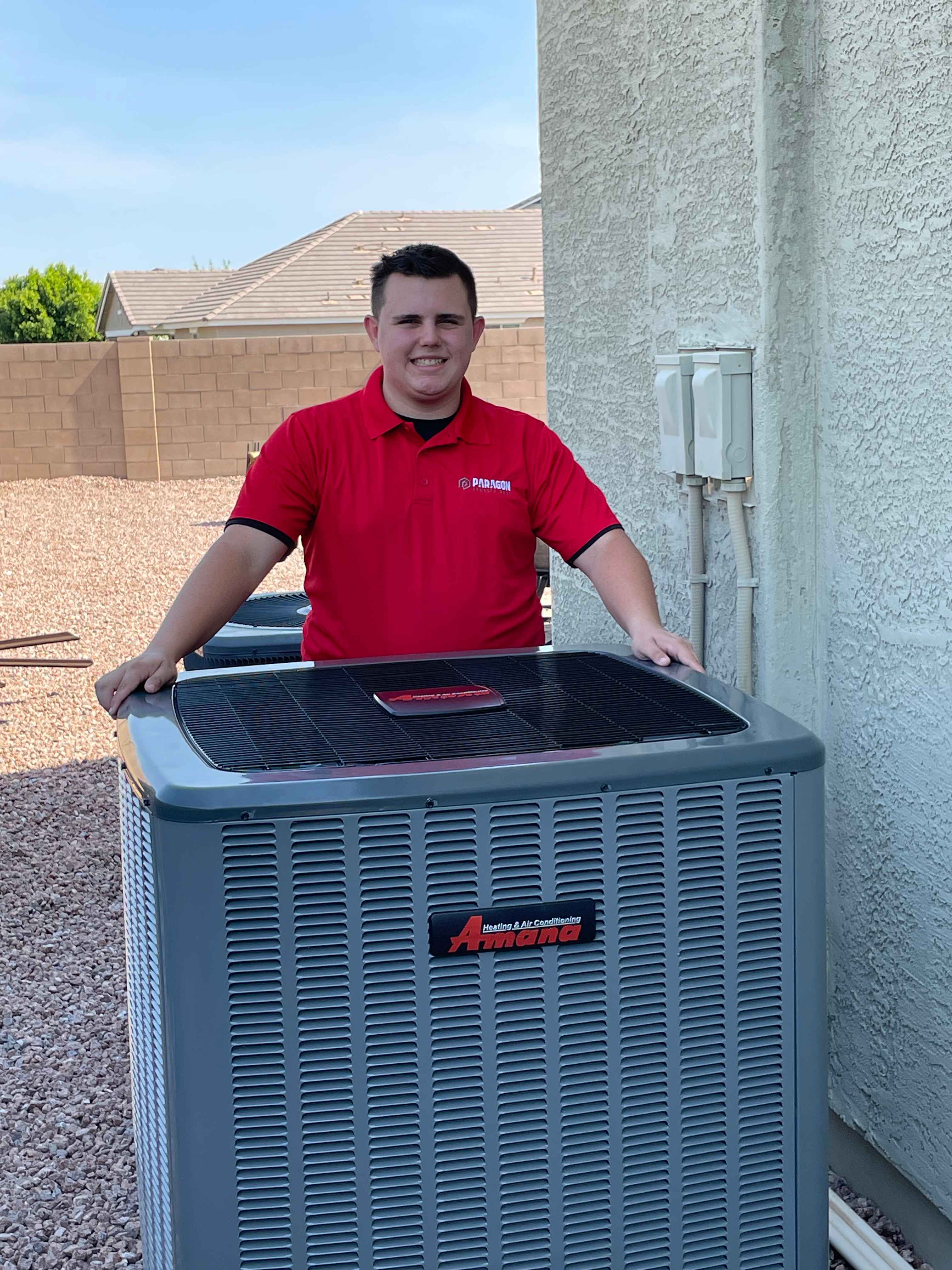
Maximize every inch of your home, from your garage workshop to your Arizona Room. Our ductless mini-split solutions provide targeted comfort for those unique desert spaces that traditional central air can't reach. Perfect for Queen Creek custom homes and Tempe renovations.
High-Efficiency Ductless Cooling
Improved Indoor Air Quality
Precision Temperature Control
Rapid Installation
Smart Home Ready
Professional Ductless Installation

Customer Testimonials
Our customers consistently praise our fast response times, honest communication, and the dependable results they can feel in their home.
How Queen Creek's Afternoon Sun Bakes South-Facing Condensers (And the Shade Solutions That Actually Work)
July 24, 2026
.svg)
Choosing Between a Capacitor Replacement and a New Condenser When Your AC Fails at 110 Degrees
July 23, 2026
Why Topping Off Your AC Freon Every July is Costing You More Than a Permanent Leak Fix
July 22, 2026
SERVICE AREAS