
Sparkling Coils, Cooler Home: Your Guide to AC Cleaning
Boost AC efficiency & save on bills! Learn DIY AC coil cleaning steps for a cooler home & better air quality. Get expert tips.

Why AC Coil Cleaning is Essential for Arizona Homeowners
AC coil cleaning is one of the most important maintenance tasks for keeping your air conditioning system running efficiently. Here's what you need to know:
Quick AC Coil Cleaning Guide:
- What to clean: Evaporator coils (indoor) and condenser coils (outdoor)
- How often: At least once yearly, every 3-6 months in dusty Arizona conditions
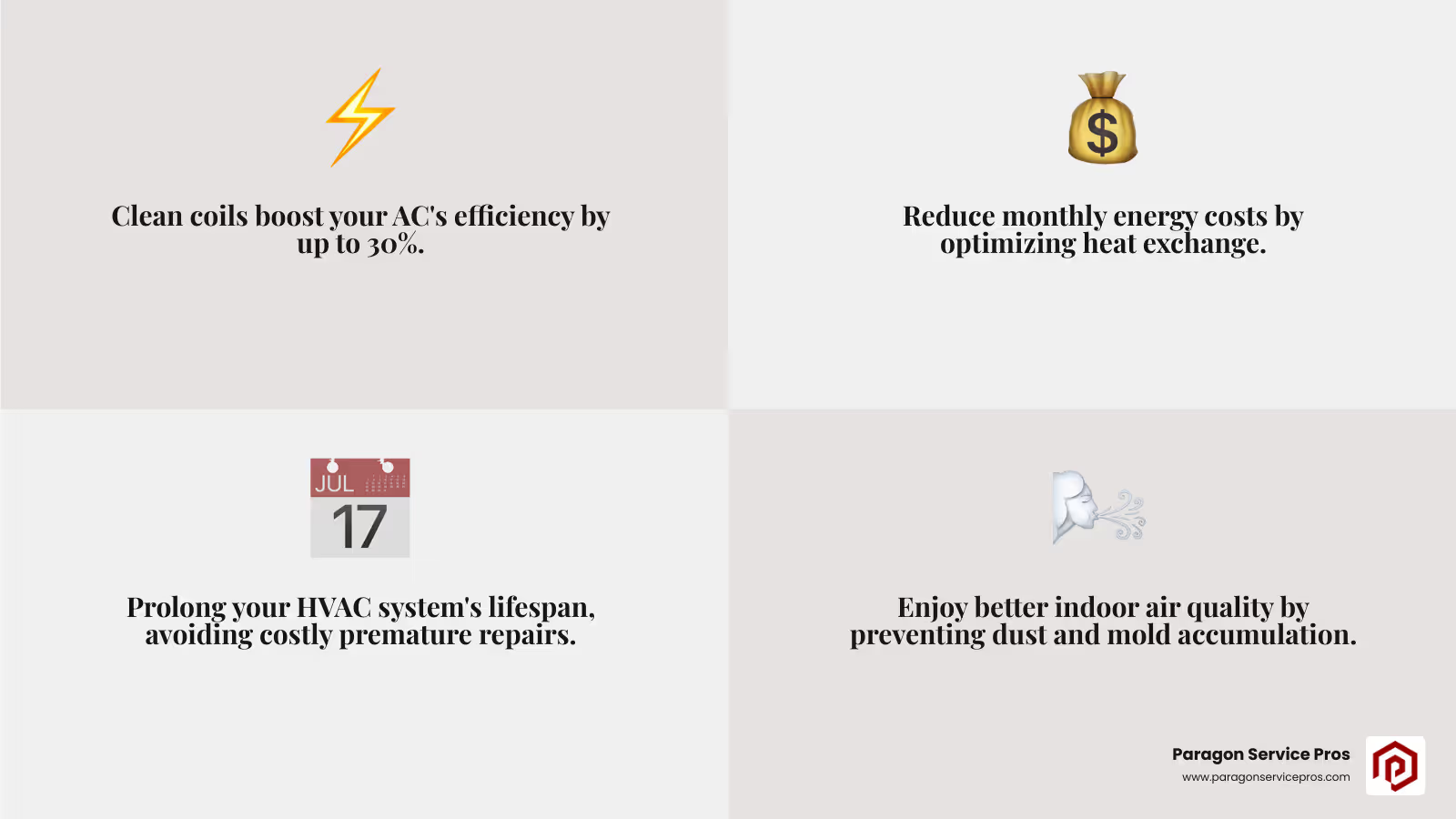
- Why it matters: Dirty coils can reduce efficiency by up to 30% and increase energy bills
- Basic process: Turn off power → Apply coil cleaner → Gently brush → Rinse carefully
- When to call pros: Heavy buildup, mold growth, or damaged coils
Your AC coils are the heart of your cooling system's heat exchange process. The evaporator coils inside your home absorb heat from your indoor air, while the condenser coils outside release that heat to the environment. When these coils get clogged with dirt, dust, and debris - especially common in Arizona's dusty climate - your system has to work much harder to keep you cool.
The impact is immediate and costly. A dirty coil acts like insulation, preventing proper heat transfer and forcing your compressor to run longer. This translates to higher energy bills, reduced comfort, and increased wear on your entire HVAC system. In Arizona's extreme heat, a struggling AC system isn't just expensive - it can leave you sweltering when you need cooling most.
Regular coil cleaning restores your system's efficiency, extends its lifespan, and keeps your energy costs under control. Whether you tackle it yourself or hire professionals, clean coils are non-negotiable for reliable cooling performance.
Why Clean Coils are Crucial for Your AC System
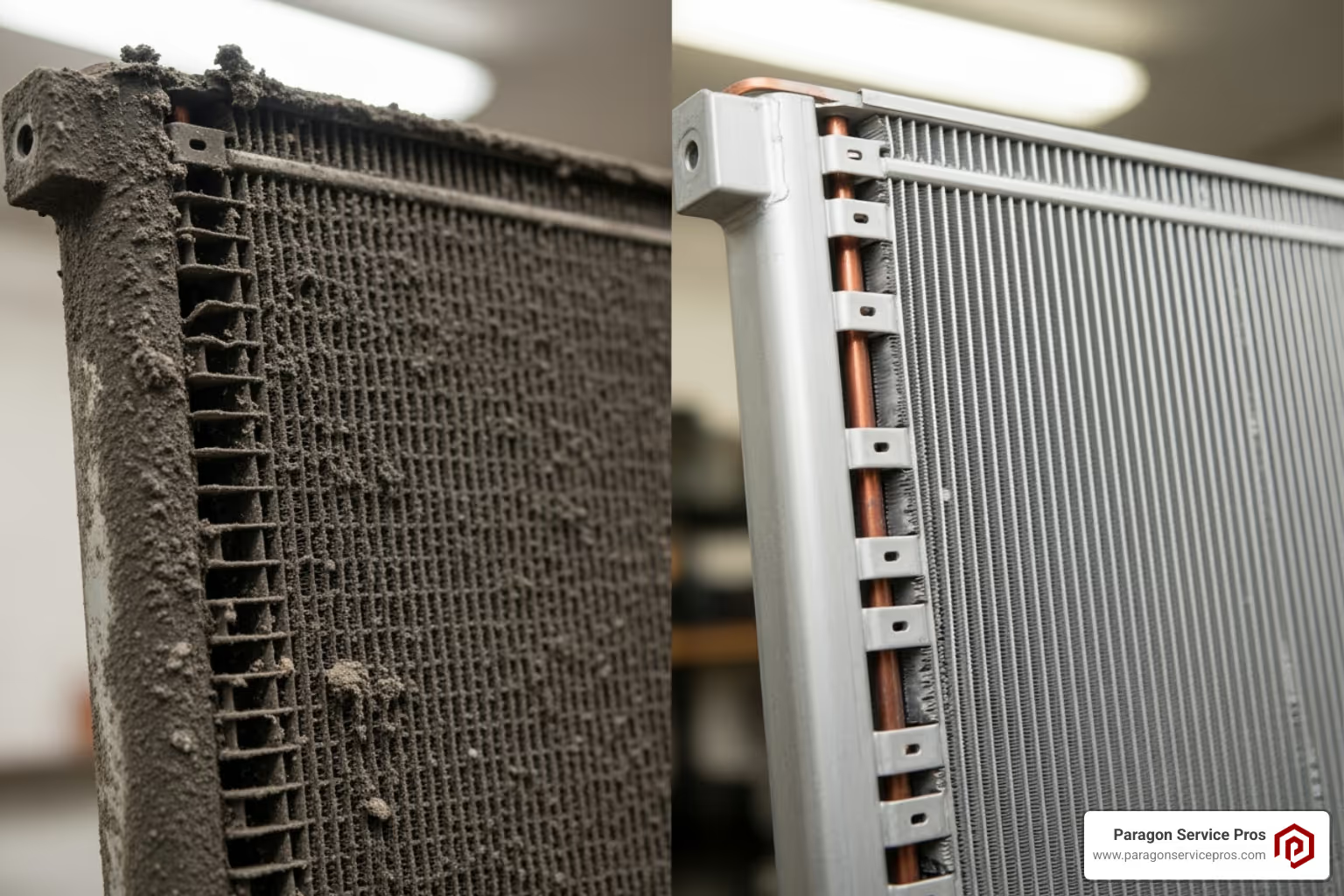
Think of your AC coils as the lungs of your cooling system. When they're clogged with dirt and debris, your air conditioner essentially can't breathe properly. This creates a domino effect of problems that can turn your comfortable Arizona home into an expensive headache.
When coils get dirty, reduced efficiency becomes your first unwelcome visitor. Your system struggles to transfer heat effectively, working much harder to deliver the same cooling. A dirty AC coil can reduce efficiency by up to 30% - that's like having your car's engine working with a third of its power while still burning the same amount of gas.
The immediate result? Increased energy bills that seem to climb higher each month. Your AC runs longer cycles, trying desperately to reach the temperature you've set. This constant overwork puts tremendous system strain on critical components like your compressor, condenser fan, and blower motor.
Over time, this stress leads to premature wear on parts that should last for years. Components break down faster, and you'll start noticing the warning signs we discuss in our guide about Air Conditioner SOS: Warning Signs Your Air Conditioner Needs Repair. The worst-case scenario? Compressor failure - one of the most expensive repairs your AC can face, often costing more than half the price of a new system.
The Importance of Regular AC Coil Cleaning
Regular AC coil cleaning transforms your system from a struggling, inefficient energy hog into the smooth-running cooling machine it was designed to be. When your coils are clean, you'll immediately notice improved cooling performance. Your home reaches the desired temperature faster and maintains it more consistently.
Lower energy consumption follows naturally. Clean coils allow for efficient heat exchange, meaning your system doesn't have to run as long or work as hard. Many homeowners see noticeable drops in their utility bills within the first month after cleaning.
Perhaps most importantly, proper coil maintenance leads to an extended HVAC lifespan. When your system isn't constantly stressed, components last longer and perform better throughout their intended life. It's like the difference between sprinting a marathon and maintaining a steady pace - one approach burns you out quickly, while the other helps you go the distance.
Better indoor air quality is another significant benefit that often surprises homeowners. Dirty coils become breeding grounds for mold, bacteria, and allergens that get circulated throughout your home every time your system runs. Clean coils mean cleaner air for your family to breathe.
Clean coils also help with prevention of freezing, a common problem where restricted airflow causes ice to form on the evaporator coil. This ice formation can damage your system and leave you without cooling when you need it most. For more ways to keep your system running efficiently, check out our tips for Maximizing Energy Efficiency: Tips for Your AC Unit.
Understanding Your AC Coils and Spotting Trouble
Your AC system uses two main types of coils to keep your home cool. Evaporator coils live inside your home, usually in the air handler or above your furnace. These coils absorb heat from your indoor air as warm air passes over them. The refrigerant inside these coils captures that heat and carries it outside.
Condenser coils are located in your outdoor unit. Here, the refrigerant releases the heat it collected from inside your home. Both sets of coils feature thin aluminum fins that maximize surface area for heat exchange - but these same fins easily trap dirt, dust, and debris.
Your AC system will tell you when its coils need attention. Reduced airflow from your vents often signals the beginning of trouble. You might notice warm air coming from vents that should be blowing cold, or your home struggles to reach the temperature on your thermostat.
Unusual noises like hissing, buzzing, or grinding can indicate your system is working harder than it should. Musty smells from your vents often mean mold or mildew has found a home on dirty coils - especially common in Arizona's occasional humid periods.
Sometimes you can spot visible dirt on outdoor condenser coils through the protective grille. Look for layers of dust, leaves, or grass clippings coating the fins. Higher energy bills without explanation often point to an inefficient system struggling with dirty coils.
Watch for ice formation on coils or refrigerant lines - this clearly indicates restricted airflow from dirt buildup and needs immediate attention to prevent system damage.
Your Complete Guide to DIY AC Coil Cleaning
Ready to give your AC coils some much-needed TLC? While AC coil cleaning might sound intimidating, it's actually a manageable weekend project for most homeowners. Think of it as giving your hard-working AC system a well-deserved spa day – and trust us, your energy bills will thank you for it.
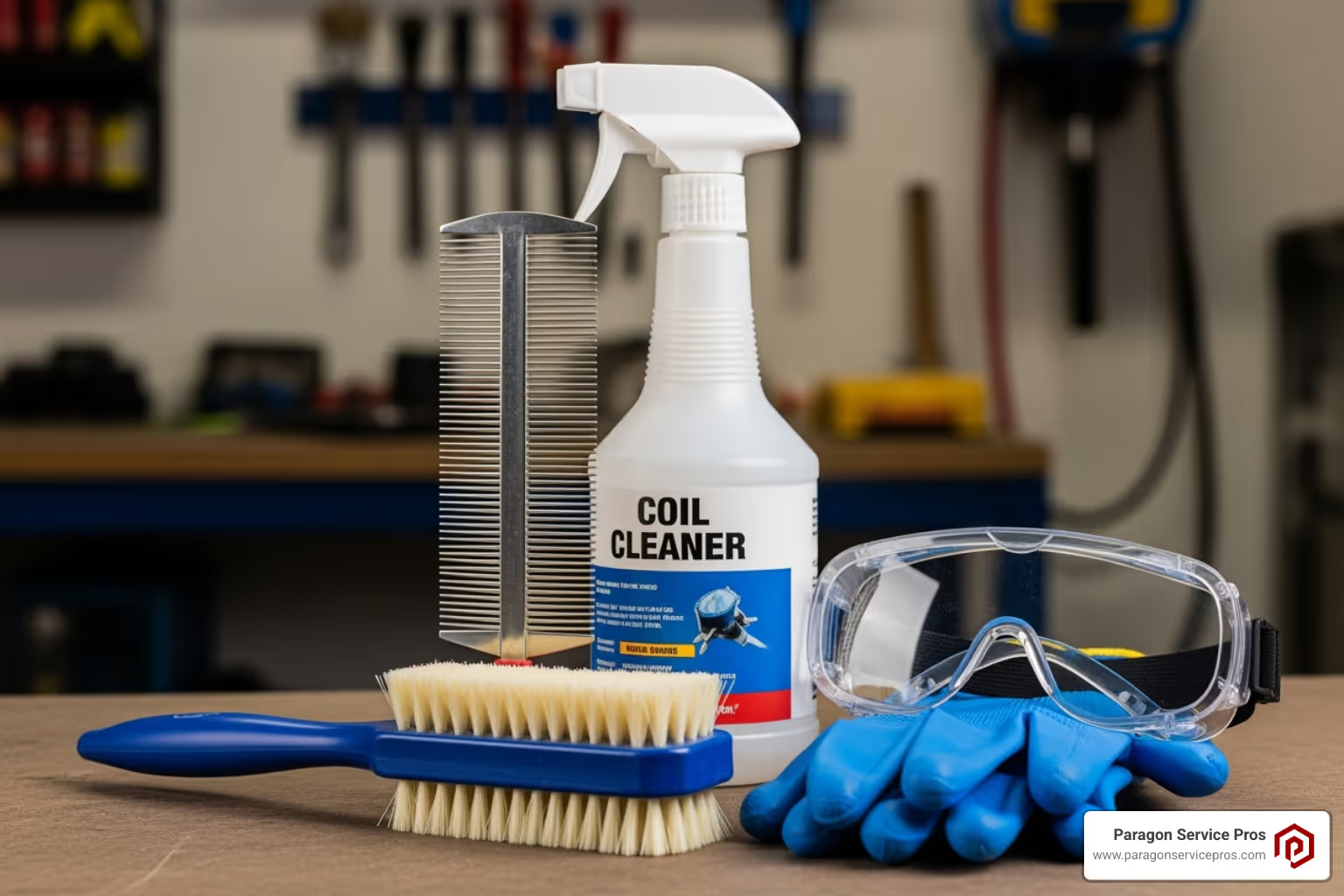
Before we dive in, let's talk safety. Your AC unit might look harmless sitting there, but those delicate aluminum fins can be surprisingly sharp, and you'll be working with cleaning chemicals. Safety gear is non-negotiable – grab some protective gloves and safety glasses before you start. We've seen too many DIY projects turn into emergency room visits over something as simple as forgetting goggles.
Here's what you'll need for the job: a soft-bristled brush (think old toothbrush, not scrub brush), a fin comb for straightening bent fins, your chosen coil cleaner, and a garden hose with a spray nozzle for outdoor units. For indoor work, you'll want a vacuum with a brush attachment instead of the hose.
Living here in Arizona means dealing with our famous dust storms – those massive haboobs that seem to coat everything in a fine layer of desert dust. Your AC coils get hit particularly hard by this constant barrage of dirt and debris. While routine maintenance is definitely something you can handle, heavily clogged coils or signs of mold growth might be worth calling in the pros. For more guidance on keeping your system running smoothly through Arizona's challenging seasons, check out our guide on Seasonal HVAC Maintenance: Preparing Your System for Year-Round Comfort.
Choosing the Right AC Coil Cleaner
Walking down the cleaning supply aisle can feel overwhelming with all the coil cleaner options staring back at you. Let's break down what actually works and when to use it.
Foaming cleaners are the heavy hitters of the coil cleaning world. They expand into every nook and cranny, giving them extended contact time to break down stubborn grime and grease. The foam action literally pushes dirt out as it works, which is pretty satisfying to watch. The downside? They can be trickier to rinse completely, and if you don't get all the residue off, you might end up with buildup that attracts more dirt later.
Non-foaming cleaners take a gentler approach. They're easier to work with and rinse off thoroughly, making them perfect for regular maintenance cleaning or if you're new to DIY coil care. However, they might not pack enough punch for heavily soiled coils that haven't been cleaned in years.
Type of CleanerProsConsFoaming Cleaners- Deep cleaning action
- Extended contact time for stubborn grime
- Better penetration into coil crevices- Can be harder to rinse thoroughly
- May leave residue if not rinsed properly
- Some strong formulas can damage older fins if over-appliedNon-foaming Cleaners- Generally gentler on coils
- Easier to rinse off, leaving less residue- Less effective on heavy, caked-on grime
- May require more scrubbing for tough spots
Don't overlook homemade solutions either. A simple mix of mild dish detergent and warm water works wonders for light cleaning. For something with a bit more cleaning power, try equal parts white vinegar and water in a spray bottle – it's especially effective against light mold or mineral deposits. These DIY options are gentle on both your coils and your wallet.
How to Clean Outdoor Condenser Coils (Step-by-Step)
Your outdoor condenser unit takes a beating from the elements, collecting everything from cottonwood fluff to dust storm debris. Here's how to get it back in fighting shape.
Turn off the power first – this isn't optional. Head to your electrical panel and flip the breaker for your AC unit. Also turn off your thermostat inside. We know it seems obvious, but you'd be surprised how many people skip this crucial safety step.
Clear away the obvious debris around and on top of the unit. Pull out leaves, grass clippings, and any other junk that's accumulated. You want at least two feet of clear space around the entire unit for proper airflow.
Remove the protective grille carefully. Most units have screws or clips holding the top cover in place. Take your time here – there might be wires connected to the fan motor, so don't just yank it off. Set everything aside where you won't lose the hardware.
Take a moment to inspect the fins for damage. These thin aluminum strips bend easily, and bent fins restrict airflow. Use your fin comb to gently straighten any that are flattened or twisted. Work slowly – these fins are more delicate than they look.
Apply your chosen cleaner generously, working from the inside of the coils outward. This helps push dirt out rather than deeper into the coils. Let the cleaner do its work for the recommended time – usually 5 to 15 minutes for most products.
Rinse gently but thoroughly with your garden hose set to a wide, gentle spray. Never use a pressure washer – the high pressure can damage the fins and force debris deeper into the coils. Work from inside out again, and make sure you've rinsed away all the cleaner to prevent residue buildup.
Reassemble everything once the coils have had time to air dry. Reattach the fan assembly and protective grille, then restore power at both the breaker and thermostat.
How to Clean Indoor Evaporator Coils (Step-by-Step)
Indoor evaporator coils require a more delicate touch since they're tucked away inside your air handler and can't be hosed down like their outdoor cousins.
Power off the system completely – both at the thermostat and the main breaker. Indoor coils are surrounded by electrical components, so this step is even more critical.
Access the coils by locating and removing the access panel on your air handler. This might require consulting your owner's manual, as panel locations vary by manufacturer. Some units have removable panels, while others might need a professional to create access.
Gently brush away loose debris using a soft brush or vacuum with a brush attachment. Always brush in the direction of the fins to avoid bending them. Take your time – rushing this step often leads to damaged fins.
Apply a no-rinse coil cleaner designed specifically for indoor use. These special formulas are designed to drip harmlessly into the condensate pan below, where they'll drain away naturally with the system's condensate water. This eliminates the messy (and potentially damaging) need to rinse inside your home.
Clean the drain pan while you're in there. This pan sits beneath the evaporator coils and collects moisture. If it's gunked up with algae or slime, clean it out with warm water and a little vinegar or bleach. Make sure the drain line is clear too – a clogged drain can cause water damage.
Let everything dry completely before reassembling – we're talking 4 to 6 hours minimum. Once dry, replace the access panel and restore power. Your system should now run noticeably more efficiently.
Common Mistakes and When to Call a Professional
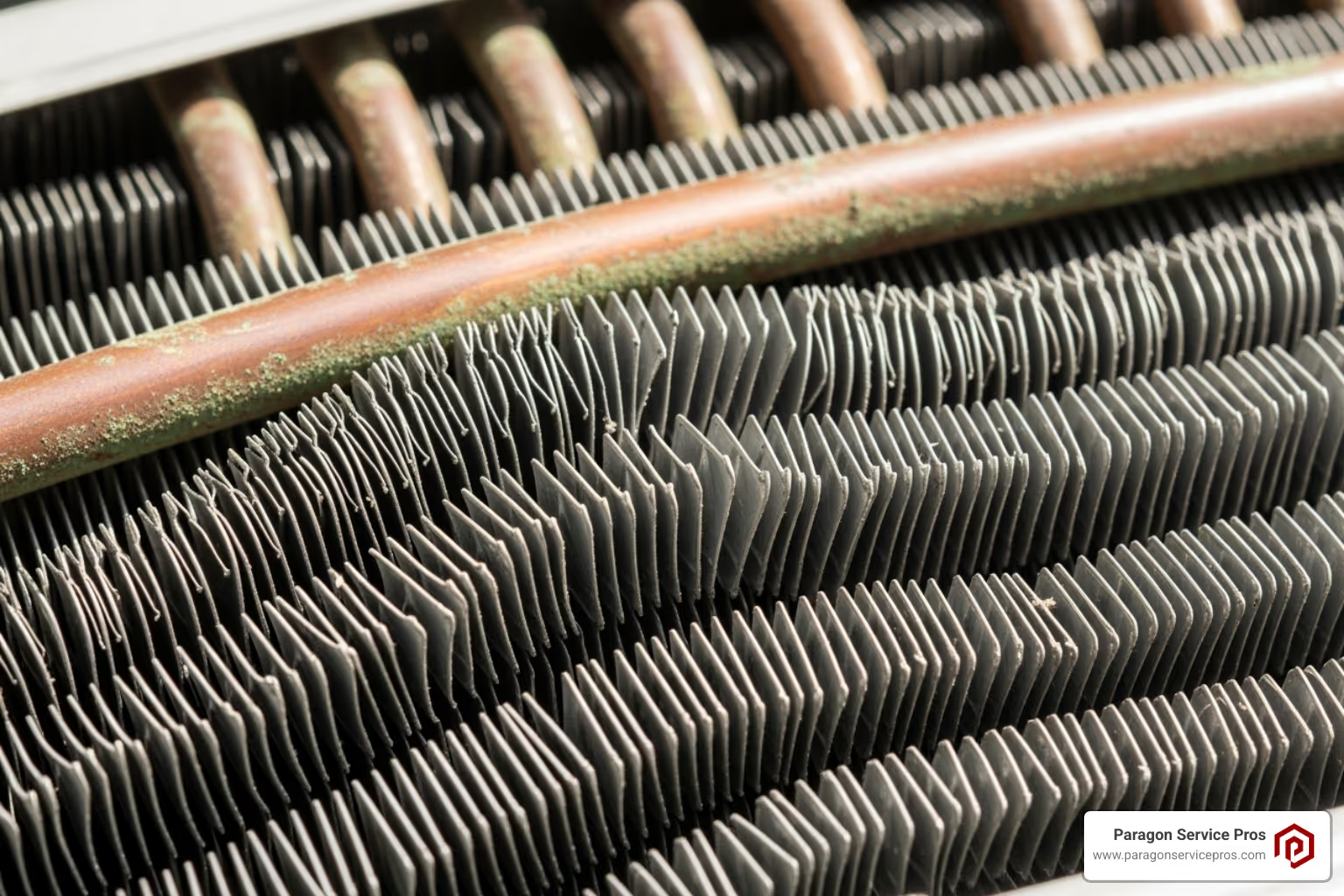
Let's be honest – AC coil cleaning can feel like a straightforward task, but it's surprisingly easy to turn a simple maintenance job into an expensive repair nightmare. We've seen well-meaning homeowners accidentally cause hundreds of dollars in damage with one wrong move. The good news? Most of these mishaps are completely preventable once you know what to watch out for.
The biggest culprit we encounter is homeowners reaching for their pressure washer, thinking they'll blast away years of grime in minutes. Those delicate aluminum fins aren't designed for high-pressure water – they'll crumple like tissue paper, severely restricting airflow and making your AC work harder than before you cleaned it. It's like trying to breathe through a pinched straw!
Another costly mistake is using harsh chemicals like bleach or household cleaners. These can corrode the copper tubing, damage surrounding components, or create dangerous fumes. We've also seen homeowners skip the crucial step of turning off power, leading to electrical shorts or dangerous situations. Bending coil fins during cleaning is another common issue that can actually make your system less efficient than when you started.
Perhaps most dangerously, some folks forget to turn off power entirely, risking electrical shock or damage to sensitive components. For guidance on finding qualified professionals when DIY isn't the right choice, check out How to Choose the Best HVAC Service Provider: Key Questions to Ask.
Common Mistakes in DIY AC Coil Cleaning
The most frequent error we see is skipping safety gear. Those thin fins are surprisingly sharp, and even mild coil cleaners can irritate your skin and eyes. Always wear gloves and safety glasses – it's a small step that prevents painful accidents.
Using the wrong tools is another recipe for disaster. Wire brushes, steel wool, or anything abrasive can scratch coil surfaces, leading to corrosion or even refrigerant leaks. Stick with soft brushes and proper fin combs designed specifically for HVAC work.
Many homeowners also struggle with incomplete rinsing, especially on outdoor units. Leaving cleaner residue behind actually attracts more dirt and can corrode coils over time. If your cleaner requires rinsing, take the time to flush it thoroughly.
The most heartbreaking mistake is damaging delicate fins through rough handling or using too much pressure. These fins are crucial for heat transfer – when they're bent or crushed, your AC's efficiency plummets. Finally, neglecting surrounding areas like clearing debris around the outdoor unit or checking the condensate drain can undermine all your hard work.
When Professional Help is the Smart Choice
Sometimes the smartest move is knowing when to step back and call in the experts. Heavy buildup that's accumulated over years often requires professional-grade equipment and specialized cleaners that aren't available to homeowners.
If you notice signs of mold or bacteria on your coils, this becomes a health issue that requires proper protective equipment and antimicrobial treatments. The EPA provides detailed information about mold risks and why professional remediation is often necessary.
Suspected refrigerant leaks are absolutely a job for professionals. If you hear hissing sounds, see ice forming on lines, or notice your system isn't cooling properly, don't attempt coil cleaning. Refrigerant requires special handling and EPA certification to work with safely.
Damaged coils that show signs of corrosion, bent fins, or other wear need professional assessment. Attempting to clean already-compromised coils can worsen the damage and lead to expensive repairs.
Finally, if you simply lack confidence or time to do the job properly, there's no shame in calling professionals. A rushed or uncertain cleaning job often causes more problems than it solves. Our team provides comprehensive AC repair services in Utah and throughout Arizona, ensuring your AC coil cleaning is done safely and effectively the first time.
Frequently Asked Questions about AC Coil Cleaning
We get these questions about AC coil cleaning all the time from homeowners across Arizona and Utah. Let's clear up the confusion and give you the straight answers you need.
How often should AC coils be cleaned?
Here's the simple truth: most homes need AC coil cleaning at least once a year. Spring is usually the sweet spot – right before you start cranking up the AC for those scorching Arizona summers.
But here's where it gets interesting. If you live in dusty areas like Chandler, Gilbert, Mesa, Queen Creek, or San Tan Valley (basically anywhere those famous dust storms roll through), you'll want to check your coils every 3-6 months. The desert doesn't mess around when it comes to coating your equipment with grime.
Got pets? You're in the same boat as our dusty-climate friends. Pet hair and dander love to stick to coils, so more frequent cleaning keeps everything running smoothly. Commercial units or homes in high-pollen areas might need attention 2-4 times a year.
Your manufacturer's recommendations are worth checking too, since different units have slightly different needs. The bottom line? Your usage patterns, local air quality, and whether Fluffy sheds like it's her job all play a role in how dirty your coils get.
Does cleaning AC coils make the air colder?
Absolutely! This is one of our favorite questions because the answer is such a clear yes. When you clean your AC coils, you'll definitely notice colder air coming from your vents.
Think of dirty coils like wearing a thick winter coat in July – they're wrapped in an insulating blanket of grime that blocks proper heat exchange. Your evaporator coils can't absorb heat from your indoor air effectively, and your condenser coils struggle to release that heat outside. The result? Your AC works overtime but can barely manage to blow lukewarm air.
Clean those coils, and it's like taking off that winter coat. Suddenly, the refrigerant can do its job properly – absorbing heat efficiently and releasing it where it belongs. The heat transfer process works like it's supposed to, and you get that beautifully cold air that makes Arizona summers bearable.
Your system won't just blow colder air – it'll reach your desired temperature faster and maintain it more easily. That's the magic of proper heat exchange at work.
How do air filters help keep coils clean?
Your air filter is basically the bodyguard for your evaporator coil. It stands right at the entrance, stopping dust, dirt, pet dander, pollen, and all sorts of airborne nastiness before these particles can march onto your coil and set up camp.
When your filter is clean and doing its job, it's like having a really good bouncer – nothing unwanted gets through. But when that filter gets clogged or dirty, it's like the bouncer took a coffee break. All those contaminants bypass the filter and head straight for your delicate coil fins.
This is why we always tell our customers that changing your air filter regularly is the easiest way to keep your coils cleaner for longer. In dusty Arizona, we recommend checking your filter monthly and replacing it when it looks dirty. It's a small investment that pays huge dividends in keeping your AC coil cleaning intervals reasonable.
A high-quality filter with the right MERV rating for your system takes this protection even further. It's like upgrading from a standard bouncer to a highly trained security team – more stuff gets stopped before it can cause problems.
Keep Your Cool with Expert Maintenance
Think of AC coil cleaning as giving your air conditioner a refreshing spa day – it's not just about making it look pretty, but about keeping it healthy and happy for years to come. Throughout this guide, we've covered why clean coils are absolutely essential, how you can tackle the job yourself, and when it's smart to wave the white flag and call in the cavalry.
Here's the bottom line: preventative maintenance is like getting regular checkups at the doctor. It might seem unnecessary when everything's running smoothly, but it's the secret to avoiding those panic-inducing moments when your AC decides to take a vacation during Arizona's peak summer heat. Regular coil cleaning and system tune-ups don't just keep your home comfortable – they're your insurance policy against expensive surprises.
System longevity is where the real magic happens. A well-maintained AC system can serve your family faithfully for 15-20 years or more. But neglect those coils, and you might find yourself shopping for a replacement system much sooner than you'd planned. Clean coils mean your system doesn't have to work overtime, which translates to less wear and tear on all those expensive components.
That's where professional inspection becomes invaluable. While DIY maintenance is fantastic, our trained technicians can spot the subtle warning signs that might slip past even the most dedicated homeowner. We know what a healthy system sounds like, how it should perform, and what those little quirks might mean for your comfort down the road.
At Paragon Service Pros, we've seen how Arizona's dust storms and scorching temperatures can challenge even the toughest AC systems. We understand that your air conditioner isn't just an appliance – it's your lifeline to comfort and peace of mind. That's why we're committed to providing the kind of service that keeps your system running like a dream, year after year.
For comprehensive AC Maintenance that includes thorough coil cleaning and system tune-ups in Arizona, trust our expert team to keep your system running at peak performance. We believe in complete transparency, same-day service when you need it most, and treating your home with the same care we'd give our own. Ready to give your AC the attention it deserves? Schedule your AC maintenance today!
Keep reading: Air Conditioning
Browse every article in Air Conditioning or head back to the Learning Center .
Comfort you can count on, all year long.
Same-day service, honest diagnostics, and 24/7 emergency help with no overtime fees. A real Greater Phoenix team is standing by.