
Master Your AC: Simple Steps for Home Maintenance and Cleaning
Clear your clogged AC drain line with our step-by-step guide. Prevent water damage & odors. Maintain your AC drain line easily.

What is an AC Drain Line and Why Does It Matter?
Your AC drain line is a small but crucial component that removes moisture from your air conditioning system. Without it working properly, you're looking at water damage, mold growth, and costly repairs.
Quick Answer: What is an AC drain line?
- Function: Removes condensation water from your AC's evaporator coil
- Location: Usually a PVC pipe near your outdoor unit
- Purpose: Prevents water backup and damage to your home
- Problems: Can clog with algae, dirt, and debris over time
- Maintenance: Should be cleaned at least once per year
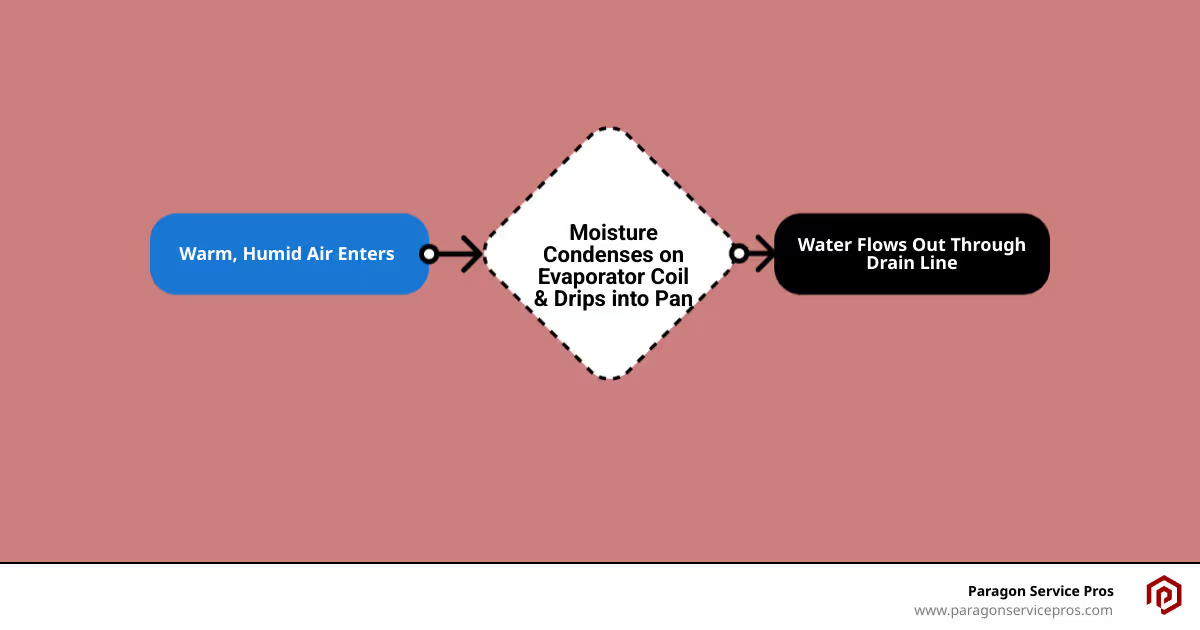
Here's how it works: When your AC cools warm Arizona air, moisture condenses on the cold evaporator coil inside your home. This water drips into a drain pan, then flows through the drain line to exit outside your house.
When this system fails, you get problems fast. Standing water can damage your ceiling, walls, and floors. Mold and mildew start growing in the moist conditions. Your AC might even shut down completely to protect itself from water damage.
The good news? Most drain line issues are preventable with simple maintenance. Many homeowners can handle basic cleaning themselves, saving hundreds in repair costs.
In Arizona's dusty climate, drain lines face extra challenges. Dust combines with moisture to create the perfect breeding ground for algae and clogs. Regular attention to your drain line isn't just smart - it's essential for keeping your cooling system running when you need it most.
Spotting the Trouble: Signs of a Clogged AC Drain Line
Picture this: you walk into your home after a scorching Arizona day, expecting that blessed cool air to greet you. Instead, you're hit with a musty smell and notice water pooling around your indoor unit. Not exactly the welcome home you were hoping for!
These telltale signs point to one common culprit - a clogged AC drain line. The good news? Once you know what to look for, you can catch these problems early and save yourself from bigger headaches down the road.
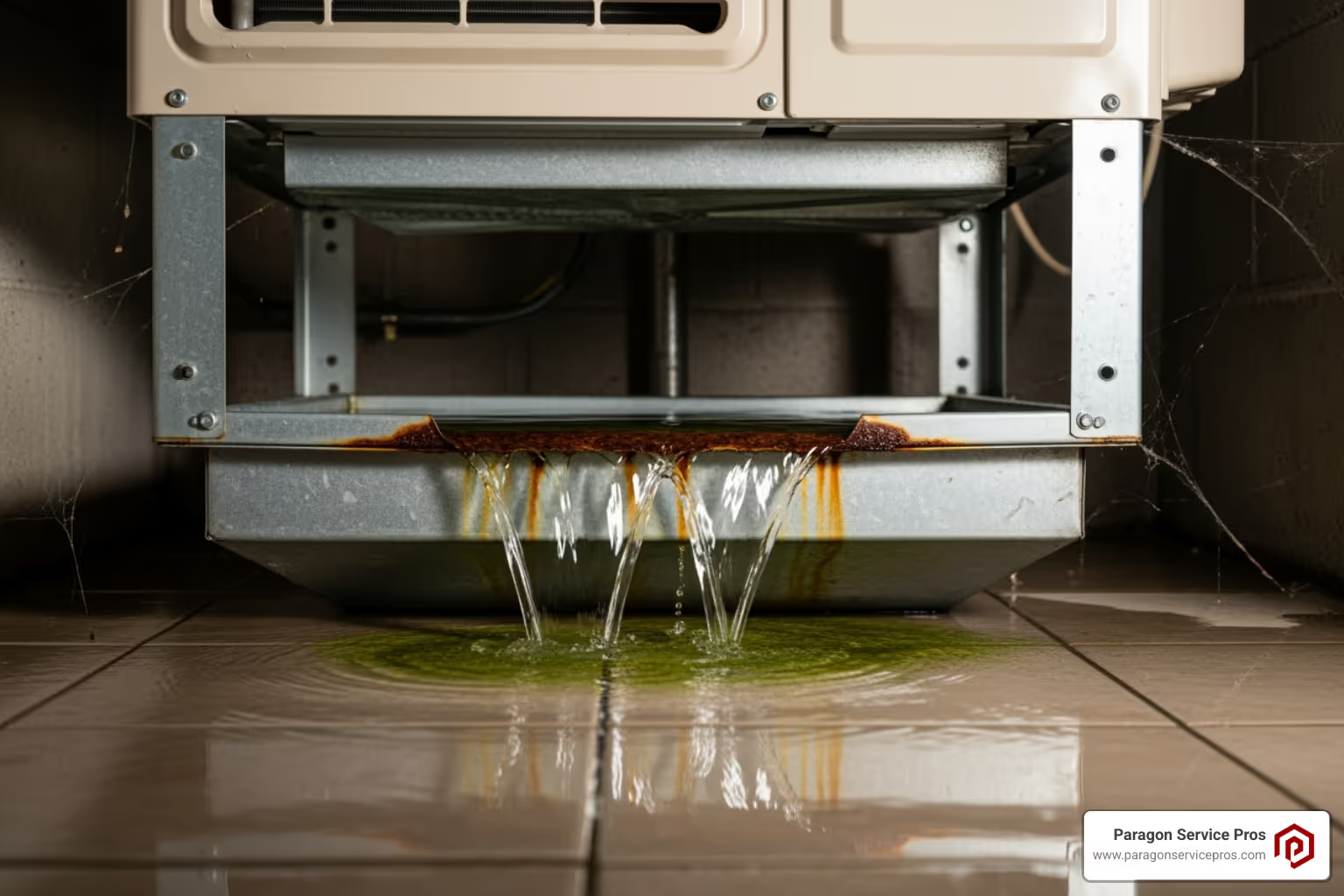
Water where it shouldn't be is often the first red flag. You might spot puddles around your indoor unit, or worse, water dripping from your ceiling if your system is in the attic. This happens because condensate water has nowhere to escape and starts overflowing the drain pan.
That musty, moldy smell is another dead giveaway. When water sits stagnant in your system, it creates the perfect breeding ground for mold and bacteria. If you catch a whiff of something funky near your AC unit, especially when it's running, your AC drain line is likely sending you an SOS.
Here's something that catches many homeowners off guard: your AC might suddenly stop working altogether. Modern systems are actually pretty smart - they have built-in safety switches that detect clogs and automatically shut down your AC to prevent water damage. So if your system refuses to turn on or keeps shutting off unexpectedly, a blocked drain could be the sneaky culprit.
Keep an eye out for visible mold or mildew growth around your drain pan or on the drain line itself. The dark, damp environment created by a clog is like an all-you-can-eat buffet for these unwanted guests.
Your home feeling unusually humid or muggy despite the AC running is another warning sign. When your drain line is blocked, your system struggles to remove moisture from the air effectively.
Don't ignore water stains on walls or ceilings near your indoor unit either. Those yellowish or brown marks tell the story of water damage that's been happening behind the scenes. Soft or spongy walls and baseboards are also serious red flags that need immediate attention.
If you're noticing several of these issues, check out our guide on 11 Signs Your AC Needs Professional Maintenance to see what other warning signals your system might be sending.
Common Causes of Blockages
So what exactly turns your AC drain line from a helpful water highway into a stubborn roadblock? It's usually a combination of factors that team up to create the perfect storm.
Algae and mold growth top the troublemaker list. Your drain line offers everything these organisms love - warmth, darkness, and plenty of moisture. Over time, they form a slimy buildup that gradually chokes off your pipe like a slow-growing cork.
Dirt and debris love to crash the party too. Dust, pet hair, and other airborne particles get sucked into your system, especially when air filters aren't changed regularly. Mix these particles with condensate water, and you've got yourself a recipe for sludge that would make any drain line cry uncle.
Improper installation can set you up for problems from day one. If your drain line doesn't have the right slope or has too many twists and turns, water can't flow freely. It's like trying to drink a thick milkshake through a bendy straw - frustrating and ineffective.
Sometimes frozen evaporator coils throw a wrench in the works. During Arizona's brutal summer heat, your AC works overtime and coils can actually freeze up. When they thaw, they dump a massive amount of water that can overwhelm an already struggling drain line.
But here's the big one: lack of routine AC Maintenance. Just like skipping dental cleanings eventually leads to cavities, ignoring your drain line maintenance allows small issues to snowball into major blockages.
The Consequences of Neglect
Thinking you can just ignore that little puddle or musty smell? Think again. A clogged AC drain line might seem like a minor annoyance, but the domino effect can be devastating.
Water damage to ceilings and walls is often the most expensive consequence. When your drain pan overflows, that water has to go somewhere. If your indoor unit is in an attic or closet, you're looking at damaged drywall, ruined insulation, and potentially compromised structural elements. The repair bills can easily climb into the thousands.
Mold and mildew create serious health risks, especially for family members with allergies or respiratory issues. These spores don't stay put - they spread throughout your home, turning your safe haven into a health hazard. The musty odor becomes the least of your worries.
Your energy bills start climbing because your system has to work overtime. When your AC drain line is blocked, your unit struggles to cool and dehumidify effectively. It's like asking someone to run a marathon while breathing through a straw - exhausting and inefficient.
Eventually, you'll need costly AC Repair Service to fix the damage. Water and electrical components don't play well together. Continuous overflow can fry sensitive parts inside your unit, turning a simple drain cleaning into a complex repair job.
The final blow? A shortened system lifespan. Constant strain from working harder combined with potential water damage to internal components means you'll be shopping for a new AC system years earlier than you should.
The bottom line is simple: paying attention to your drain line now saves you from paying much more later.
Your Step-by-Step Guide to Cleaning a Clogged AC Drain Line
Ready to tackle that stubborn clog? We're right there with you! Cleaning your AC drain line might sound intimidating, but it's actually one of those satisfying DIY wins that can save you hundreds in repair costs.
Before we dive in, let's talk safety. This is non-negotiable. Always turn off the power to your HVAC system before starting any maintenance work. Trust us - a few extra minutes of preparation beats a trip to the emergency room any day.
The good news? Most drain line clogs surrender pretty easily once you know what you're doing. We've walked countless Arizona homeowners through this process, and you'll be amazed at how straightforward it really is.
Tools and Materials for Cleaning Your AC drain line
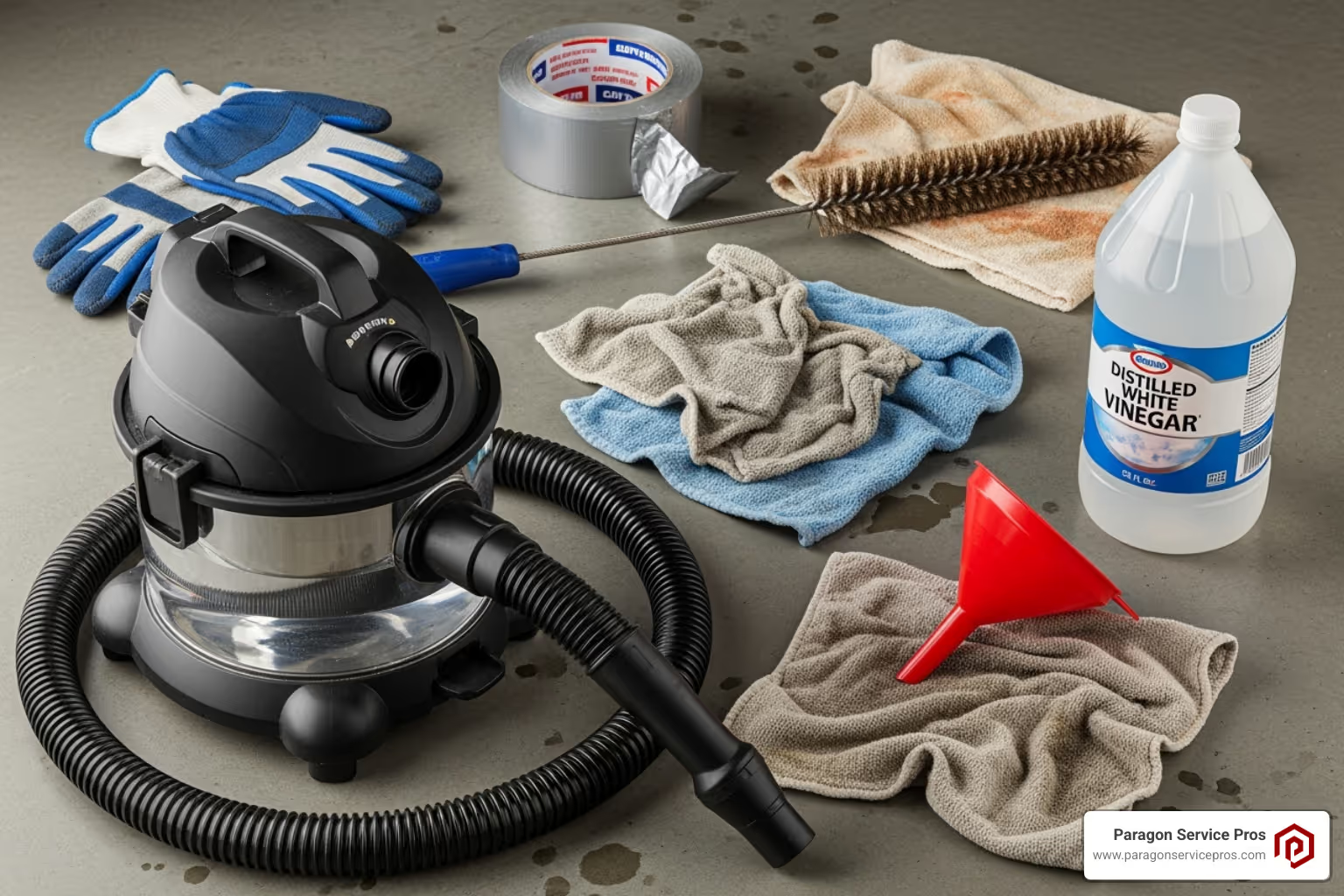
Think of this as your AC drain line rescue kit. Having everything ready before you start makes the whole process flow smoothly - no running around looking for supplies while water drips everywhere.
Your wet/dry vacuum is the star of this show. Even a small 1-gallon shop vac packs enough suction to pull out most clogs. If you don't own one, they're worth the investment for future home maintenance projects.
Distilled white vinegar is your secret weapon against mold and algae. It's gentle on your pipes but tough on the gunk that's blocking your line. Skip the fancy cleaners - plain white vinegar does the job perfectly.
You'll also need a funnel for neat pouring, rags for cleanup duty, a stiff wire brush for stubborn debris, duct tape to create airtight seals, and gloves to keep your hands protected. In some tricky situations, the right tubing for the job can help you reach blockages that seem determined to hide.
The Cleaning Process: A Detailed Walkthrough
Here's where the magic happens. Follow these steps, and you'll have that AC drain line flowing like new in no time.
Start with safety first. Head to your thermostat and switch your system to "off." Then find your electrical panel and flip the breaker that controls your indoor air handler. Double-check that everything's powered down - you should hear the system go completely quiet.
Now for some detective work. Locate your indoor air handler - it's usually hiding in a closet, attic, basement, or garage. Once you find it, look for a PVC pipe extending from the unit. This is your AC drain line.
Find the access point along this pipe. You're looking for a T-shaped fitting with a removable PVC cap, usually close to the air handler. When you remove this cap, don't be surprised if you see standing water or even spot the clog right there. If there's water in the drain pan under the unit, vacuum or soak it up first.
Here's where your wet/dry vac becomes the hero. Head outside and find where your drain line ends - that's where water normally drips out. Attach your vacuum hose firmly to this outdoor end. Use duct tape if needed to create a tight seal. Fire up that vacuum for a minute or two, and listen for the satisfying gurgle of the clog breaking free.

Time for the vinegar treatment. Back at the indoor access point, use your funnel to pour about 1/4 cup of distilled white vinegar into the line. This isn't just cleaning - it's declaring war on any remaining mold and algae. Let it sit for 30 minutes while the vinegar works its magic.
Finish with a water flush. After the vinegar has done its job, follow up with a cup or two of clean water. Have someone check outside to confirm water is flowing freely from the drain line end. If it's still sluggish, don't worry - just repeat the vacuum step.
Wrap things up by replacing the PVC cap, turning your breaker back on, and setting your thermostat to your preferred temperature. You should now see a steady drip from your outdoor drain line when the AC runs - that's the sweet sound of success!
If you run into persistent clogs or notice any damage during this process, it might be time to call in the pros. Sometimes a stubborn blockage needs professional equipment or there could be underlying issues that require expert attention.
Proactive Care: How to Prevent Future Clogs
Here's the thing about AC drain line clogs - they're a bit like weeds in your garden. You can pull them out all day long, but if you don't address the root cause, they'll just keep coming back. The good news? A little preventive care goes a long way toward keeping your drain line flowing freely.
Think of it this way: would you rather spend 15 minutes every few months doing some simple maintenance, or deal with water damage and emergency repair calls during Arizona's scorching summer heat? We thought so!
Create a Preventive Maintenance Schedule
The secret to a trouble-free AC drain line is consistency. You don't need to become an HVAC expert - just develop a simple routine that becomes second nature.
Monthly visual inspections are your first line of defense. Take a quick walk around your indoor unit and peek at the drain pan. Then step outside and check where your drain line terminates. Look for standing water, unusual drips, or that telltale slimy buildup that screams "algae party!" This two-minute check can save you hours of cleanup later.
Quarterly pan tablet treatments make prevention almost effortless. These little tablets dissolve slowly in your drain pan, releasing chemicals that keep mold and algae from setting up shop. Pop one in every three months and let it do the work for you.
Bi-annual vinegar flushes are like a spa day for your drain line. We recommend doing this at the start of spring before your AC gets its workout, and again in fall when things start cooling down. Just pour a quarter cup of distilled white vinegar down the access point, wait 30 minutes while it works its magic, then flush with water.
Annual professional tune-ups round out your prevention strategy. While DIY maintenance is fantastic, there's nothing quite like having certified technicians give your entire system a thorough once-over. We catch things you might miss and ensure everything's running at peak performance.
The Role of Vinegar and Other Cleaners in a Clear AC drain line
You might wonder why we're always talking about vinegar like it's some kind of miracle solution. Well, it kind of is! Distilled white vinegar is nature's way of fighting the mold and algae that love to clog your AC drain line.
The acetic acid in vinegar kills algae and mold on contact, breaking down that slimy buildup that causes blockages. Unlike harsh chemical drain cleaners, vinegar is eco-friendly and safe around your family and pets. No toxic fumes, no worries about what's going down your drain.
Now, you might see recommendations for bleach solutions elsewhere. While a heavily diluted bleach mixture (1 part bleach to 16 parts water) can work, we generally stick with vinegar. Bleach can be corrosive over time and creates fumes that aren't pleasant to work with. If you do choose bleach, make sure you have good ventilation and never mix it with other cleaners.
Commercial pan tablets are another great option for the set-it-and-forget-it crowd. These tablets contain biocides specifically designed to prevent microbial growth in your condensate pan. They're convenient and effective for ongoing maintenance between your vinegar treatments.
For those who prefer natural cleaning alternatives, hydrogen peroxide works well too. Pour about a quarter cup into the line, let it bubble and fizz for a few minutes, then flush with clean water.
Prevention isn't just about what you put in the drain line. Ensuring proper slope of your drain pipe helps gravity do its job - water should always flow downhill! And here's something many homeowners overlook: clean air filters mean less dust and debris entering your system in the first place.
When your filters are dirty, more particles get pulled into your system, mix with condensate water, and create the perfect recipe for clogs. It's all connected! For more ways to keep your system running smoothly year-round, check out our Seasonal Air Conditioning Preparation Tips for Optimal Performance.
The bottom line? A little consistent care prevents big problems. Your AC drain line will thank you, your wallet will thank you, and you'll sleep better knowing you won't wake up to puddles on your floor.
Frequently Asked Questions about AC Drain Lines
We get a lot of questions about AC drain lines from homeowners, and honestly, we love talking about them! These little pipes might seem unimportant, but they're actually pretty fascinating once you understand how they work. Let's tackle the most common questions we hear.
How often should I clean my AC drain line?
Here's the thing about AC drain line maintenance - it's not one-size-fits-all. We generally recommend cleaning your drain line at least once a year as part of your regular home maintenance routine. Think of it like changing your car's oil - it's just something you do to keep things running smoothly.
But Arizona throws us some curveballs. Our climate can be pretty demanding on HVAC systems, especially during those scorching summer months when your AC is working overtime. If you live in a particularly humid area or your system runs constantly, you might want to bump that up to every 3-6 months.
The best approach? Pay attention to your system. If you notice any of those warning signs we talked about earlier - musty smells, slow drainage, or water where it shouldn't be - don't wait for your scheduled cleaning. Your AC drain line is telling you it needs attention right now.
Can a clogged drain line cause my AC to stop working?
Absolutely yes! This catches a lot of homeowners off guard, but it's actually one of the most common reasons we get emergency calls.
Here's what happens: Most modern AC systems have a clever little safety device called a float switch. This switch sits in your drain pan like a tiny lifeguard, constantly monitoring water levels. When your AC drain line gets clogged, water starts backing up in the pan. The float switch detects this rising water and thinks, "Uh oh, something's not right here!"
To protect your home from water damage, the float switch automatically shuts down your entire AC system. It's actually doing you a huge favor, even though it doesn't feel like it when you're sitting in a hot house! This safety mechanism prevents water from overflowing and potentially causing thousands of dollars in damage to your ceiling, walls, and flooring.
So yes, a simple clog in a small pipe can absolutely bring your cooling to a complete halt. The good news is that once you clear the clog, your system should fire right back up.
What is the difference between cleaning a residential vs. a commercial AC drain line?
The basic science is exactly the same - condensation forms, algae grows, debris accumulates, and clogs happen. But that's where the similarities end.
Residential systems are like your family car - manageable, accessible, and designed for homeowner maintenance. You can usually find your drain line easily, the access points are within reach, and the whole system is designed with simplicity in mind.
Commercial systems are more like city buses - much bigger, more complex, and definitely not something you'd want to work on yourself! These systems often have multiple indoor units all feeding into more complex drainage networks. The drain lines might snake through ceiling spaces, walls, or mechanical rooms that require special access. Plus, the sheer volume of condensate these systems produce means clogs can be more severe and develop faster.
For commercial units, we always recommend professional service. Our technicians have the specialized equipment, safety training, and experience to handle these larger, more intricate systems without disrupting business operations. It's just not worth the risk of trying to DIY a commercial system.
The bottom line? If it's in your home, you can probably handle it. If it's keeping your office building cool, give us a call!
Conclusion: Keep Your Cool with a Clear Drain Line
Think about it – your AC drain line is like the unsung hero of your cooling system. It quietly does its job day after day, whisking away gallons of moisture to keep your home comfortable and dry. But when it gets clogged? Well, that's when this little component makes its presence known in all the wrong ways.
Throughout this guide, we've walked through everything you need to know about maintaining your AC drain line. From spotting those early warning signs like musty odors and mysterious puddles, to rolling up your sleeves with a wet/dry vacuum and some trusty white vinegar – you now have the knowledge to tackle most drain line issues head-on.
The beauty of AC drain line maintenance is that a little effort goes a long way. Those monthly visual checks, quarterly pan tablets, and bi-annual vinegar flushes we talked about? They're small investments of time that can save you from major headaches down the road. Nobody wants to deal with water damage, mold growth, or an AC system that suddenly shuts down during Arizona's blazing summer heat.
But here's the thing – we believe in knowing your limits. While we love empowering homeowners to handle basic maintenance, some situations call for professional expertise. If you've tried the DIY approach and that clog just won't budge, or if you're dealing with recurring issues that keep coming back, it's time to bring in the pros.
When persistent problems arise, or when you need a comprehensive system check to ensure everything is running at peak performance, our certified technicians at Paragon Service Pros are here to help. We understand Arizona's unique climate challenges and how they affect your HVAC system. Our team brings the specialized tools, experience, and know-how to handle even the most stubborn drain line issues.
Your comfort is our priority, and that means ensuring your system runs efficiently and safely all year long. Don't let a small drain line problem snowball into costly repairs or uncomfortable living conditions. Contact us for expert HVAC repair in Chandler and throughout our Arizona and Utah service areas.
After all, life's too short to stress about clogged drain lines. Keep up with that simple maintenance routine, stay alert to warning signs, and remember that professional help is just a phone call away when you need it. Your future self – and your wallet – will thank you for staying on top of this essential AC maintenance task.
Keep reading: Maintenance & Tune-Ups
Browse every article in Maintenance & Tune-Ups or head back to the Learning Center .
Comfort you can count on, all year long.
Same-day service, honest diagnostics, and 24/7 emergency help with no overtime fees. A real Greater Phoenix team is standing by.