
Frozen AC Coils: The Chill You Don't Want
AC freezing up? Discover the 5 main culprits & how to thaw safely. Get expert tips to prevent a frozen AC and keep cool.

When Your AC Freezing Up Becomes a Hot Summer Nightmare
AC freezing up is a frustrating problem for Arizona homeowners during scorching summers. Picture this: it's 115°F outside, and your air conditioner decides to turn into an ice sculpture instead of keeping you cool.
Quick Answer: Why AC Units Freeze Up
- Restricted airflow - Dirty filters or blocked vents prevent warm air circulation
- Low refrigerant levels - Leaks cause pressure drops and coil freezing
- Drainage issues - Clogged condensate lines create moisture problems
- Thermostat problems - Running AC when outdoor temps drop below 60°F
- Mechanical failures - Faulty blower fans or damaged refrigerant lines
Immediate Steps When Your AC Freezes:
- Turn thermostat from COOL to OFF
- Set fan to ON to circulate warm air
- Check and replace dirty air filter
- Wait 1-24 hours for complete thawing
Ironically, your cooling system overcools itself to the point of malfunction. When Arizona temperatures soar, the last thing you need is an AC unit that's decided to cosplay as a freezer.
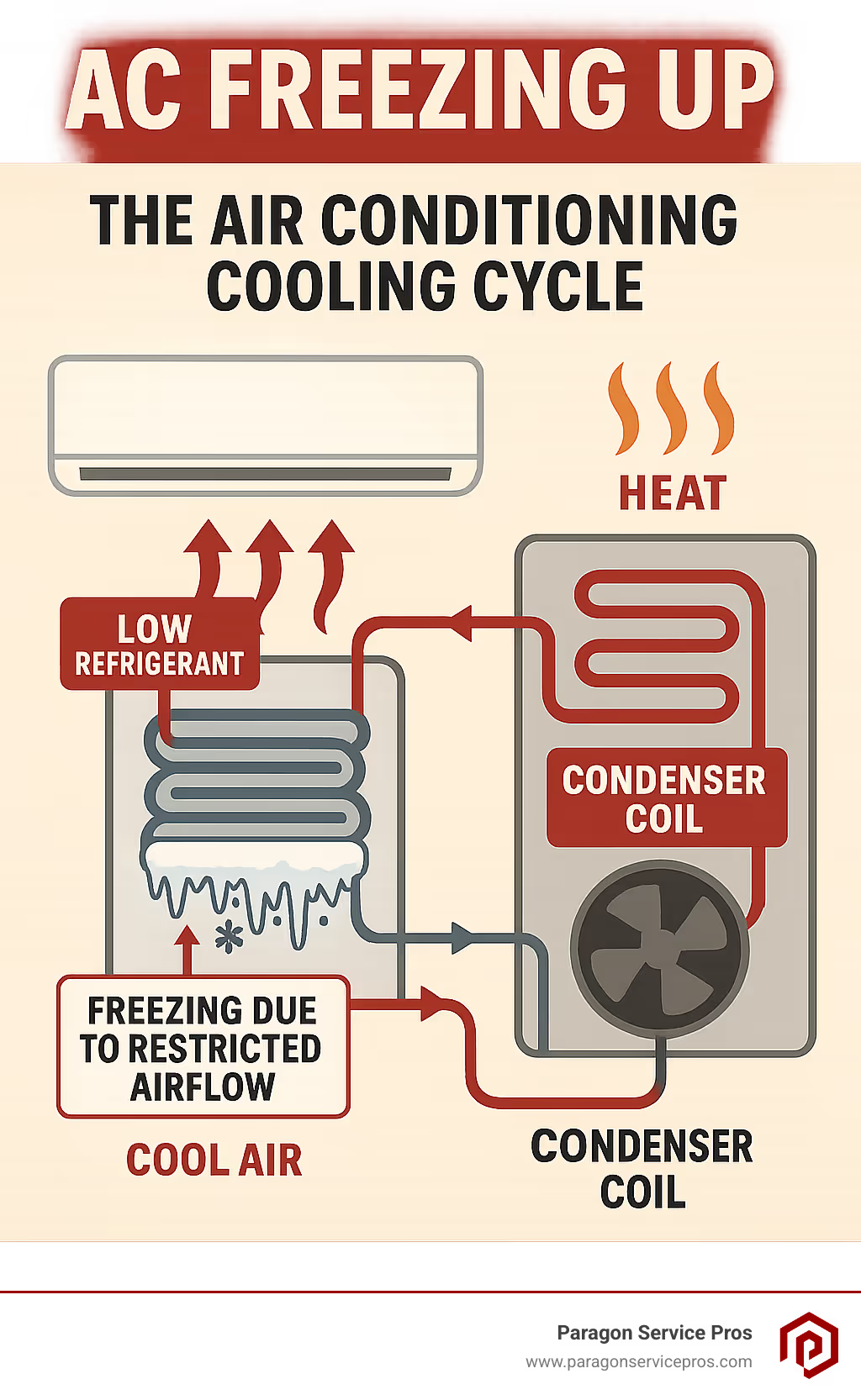
A frozen AC happens when something prevents proper heat exchange. Most commonly, it's a dirty air filter that blocks airflow over the evaporator coils. Without warm air flowing across these coils, the refrigerant gets too cold and freezes the moisture in the air.
Continuing to run a frozen AC can damage your expensive compressor, potentially turning a simple filter change into a thousands-of-dollars repair.
First Signs: How to Tell if Your AC is Frozen
When your AC freezing up becomes a reality, your cooling system sends out distress signals that are hard to miss if you know what to look for. These warning signs are your air conditioner's way of waving a white flag before things get worse.
The most obvious clue is visible ice buildup. You might spot ice on the copper refrigerant lines of your outdoor unit or thick frost on the evaporator coil inside your air handler. It can range from a thin layer of frost to thick ice.
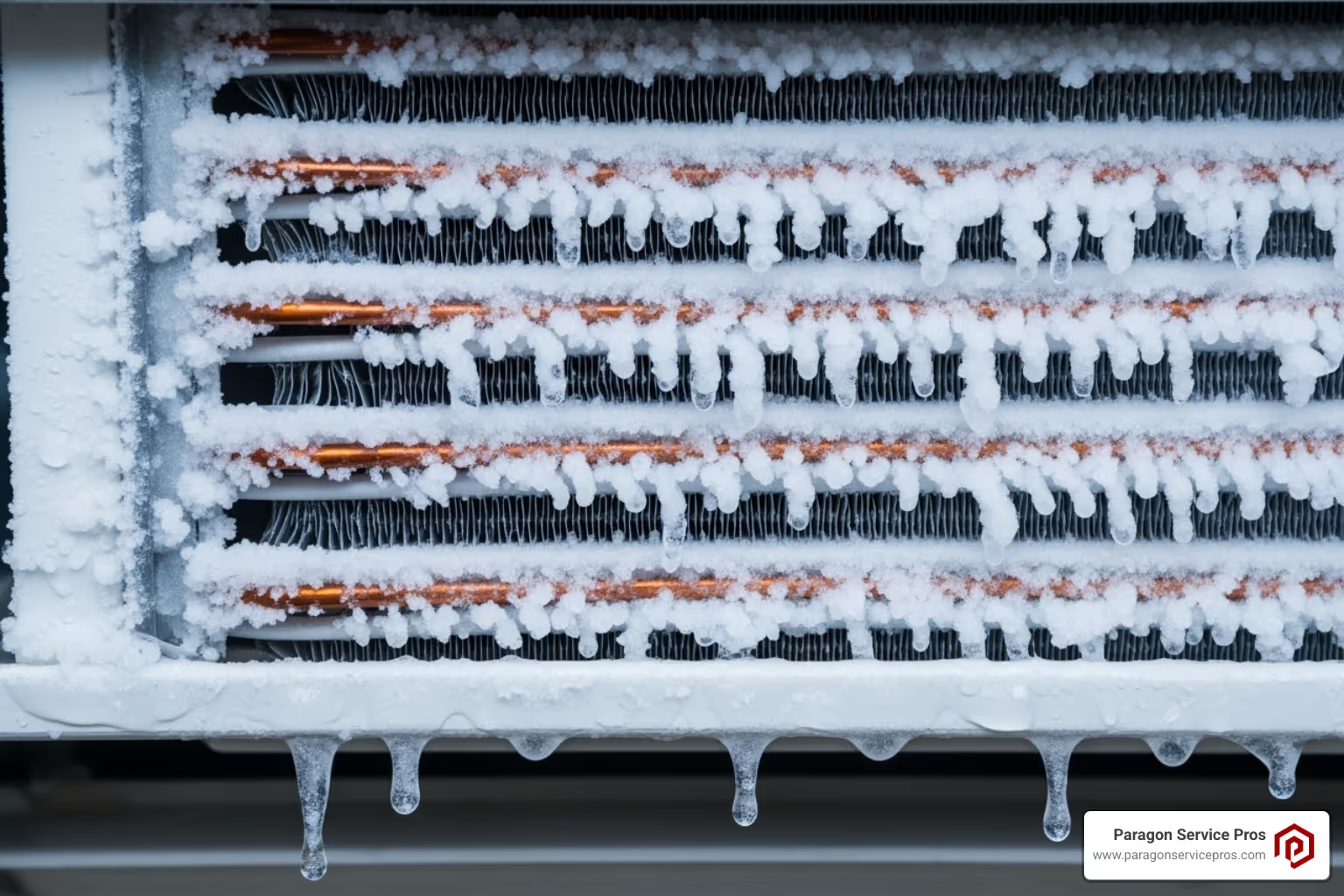
But ice isn't the only sign. When warm air starts flowing from your vents despite a low thermostat setting, your frozen evaporator coil is likely the cause. The ice blocks the coil from absorbing heat from your home's air, leaving you sweating while your AC runs uselessly.
Reduced airflow goes hand-in-hand with this problem. The air from your vents feels weak because ice is blocking the path, slowing everything to a crawl.
Puddles of water around your indoor unit signal that ice is melting faster than your system can handle. When the condensate drain gets overwhelmed or clogged, you may face water damage in your home.
Strange hissing or bubbling sounds deserve immediate attention. These noises often point to refrigerant leaks—a serious issue that commonly leads to frozen coils and requires professional intervention.
Don't ignore these warning signs. Catching these symptoms early can save you from turning a simple fix into an expensive headache. For more warning signals, check out our guide on 11 Signs Your AC Needs Professional Maintenance.
Why is My AC Freezing Up? Uncovering the 5 Main Culprits
Your air conditioner relies on a delicate balance of temperature, pressure, and airflow. When this is disrupted, your AC can freeze up right when you need it most.
Your AC doesn't blow cold air into your home; it removes heat from inside and dumps it outside. This heat exchange process keeps you comfortable during brutal Arizona summers. But when something disrupts this balance, your system can freeze itself solid.
The five main culprits behind a frozen AC are airflow issues, refrigerant level problems, drainage complications, thermostat setting mistakes, and mechanical failures. Each one can throw off the system's balance, causing your evaporator coils to get so cold that moisture in the air turns to ice.
Airflow restrictions are the most common cause. When your system can't pull enough warm air across the evaporator coils, those coils drop below freezing temperature.
Low refrigerant levels might seem counterintuitive, but they're a major problem. When refrigerant leaks, the remaining refrigerant expands too much, causing temperatures to plummet.
Drainage and moisture issues create the perfect storm for ice. During Arizona's monsoon season, extra humidity and a clogged drain can cause moisture to freeze on the coils.
Thermostat problems happen when people run their AC during cooler weather. Running your system when outdoor temperatures drop below 60°F is asking for trouble.
Finally, mechanical failures like a faulty blower motor or kinked refrigerant lines can disrupt the entire cooling process, leading to frozen coils.
Understanding these causes helps you know whether you're dealing with a simple fix or something more complex. For a deeper dive into how HVAC experts tackle these issues, check out our guide on How AC Repair Experts Diagnose and Fix Common Air Conditioning Issues.
1. Restricted Airflow: The System is Suffocating
When airflow is restricted, your AC literally starts to suffocate, and that's when AC freezing up becomes your biggest headache.
Your evaporator coil needs a steady stream of warm air to work properly. When airflow is blocked, the refrigerant inside the coil gets too cold, and moisture from the air freezes right onto the coil.
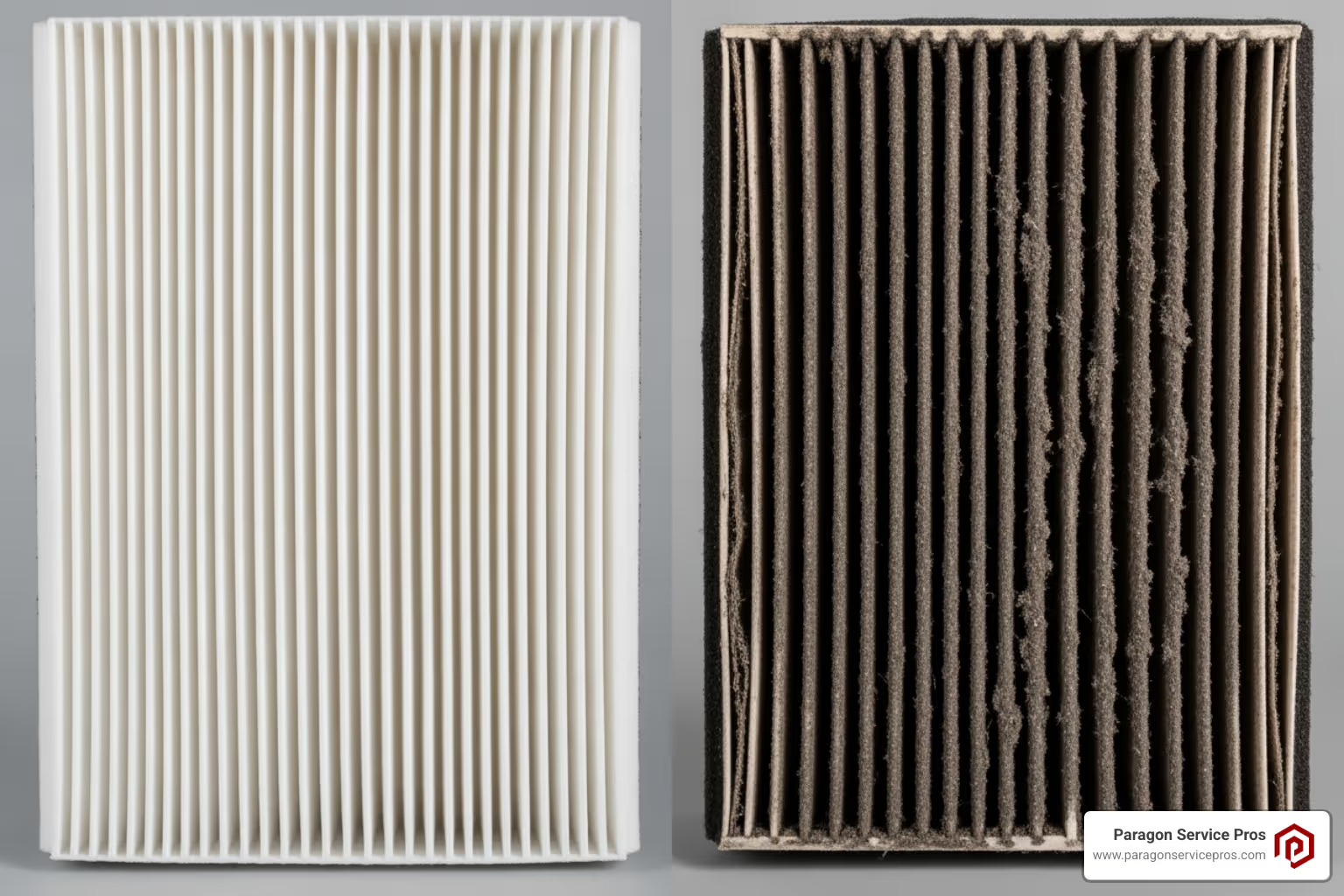
The biggest troublemaker? Your air filter. When it's clogged with dust and pet hair, it blocks warm air from reaching the evaporator coil. A dirty filter can reduce efficiency by 5% to 15% and lead to freezing.
We recommend checking your filter every month and replacing it every 1-3 months. If you have pets or allergies, you might need to change it more often. Here is some more information on how to change your AC's air filter.
Blocked vents are another sneaky culprit. Furniture pushed against a return vent or curtains covering a supply register can restrict airflow. Closing vents in unused rooms can also create pressure imbalances and cause freezing.
Your evaporator coil itself can get dirty over time. When dust builds up on the coil, it acts like a blanket, preventing proper heat exchange.
If your blower fan starts acting up—running slower or not at all—you have another airflow problem. This fan moves air across the evaporator coil, and when it's not working right, the system can't breathe.
The bottom line is that your AC needs to breathe freely. Regular filter changes and keeping vents clear can prevent most AC freezing up problems. For professional help, check out our AC Maintenance services.
2. Low Refrigerant: The Counterintuitive Cause of a Frozen AC
It may sound counterintuitive, but low refrigerant levels can cause your AC to freeze up. The answer lies in the physics of your air conditioner's sealed system.
Refrigerant continuously circulates in a closed loop, changing from liquid to gas and back again. As it flows through the evaporator coil, it absorbs heat from your home's air. This process depends on specific pressure and temperature relationships.
When you have a refrigerant leak, there isn't enough refrigerant to properly absorb heat. This creates a significant pressure drop inside the coil.
Thanks to the Joule-Thomson effect, this lower pressure causes your evaporator coil to get much colder than it's supposed to, often dropping below freezing.
When that super-cold coil meets the moisture in your home's air (especially during Arizona's monsoon season), that moisture instantly freezes onto the coil's surface. The ice builds up, making it even harder for your system to do its job and creating a vicious cycle.
Refrigerant is never "consumed" by your AC system. If your levels are low, you have a leak. Simply adding more refrigerant without fixing the leak is only a temporary solution, as the problem will keep coming back.
This is not a DIY situation. Refrigerant leaks require professional diagnosis and repair, as handling refrigerants requires special training and certification. It's also illegal to knowingly vent certain refrigerants into the atmosphere.
If you suspect your AC freezing up is due to low refrigerant, turn off your system and call a professional. Our team at Paragon Service Pros specializes in finding and fixing refrigerant leaks. Check out our AC Repair services to learn more.
3. Drainage, Moisture, and Other Mechanical Issues
Sometimes, the cause of your AC freezing up isn't a dirty filter or low refrigerant, but other mechanical issues. When these supporting components act up, they can create the perfect conditions for ice.
Water problems are a common cause of freezing. Your AC naturally produces condensation as it pulls humidity from the air. This water needs to drain properly, or trouble will start.

Clogged condensate lines can cause water to back up. Your condensate drain line carries away moisture, but over time, algae and dirt can create blockages. When water can't drain, it backs up into the drain pan.
If your evaporator coils are already running cold due to another issue, this backed-up water can freeze right onto the coils.
Arizona's monsoon season adds to the problem. During these humid months, the air holds more moisture. High humidity can overwhelm a system that's already struggling with other issues, forcing it to work overtime to dehumidify the air.
Mechanical failures can also trigger freezing. A faulty blower motor might move air too slowly or stop altogether. Without a steady flow of warm air, coil temperatures drop below freezing.
Kinked refrigerant lines create problems similar to leaks. Damaged or bent lines restrict refrigerant flow, creating pressure drops that cause the same freezing effect.
These problems often work together. A clogged drain line might not cause freezing on its own, but combine it with restricted airflow, and you have an ice problem. For more warning signs, check out our guide on SOS Warning Signs Your Air Conditioner Needs Repair.
What to Do Immediately: A Step-by-Step Thawing Guide
Finding your AC unit covered in ice can be alarming, especially in the Arizona heat. But don't panic! There are immediate steps you can take to thaw your system and prevent further damage to the compressor.
Here's our step-by-step thawing guide:
Step 1: Turn the AC Cooling Off
First, stop the cooling cycle immediately.
- Thermostat Setting: Go to your thermostat and switch the setting from "COOL" to "OFF." Do not just turn up the temperature; you must stop the compressor from running.
- Protect the Compressor: Running a frozen AC can severely damage the compressor, one of the most expensive parts to replace. Turning off the cooling allows the ice to melt naturally.
Step 2: Turn the Fan On
Next, help the system thaw faster.
- Blower Fan: On your thermostat, switch the fan setting from "AUTO" to "ON." This will activate your indoor blower fan to circulate your home's warm air over the frozen evaporator coil.
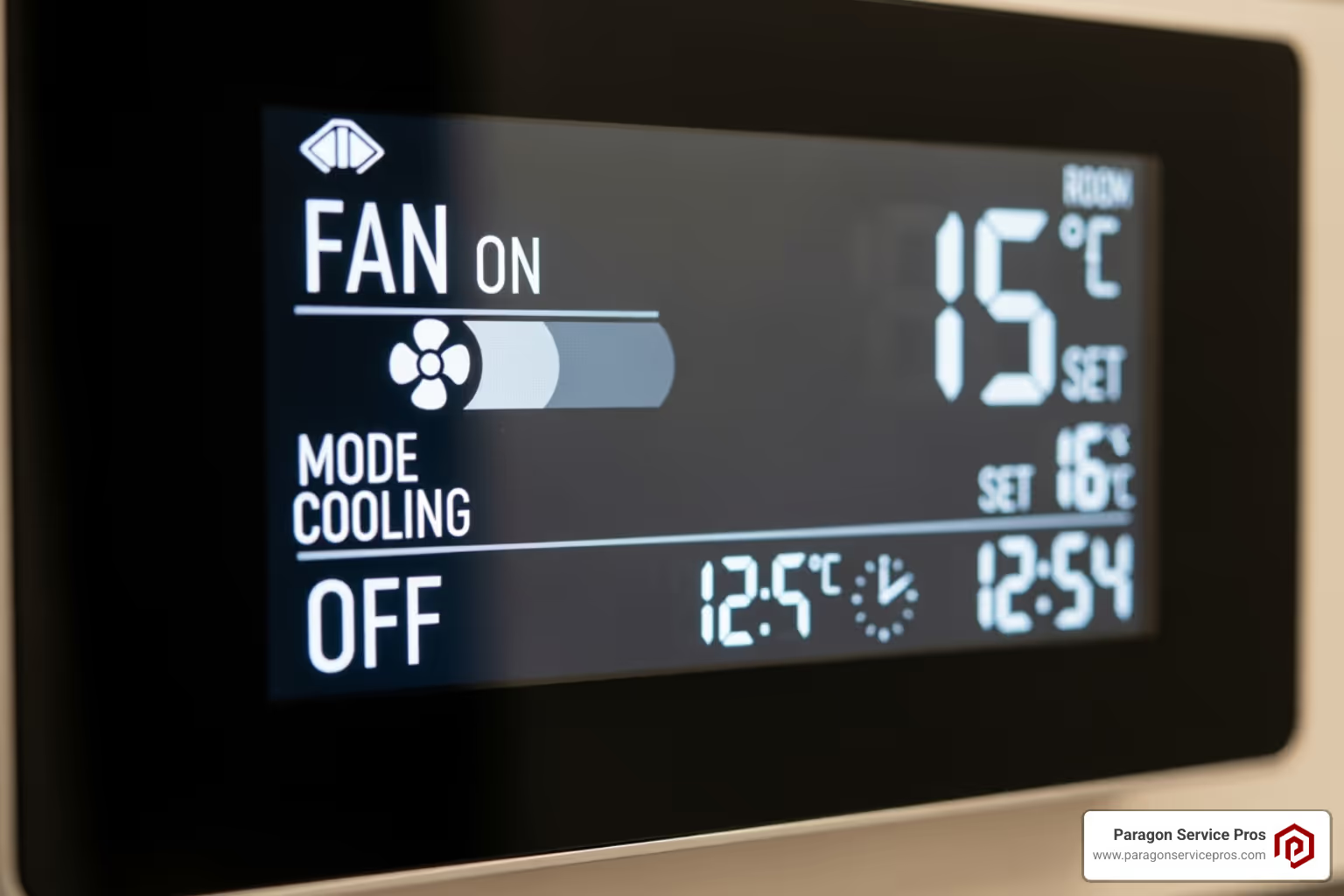
- Speed up Thawing: Circulating warmer air helps melt the ice more quickly. This process can take anywhere from 1 to 24 hours, so be patient!
Step 3: Check the Air Filter and Vents
While it thaws, address the most common cause of AC freezing up – restricted airflow.
- Inspect Filter: Locate and inspect your air filter. If it's clogged with dust or grime, replace it immediately.
- Check Supply Vents: Walk through your home and ensure all supply vents are open and unobstructed by furniture, drapes, or rugs.
- Check Return Vents: Make sure your return air vents (the larger ones that pull air into the system) are also clear of obstructions.
Once the ice has melted and you've fixed any obvious airflow issues, you can turn your AC back to "COOL." Monitor it to ensure the ice doesn't return. If it does, it’s time to call in the professionals.
Long-Term Prevention and When to Call a Professional
Nobody wants a frozen AC during an Arizona summer. The good news is that most AC freezing up problems are preventable with simple maintenance and knowing when to call the experts.
Think of your AC like a car; regular tune-ups prevent major breakdowns. A little proactive care goes a long way. For comprehensive tips, check out our guide on Is Your AC Ready for Spring? Top Tips for a Successful Tune-Up.
How to Prevent Your AC Freezing Up in the Future
Preventing a frozen AC comes down to consistent, simple maintenance.
Regular filter changes are your first line of defense. A dirty filter is the most common cause of a frozen AC. Check your filter monthly and replace it every 1-3 months.
Annual professional maintenance is like an insurance policy for your AC. Schedule a tune-up each spring. Technicians clean coils, check refrigerant levels, clear drain lines, and inspect mechanical parts. A professional cleaning and inspection can prevent many issues.
Keeping vents clear should be second nature. Ensure furniture or drapes aren't blocking supply or return vents.
Proper thermostat use means being reasonable with settings. Avoid extremely low temperatures, especially when it's below 60°F outside, as this can cause freezing.
Cleaning your outdoor unit by removing debris ensures efficiency. While a dirty outdoor coil typically causes overheating, keeping the whole system running smoothly prevents other problems. Maintaining your air conditioner is key to prevention.
SOS: When to Call an HVAC Technician for a Frozen AC
Sometimes, you need professional help to avoid turning a small repair into a major replacement.
Ice returns after thawing is a major red flag. If you've thawed the unit, replaced the filter, and cleared vents, but ice returns, there's a deeper problem like a refrigerant leak or failing motor.
Suspected refrigerant leaks demand professional attention. Hissing sounds or warm air from vents point to refrigerant issues. Handling refrigerant requires special equipment and is not a DIY project.
Fan problems like a blower that won't run or makes grinding noises indicate mechanical failures that need expert repair.
Recurring freezing despite basic maintenance suggests a more complex problem that requires professional diagnostic tools.
When you're unsure or uncomfortable, it's always smart to call for help. At Paragon Service Pros, we've seen every type of AC freezing up scenario. For Utah residents, our AC Repair Service Utah team is just a phone call away.
Frequently Asked Questions about a Frozen AC
When your AC freezing up becomes a summer nightmare, you likely have questions. Here are answers to the most common ones we hear from homeowners in Arizona and Utah.
How long does it take for an AC unit to unfreeze?
This is often the first question homeowners ask. It typically takes 1 to 24 hours.
The thawing time depends on the severity of the ice buildup and the temperature in your home. A thin layer of frost may thaw in a few hours, while thick ice will take much longer.
In Arizona's heat, running the fan (with the cooling off) circulates warm air over the coil, speeding up the process. The larger the AC unit, the more surface area there is to defrost, which can also extend the time.
Patience is key. Running the fan can often cut your waiting time in half.
Can I just scrape the ice off my AC coils?
It's tempting to scrape the ice off your AC coils, but absolutely do not do this. This can turn a simple problem into an expensive repair.
Your evaporator coil is delicate. The thin aluminum fins bend easily. Scraping can crush these fins, worsening airflow and permanently reducing your system's efficiency.
There's a risk of puncturing refrigerant lines. These copper lines are thin, and a puncture would create a costly refrigerant leak that requires professional repair.
There is also an electrical danger. As ice melts, water could drip onto electrical components and cause shorts or other damage.
Natural thawing is always best. Turn off the cooling, run the fan, and let the ambient heat do the work. Waiting is frustrating, but it's better than a major repair bill.
Will a frozen AC fix itself if I just wait?
While the ice will melt on its own, this doesn't mean your problem is solved. The underlying cause of the AC freezing up remains.
The ice is a symptom, not the root cause. If a dirty filter caused the issue, it will still be dirty after the ice melts. If you have a refrigerant leak, the leak is still there.
Without addressing the root problem, the same conditions will cause the AC to freeze again, often within hours or days.
Repeated freezing puts stress on your system, especially the compressor. This stress can lead to premature failure of expensive components.
The bottom line: The ice will melt, but the problem won't fix itself. You must identify and address the cause to prevent it from happening again. For more strategies, check out Maximizing Energy Efficiency: Tips for Your AC Unit.
Conclusion: Keep Your Cool with a Healthy AC
When your AC freezing up disrupts your summer, it's a sign your system needs help. A frozen air conditioner is your system's way of crying out for attention.
Airflow is the key. Most frozen AC problems trace back to blocked airflow over the evaporator coils, often from a dirty filter or blocked vents.
However, AC freezing up can have multiple causes. Low refrigerant, a clogged drain, or a failing blower motor can all contribute to turning your cooling system into an ice sculpture. Each issue disrupts the heat exchange that keeps your home comfortable.
The good news is that catching warning signs early and following the thawing steps we outlined can prevent major compressor damage. The ice is just a symptom; the real victory is fixing the underlying cause.
The importance of maintenance cannot be overstated. Regular filter changes, annual tune-ups, and keeping vents clear are your best defense against future freezing.
At Paragon Service Pros, we've seen every type of frozen AC situation across Arizona and Utah. We serve homeowners throughout the Valley—from Chandler and Gilbert to Mesa and Queen Creek—as well as Utah communities like Lehi, Orem, and Provo.
If DIY fixes don't work and the ice returns, don't suffer through another scorching day. For persistent freezing issues and expert diagnostics, it's time to call for professional HVAC repair in American Fork or reach out to your local Paragon Service Pros team. We're here to help you keep your cool.
Keep reading: Air Conditioning
Browse every article in Air Conditioning or head back to the Learning Center .
Comfort you can count on, all year long.
Same-day service, honest diagnostics, and 24/7 emergency help with no overtime fees. A real Greater Phoenix team is standing by.