
Silence is Not Golden: Diagnosing Your AC's No-Go, No-Blow, No-Noise Problems
AC not turning on? Fix it! This guide helps you diagnose power, filter, and electrical problems to restore your cool comfort.

When Your AC Goes Silent: Understanding the No-Power Problem
An AC not turning on is a frustrating problem for Arizona homeowners, especially when temperatures soar. Nothing is worse than finding your air conditioning isn't working in the oppressive summer heat.
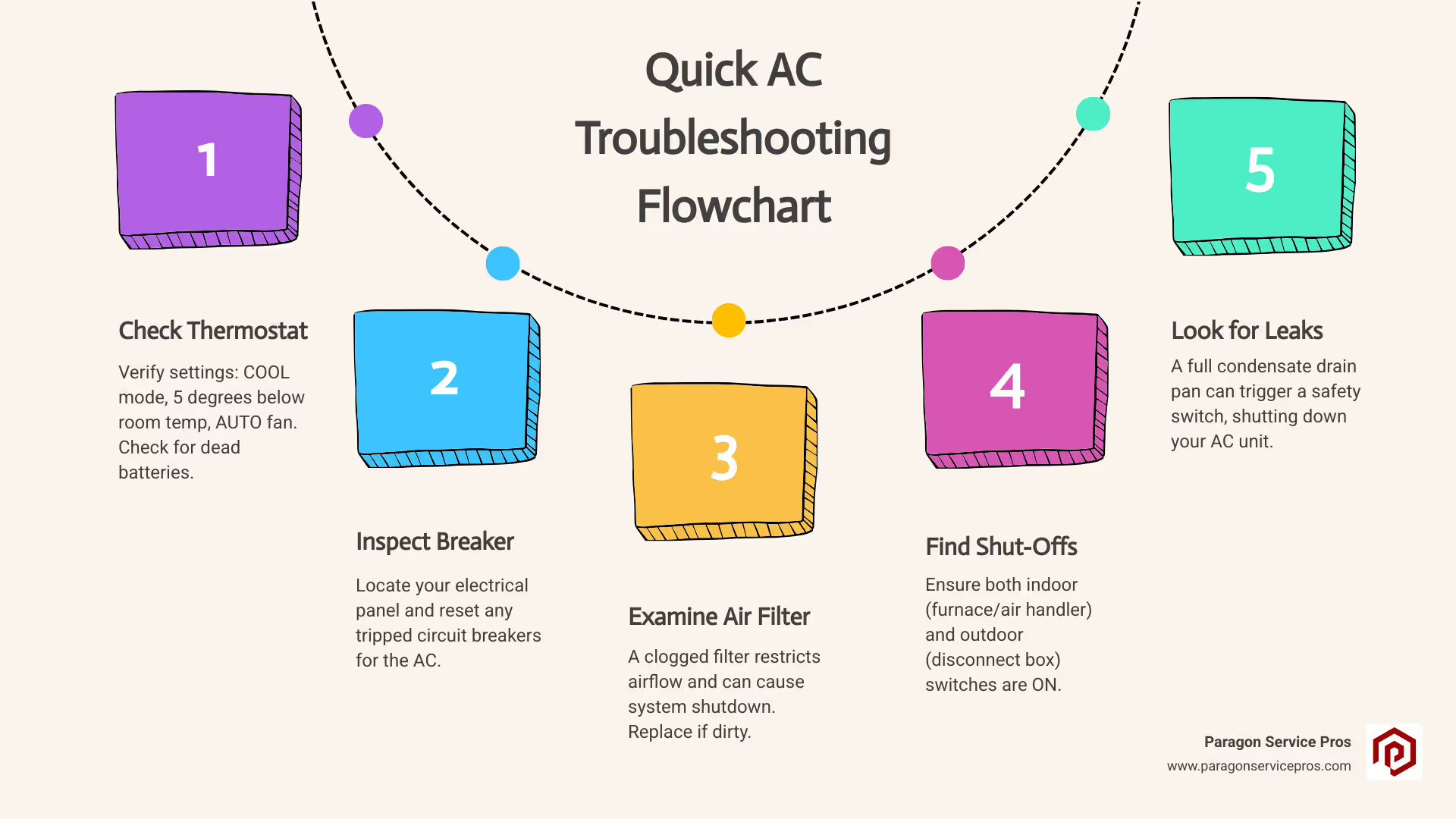
Quick troubleshooting steps for an AC that won't turn on:
- Check your thermostat - Ensure it's set to COOL and at least 5 degrees below room temperature.
- Inspect the circuit breaker - Look for tripped breakers in your electrical panel.
- Examine air filters - Replace dirty filters that can cause a system shutdown.
- Locate shut-off switches - Check that indoor and outdoor power switches are ON.
- Look for water leaks - A full drain pan can trigger a safety switch that shuts down your AC.
Many AC startup problems have simple DIY solutions. From dead thermostat batteries to tripped breakers, understanding these common culprits can save you time. However, issues with capacitors, motors, or refrigerant systems require professional diagnosis to avoid safety risks and further damage.
This guide walks you through diagnosing why your AC won't turn on, from simple checks to complex issues that require a professional.
First Steps: Simple Checks for a Silent AC
When your AC goes quiet on a hot day, don't panic. Before assuming a costly repair is needed, perform a few simple checks. Often, an AC not turning on is due to a basic issue you can fix in minutes, saving you from an unnecessary service call. Many common HVAC system problems have straightforward solutions.
Initial Checks for an AC Not Turning On
Your thermostat is the command center for your cooling system. If it's not communicating properly, your AC won't turn on. Here's what to check:
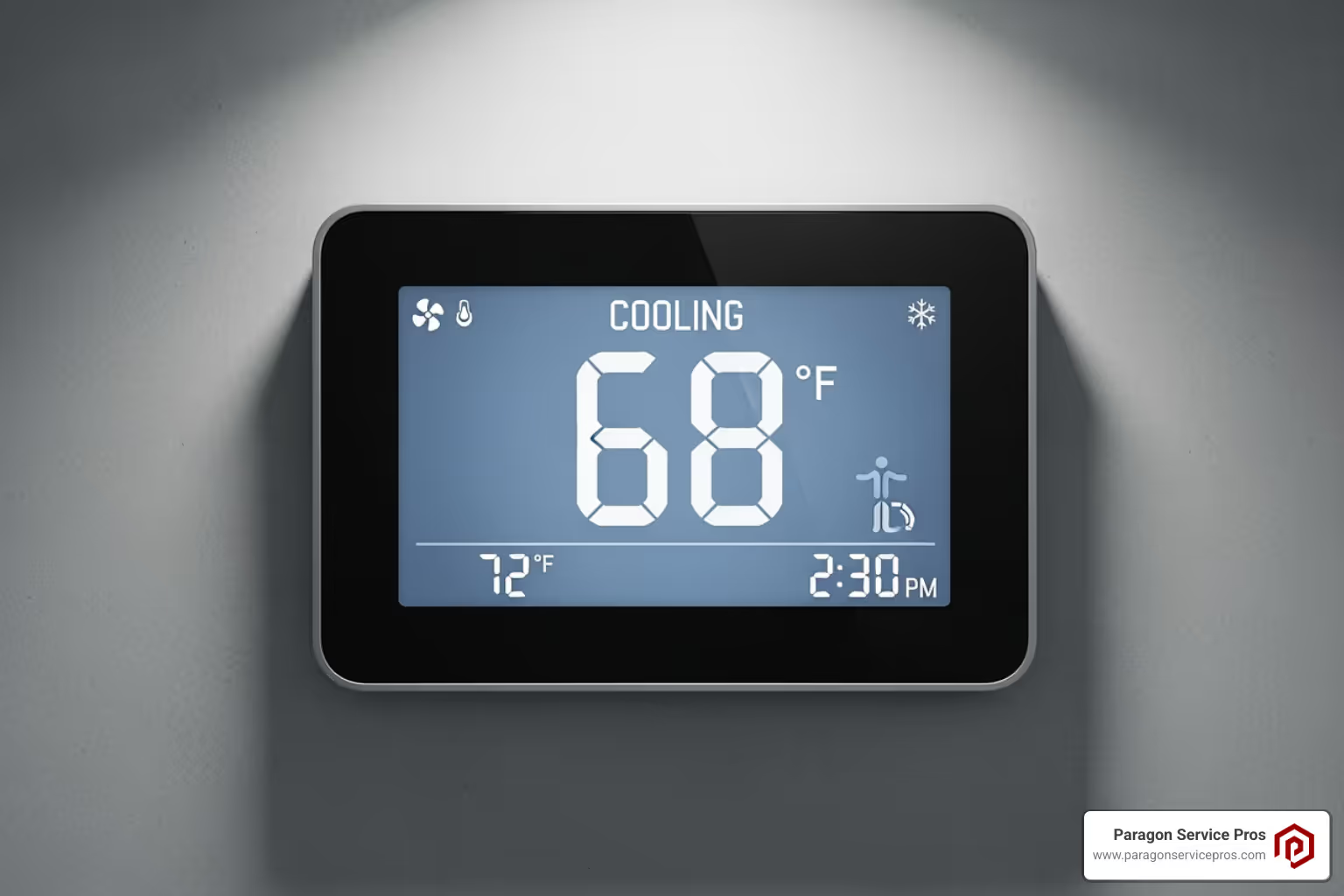
First, check your thermostat settings. It's a common mistake, but ensure it's set to "COOL" mode, not "HEAT" or "FAN ONLY." Next, check the temperature setting. To trigger the AC, the set temperature must be at least 5 degrees below the current room temperature. Also, ensure the fan is on "AUTO," not "ON," so the compressor engages.
Dead batteries are another common culprit. If your thermostat display is blank or shows a low battery warning, replace the batteries. This simple fix often brings a silent AC back to life.
If you're comfortable with basic electrical work, you can check for loose wiring behind the thermostat. If not, it's best to call a professional. Finally, try resetting the thermostat by turning it off for 10 minutes and then back on. This can clear minor glitches.
The Role of the Air Filter
Many homeowners don't realize a dirty air filter can shut down the entire AC system. When your air filter gets clogged with dust and debris, it restricts airflow. This forces your system to work harder and can cause the evaporator coil to freeze up.
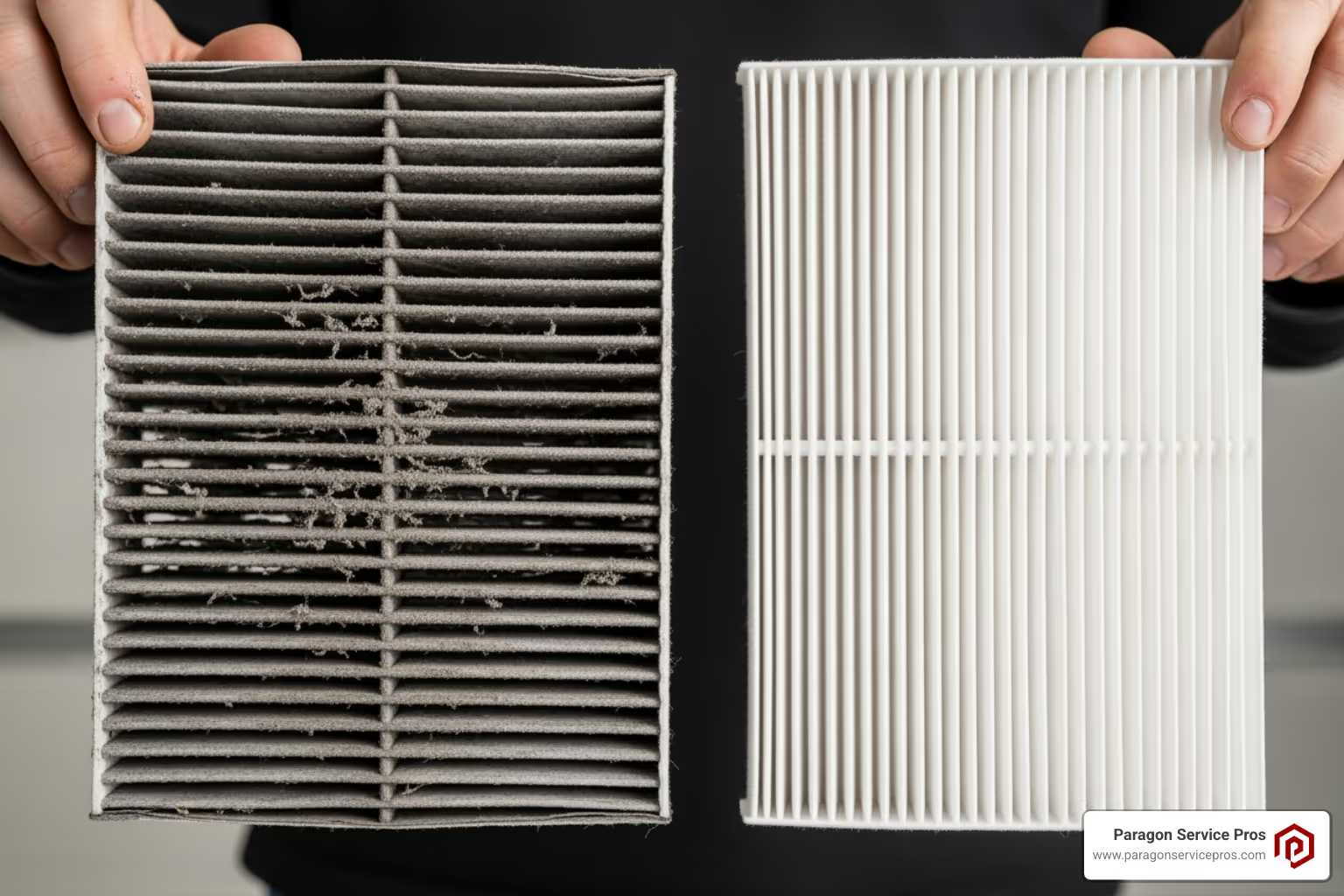
This restricted airflow triggers safety mechanisms that shut down the system to prevent damage. It's your AC's way of protecting itself.
Checking your air filter is easy. Find the filter slot (usually in the indoor air handler or return vent), slide out the filter, and hold it to the light. If you can barely see through it, it's time for a replacement.
In Arizona's dusty environment, filter replacement is critical. We recommend checking your filter monthly and replacing it every 1-3 months, depending on your home's dust levels and if you have pets. This small investment can prevent your AC not turning on.
Locating and Checking Shut-Off Switches
Every AC system has dedicated power switches that can be accidentally flipped, causing a shutdown. Checking them is a simple but crucial step.
Your indoor unit switch, often near the air handler or furnace, looks like a regular light switch and can be mistaken for one. Make sure it's in the "ON" position.
The outdoor unit switch is in a small electrical box near your condenser unit. It might be a toggle switch or a pull-out disconnect. This can be accidentally turned off during yard work. Ensure it is on.
These switches provide safety during maintenance, but they can be a source of frustration if accidentally turned off. Always double-check them before assuming a more serious problem.
Troubleshooting Electrical Issues: Why Your AC is Not Turning On
If the simple fixes don't solve your AC not turning on problem, it's time to explore the electrical side. Electrical issues are a common culprit, but they require a healthy respect for safety.
Your home's electrical system is the lifeline for your AC. A problem in this network can prevent your system from getting the power it needs. Before troubleshooting, prioritize safety. Essential safety precautions include: turning off power at the circuit breaker, using insulated tools, avoiding water contact, and never touching exposed wires. When in doubt, call a professional. For comprehensive guidelines, check out electrical safety training resources.
Tripped Circuit Breakers and Blown Fuses
Your circuit breaker panel protects your home's electrical system from overloads. When it detects trouble, it cuts power to prevent damage.
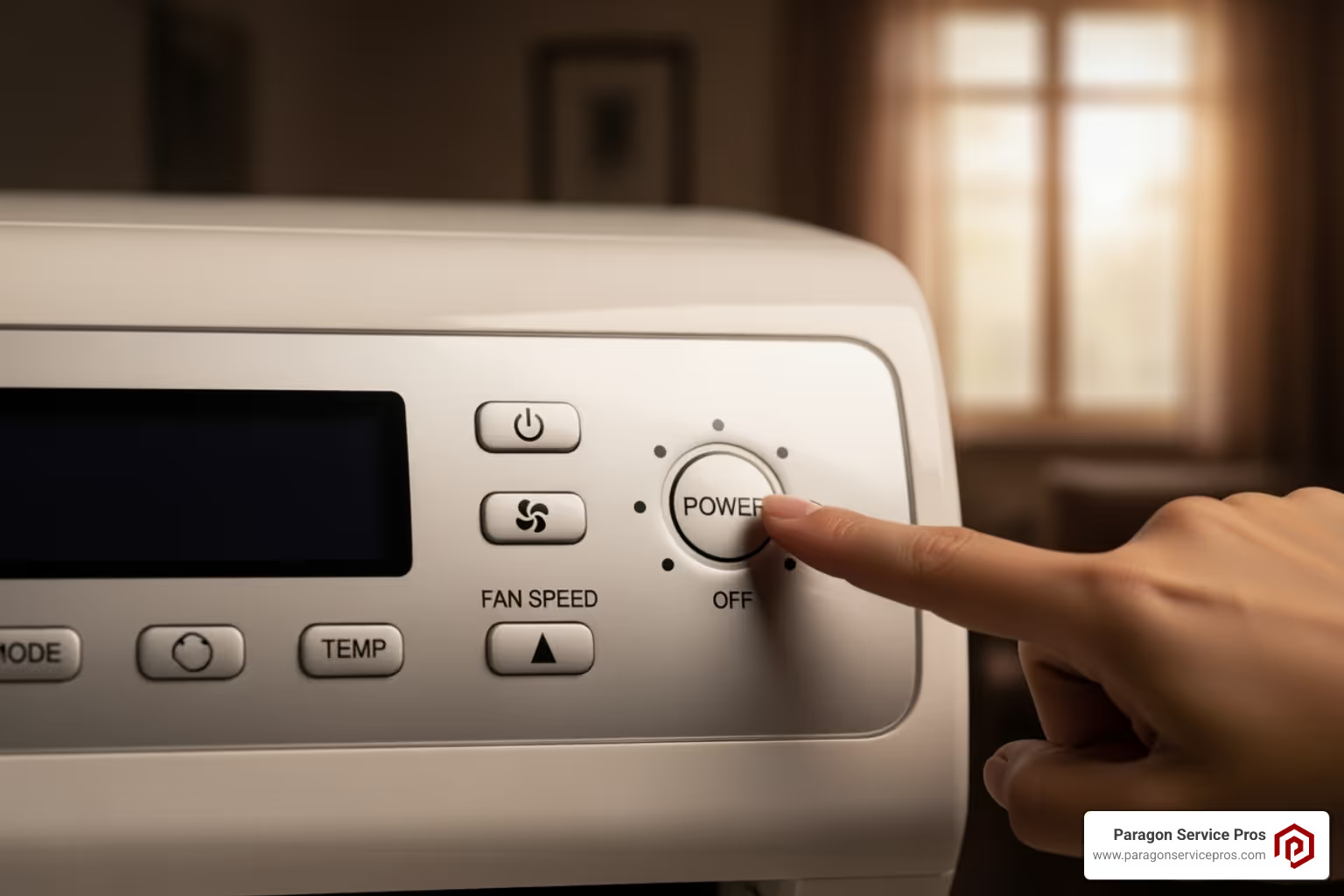
Locating your breaker panel is the first step. It's usually in a garage, basement, or utility closet. Look for the breaker labeled for your AC unit ("AC," "HVAC," etc.). Identifying a tripped breaker is easy: it will be flipped to the "off" position or stuck in a middle position.
To reset a breaker, push it firmly to the "off" position, then flip it back to "on." You should hear a click.
If the breaker trips again immediately, stop. Do not try to reset it again. This signals a serious problem like a short circuit or an overloaded motor, which is a fire hazard. Turn the breaker off and call a professional immediately.
Some older systems have blown fuses. A blown fuse will have a broken internal wire or dark discoloration. Replace it with a fuse of the exact same amperage rating to avoid danger.
Clogged Condensate Drain Line and Safety Switch
Your AC doesn't just cool your home; it also removes moisture from the air via condensation. This water collects in a drain pan and flows out through a drain line.
Over time, this drain line can become clogged with algae, mold, and dust, causing water to back up in the pan. To prevent an overflow and water damage, a float switch (or wet switch) in the pan detects the high water level and shuts down your AC by cutting its power.
This safety feature is a common reason an AC not turning on can seem like a major electrical failure. To check, locate and check the drain pan under your indoor air handler. If it's full of standing water, you've found the problem. You can try clearing the clog with distilled vinegar or a wet/dry vacuum, but a professional can ensure the line is fully cleared and address the root cause.
Deeper Diagnostics: When It's More Than a Simple Fix
If basic troubleshooting fails, the cause is likely an internal component failure. These issues require professional expertise, but understanding them can help you communicate with a technician. Repairs often involve dangerous electrical components, motors, and refrigerant systems, so they are not DIY jobs.
The AC Capacitor: The Heartbeat of Your System
If your AC not turning on is accompanied by clicking or humming, a failed capacitor is a likely culprit. This component provides the electrical surge needed to start the compressor and fan motors.
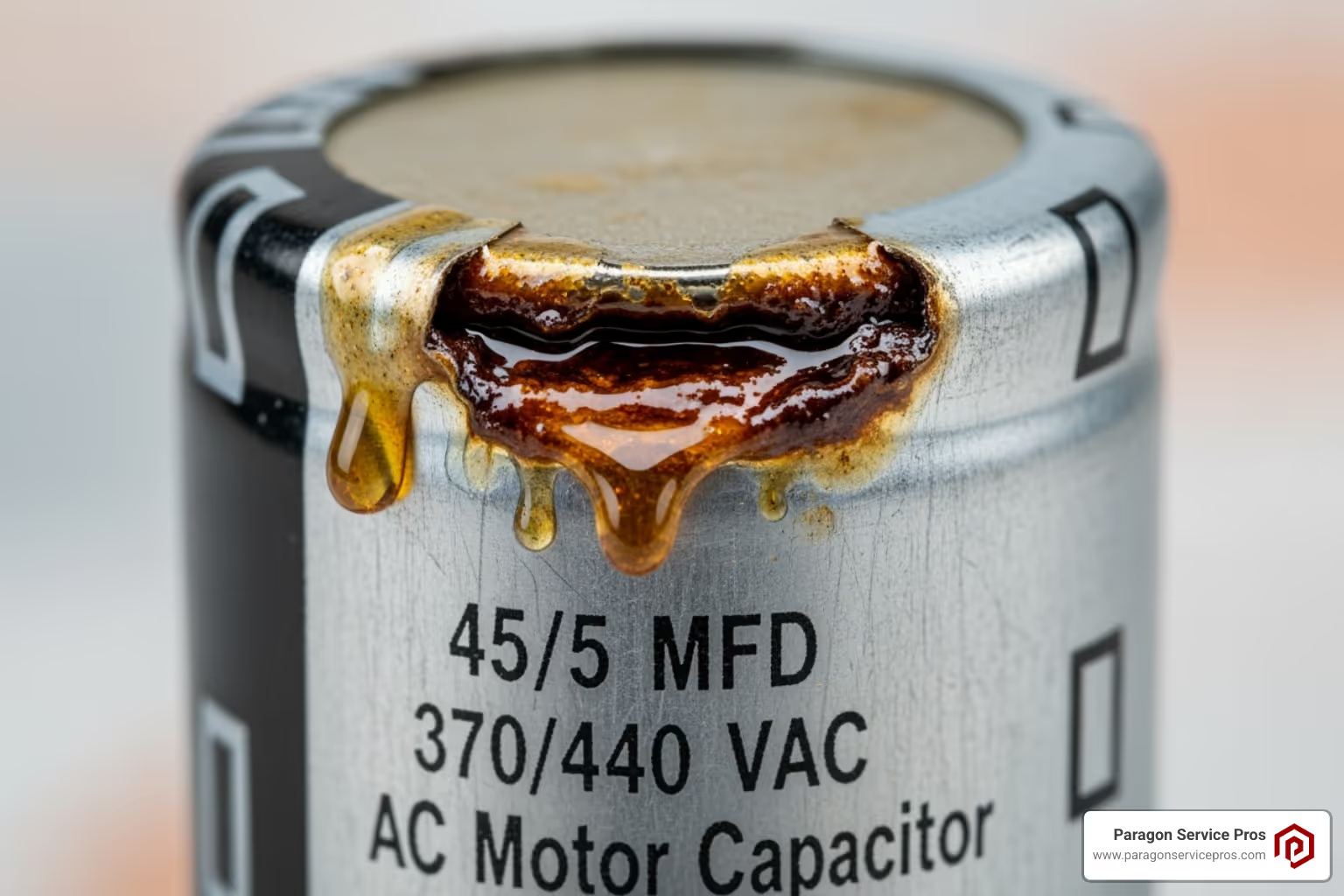
AC systems have a start capacitor for the initial jolt and a run capacitor to keep motors running efficiently. Signs of capacitor failure include:
- A distinct clicking sound as the system tries to start.
- A low humming sound from the compressor without it engaging.
- The outdoor fan spinning sluggishly or not at all.
Visually, a failed capacitor may have a bulging top or bottom or show an oily discharge. Arizona's intense heat and power surges shorten capacitor lifespan.
This repair requires a professional. Capacitors store a lethal electrical charge even when the power is off. Our AC capacitor check service can safely diagnose and replace faulty capacitors.
Less Common Reasons for an AC Not Turning On
Other complex issues can cause your AC to fail and require professional diagnosis:
- Blower Motor Failure: The indoor fan won't circulate air, and the system may not start as a safety precaution.
- Compressor Failure: This is a serious issue. The compressor is the heart of the system, and failure may cause humming or prevent the system from starting at all.
- Control Board Damage: The AC's "brain" can be damaged by power surges or moisture, leading to communication errors between components.
- Frayed or Damaged Wiring: Common in Arizona due to UV exposure and pests, damaged wires can cause power loss or a complete shutdown.
- Ice on Evaporator Coils: Caused by dirty filters or low refrigerant, ice buildup can trigger a system shutdown. If you suspect your AC is not cooling properly due to ice, a professional can find the root cause.
These issues underscore why professional service is crucial when basic fixes don't work. DIY repairs on these components can be dangerous and cause more damage.
Prevention, Maintenance, and Knowing When to Replace
Most instances of an AC not turning on are preventable. The key is regular maintenance and knowing when it's time to replace an aging system. This proactive approach can save you from a frantic search for a repair technician on the hottest day of the year.
How Regular Maintenance Prevents Failures
Your AC system is like a car—ignore it, and it will eventually break down. Most AC not turning on scenarios are preventable with regular care.
Annual tune-ups, ideally in the spring, are your best defense against summer breakdowns. During these visits, technicians can spot potential problems before they become emergencies.
Cleaning coils is a key task. Your outdoor condenser coils release heat, but they can get coated in dust and debris. This forces the AC to work harder, leading to overheating and shutdowns. You can help by gently hosing down the outdoor unit (with the power off).
Checking electrical connections during maintenance prevents intermittent power issues caused by loose wires.
Preventing unexpected breakdowns not only saves you from stress but also leads to lower energy bills and a longer lifespan for your system. To learn more, see the signs your AC needs professional maintenance.
Is It Time for a Replacement?
Sometimes, even with good maintenance, an AC system reaches the end of its life. Knowing when to repair versus replace can save you money in the long run.
AC unit lifespan in Arizona is typically 15-20 years. If your unit is approaching this age, it's wise to start planning for a replacement.
Consider these signs it might be time to replace:
- Frequent repairs: If you're constantly calling for service, the cumulative cost may justify a new system.
- Rising energy bills: An aging system works harder to cool your home, increasing your energy consumption.
- Obsolete refrigerant: Systems made before 2010 often use R-22 refrigerant, which is being phased out. A leak can be very expensive to repair, making a new unit a smarter investment.
A major component failure, like the compressor, is another strong indicator. The repair cost can be close to that of a new unit, but without the warranty or efficiency benefits.
For a detailed breakdown, our guide on 7 Signs Your Air Conditioner Needs to Be Replaced can help you make an informed decision.
Frequently Asked Questions about an AC Not Turning On
When your AC not turning on leaves you sweating in the Arizona heat, you probably have a dozen questions racing through your mind. Here are the most common concerns we hear from homeowners, along with practical answers to help you understand what's happening with your system.
Why is my AC clicking but not turning on?
A clicking sound followed by silence usually indicates an electrical component is struggling. The click often comes from the contactor (a switch) trying to engage. This could be due to a faulty thermostat relay, a failing control board, or, most commonly, a bad capacitor that can't provide the necessary power to start the motor.
If the clicking comes from the outdoor unit, followed by a soft hum, it's a classic sign of capacitor failure. The system tries to start but lacks the electrical jolt to do so. These electrical issues require a professional technician for safe diagnosis and repair.
What should I do if my circuit breaker trips immediately after I reset it?
If a circuit breaker trips immediately after you reset it, do not try to reset it again. This is a critical safety warning. An immediately tripping breaker indicates a serious electrical problem, such as a short circuit or an overloaded motor. Both conditions create a significant fire risk.
Turn the breaker to the full "OFF" position and leave it there. Call a qualified HVAC technician immediately. This is a safety issue that requires professional diagnosis to prevent a fire or severe system damage.
Can a power surge or energy-saving program stop my AC from turning on?
Yes, both can prevent your AC from starting.
Power surges, which can occur during storms or due to grid fluctuations, can damage sensitive electronics like the control board and capacitors. This damage can cause your AC to fail suddenly, even days after the surge. A whole-home surge protector can help prevent this.
Additionally, many utility companies offer energy-saving programs that remotely turn off your AC during peak demand hours (e.g., 3-6 PM on hot days) to prevent grid overload. If your AC not turning on happens during these times, check with your utility provider. You may be part of such a program and can usually override the shutdown if necessary.
Your Next Step to a Cool and Comfortable Home
When your AC not turning on makes your Arizona home unbearable, it's time for action. We've covered simple fixes like checking thermostats and filters, as well as complex issues like failed capacitors and drain line clogs.
Prioritize your safety. While you can reset a tripped breaker once, if it trips again, stop immediately and call a professional. The same applies to any issue involving electrical components that makes you uncomfortable.
Many AC failures are preventable with regular maintenance, such as annual tune-ups and monthly filter changes. A little proactive care goes a long way in avoiding surprise breakdowns.
At Paragon Service Pros, we know a failed AC in Arizona is an emergency. Our team has seen every reason an AC not turning on can frustrate homeowners and we offer same-day and emergency appointments to resolve them quickly. For expert diagnosis and reliable HVAC repair in American Fork and our other service areas, trust our technicians to restore your comfort.
Don't sweat it out. Whether it's a simple fix or a complex repair, we provide unparalleled service and quality workmanship to get your home cool again.
Keep reading: Air Conditioning
Browse every article in Air Conditioning or head back to the Learning Center .
Comfort you can count on, all year long.
Same-day service, honest diagnostics, and 24/7 emergency help with no overtime fees. A real Greater Phoenix team is standing by.