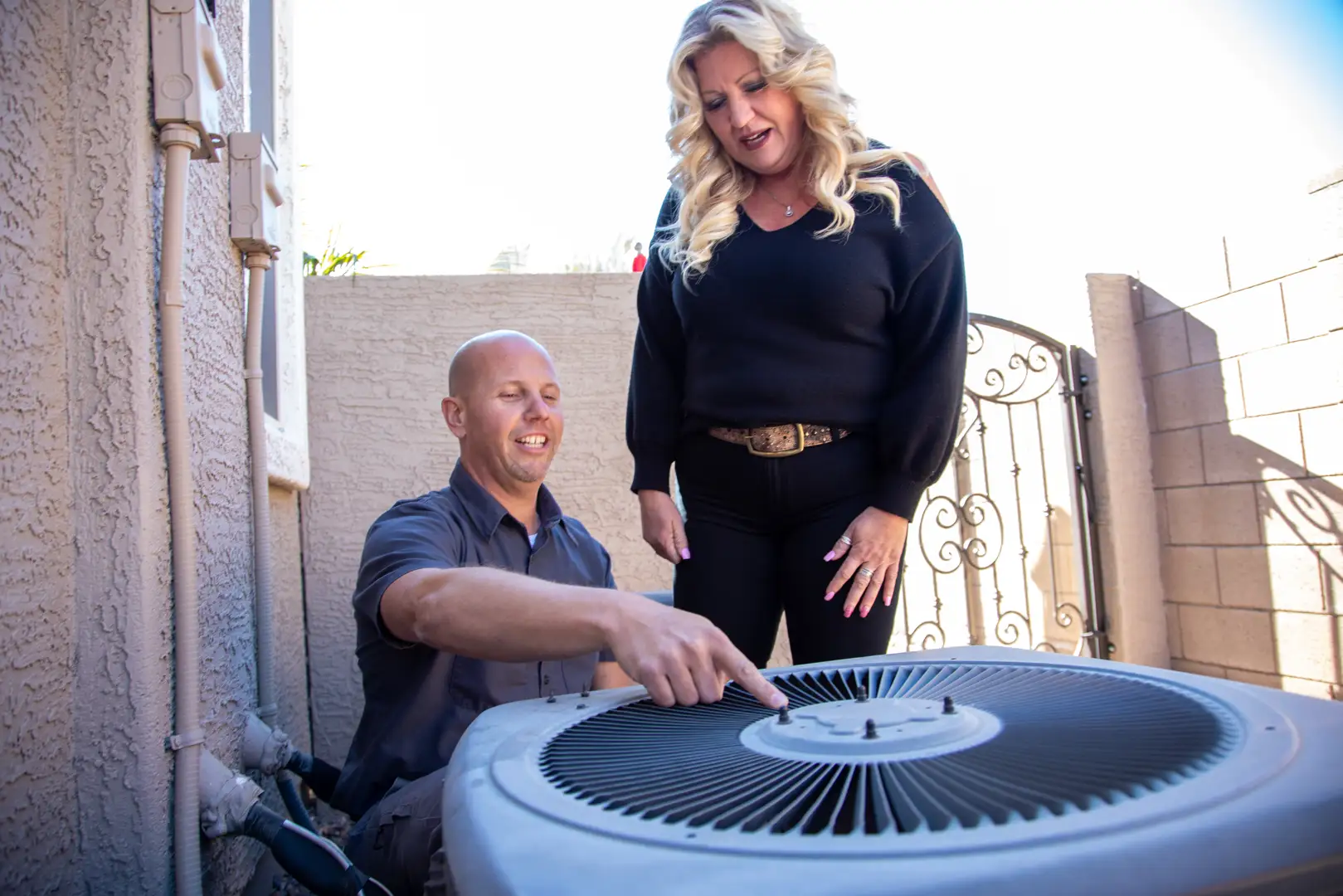


Don't Get Fooled: Understanding Your HVAC System's Quirks
Don't let HVAC system problems leave you sweating! Diagnose smoke, leaks, noises & fix common issues. Get expert tips.


Why HVAC System Problems Need Your Immediate Attention
HVAC system problems can turn your comfortable home into a nightmare - especially in Arizona's extreme heat. Whether your system is blowing hot air, making strange noises, or not turning on at all, understanding what's happening can save you money and keep your family safe.
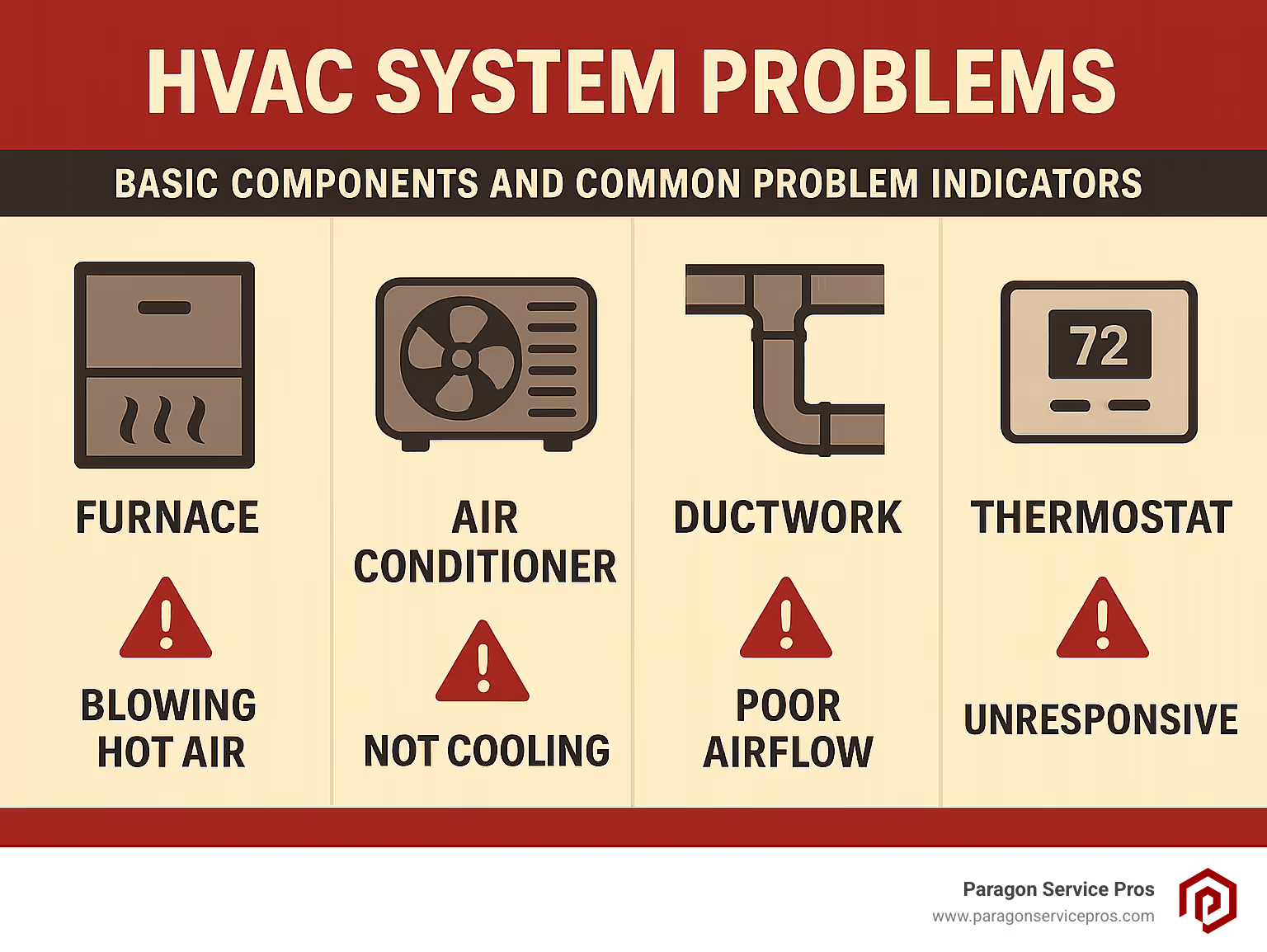
Most Common HVAC System Problems:
- Dirty air filters - causes 80% of system failures
- Thermostat issues - wrong settings or dead batteries
- Refrigerant leaks - reduces cooling and wastes energy
- Electrical problems - can create safety hazards
- Clogged condensate drains - leads to water damage
- Strange noises - signals worn or broken parts
- Poor airflow - blocked vents or ductwork issues
Your HVAC system has many moving parts that can fail. Some problems you can fix yourself with basic troubleshooting. Others need professional help right away - especially if you see smoke, smell burning, or hear grinding noises.
The key is knowing the difference. A dirty filter is a simple DIY fix. But electrical issues or refrigerant leaks require trained technicians with proper tools and safety equipment.
Don't ignore small problems. What starts as a minor issue often becomes an expensive repair. A clogged filter can cause your compressor to fail. A small refrigerant leak can damage your entire system.
Is That Smoke? Decoding Alarming HVAC System Problems
Nothing gets your heart racing quite like seeing smoke coming from your HVAC system. And honestly? That panic is completely justified. Smoke from your heating and cooling system is never something to shrug off - it's your system's way of waving a giant red flag that says "Help me, now!"
The tricky part is figuring out whether you're looking at actual smoke (which could mean danger) or just harmless vapor. Either way, you need to know what to do and when to call in the pros.
What to Do Immediately if You See or Smell Smoke
When you spot smoke or catch that unmistakable burning smell, don't play detective. Your safety comes first, always.
Turn off your system right away. Head straight to your thermostat and shut everything down. No exceptions.
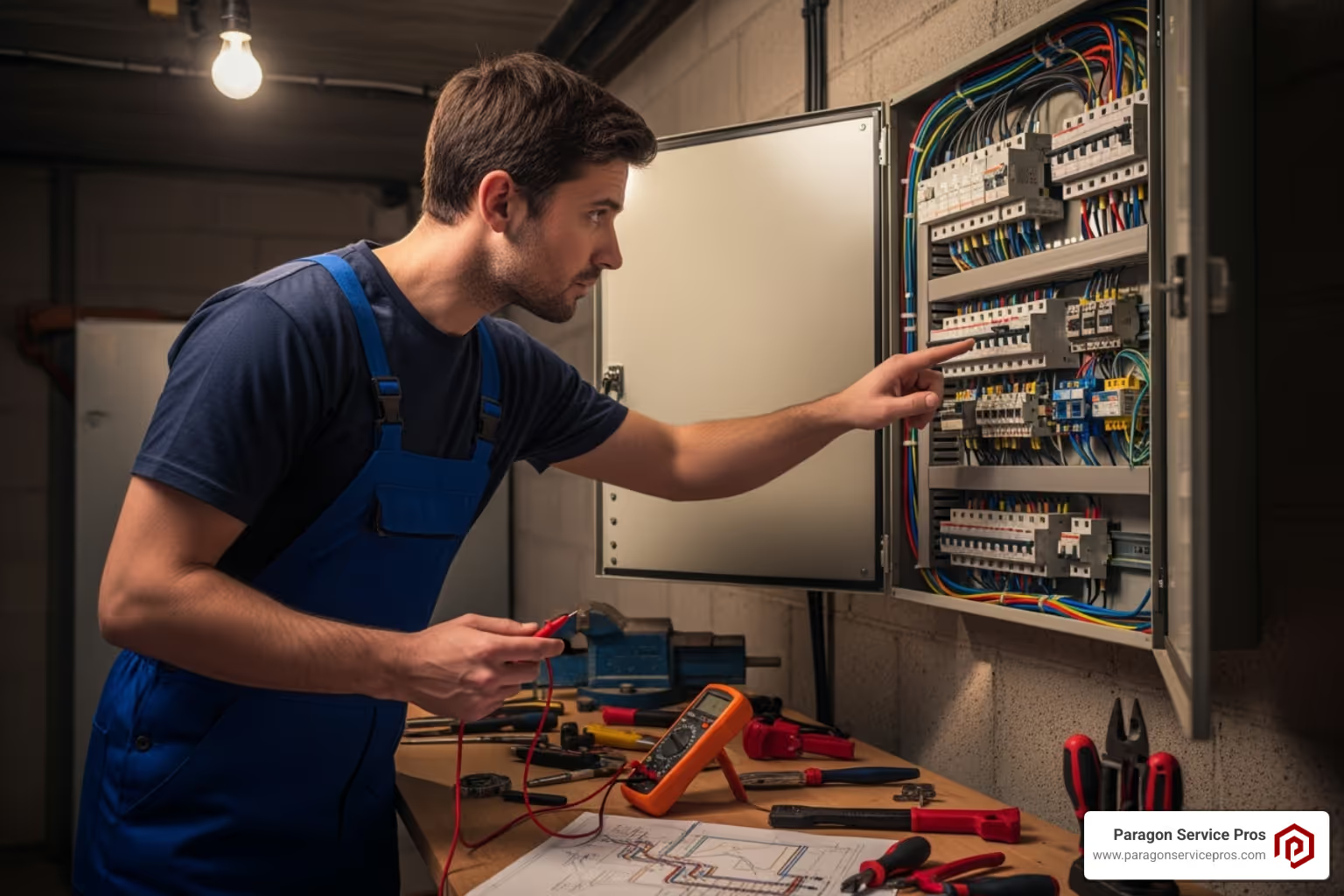
Kill the power at the breaker. Find your electrical panel and flip off the breaker that controls your HVAC system. This cuts all electricity to the unit and eliminates the risk of electrical fires getting worse.
Get out if things look serious. If you're dealing with thick smoke, a strong burning odor, or any sign of actual fire, evacuate everyone immediately and call 911. Your family's safety is worth more than any HVAC system.
Call for emergency help. Once everyone's safe, contact a qualified HVAC professional. This isn't the time for YouTube tutorials or weekend warrior repairs. As experts note, HVAC systems blow out smoke, immediate action may be required for safety reasons.
Common Causes of Smoke and Other Serious HVAC System Problems
When your system starts smoking, it's usually screaming about one of these serious HVAC system problems:
Electrical issues top the danger list. Faulty wiring, loose connections, or short circuits can make wires so hot they melt their protective coating. You'll smell burning plastic and see smoke - and this can quickly turn into a house fire. Blown fuses and tripped breakers often signal that electrical components are drawing too much power or failing completely.
Overheating components are another major culprit. When your system works too hard - often because of a clogged air filter - parts like the blower motor can overheat and start smoking. Think of it like running your car engine without oil. Eventually, something's going to burn up.
A failing blower motor creates friction as its bearings wear out. All that grinding metal generates serious heat, and heat plus motor oil equals smoke. You might hear grinding or squealing sounds before you see the smoke.
Foreign objects in your ductwork can cause problems too. Dust buildup, loose insulation, or debris that gets sucked into the system can burn when it hits hot components. It's not common, but it happens.
These aren't problems you can solve with a screwdriver and good intentions. They require professional diagnosis and specialized tools. That's why it's crucial to understand how HVAC professionals diagnose and fix common air conditioning issues.
When It's Not Smoke: Vapor and Refrigerant Leaks
Sometimes what looks scary is actually harmless. That wispy white "smoke" you see might just be condensation - cold, dry air from your AC meeting warm, humid air in your home. It's like seeing your breath on a cold morning, just indoors.
This type of vapor disappears quickly and doesn't smell like anything. If that's all you're dealing with, you can breathe easy.
But here's where things get tricky. Refrigerant leaks can also create odorless white mist, and these are serious HVAC system problems. If you notice persistent white vapor along with a hissing sound, or if your AC is blowing warm air and struggling to cool your home, you might have a refrigerant leak.
Refrigerant leaks aren't just annoying - they're genuinely problematic. The leaked refrigerant harms the environment, forces your compressor to work overtime (hello, expensive repairs!), and can pose health risks if you breathe too much of it. Research confirms that refrigerant used in air conditioners can pose health risks when it escapes into your home's air.
If you suspect a refrigerant leak, shut down your system and call a professional immediately. Refrigerant is under pressure and requires special handling by licensed technicians. Plus, you'll need someone to find and fix the leak before refilling your system - otherwise, you're just throwing money out the window.
The Usual Suspects: Common Issues and DIY Fixes
Not every HVAC system problem involves smoke or emergency situations. In fact, most issues we see are much more mundane - though they can still make your home uncomfortable and drive up your energy bills. The good news? Many of these common culprits have simple solutions you can tackle yourself.
Think of your HVAC system like a car that needs regular maintenance. Skip the basics, and you'll end up stranded on the side of the road (or in this case, sweating in Arizona heat). Let's walk through the most frequent offenders and show you how to get back to comfort.
The #1 Culprit: Dirty Air Filters
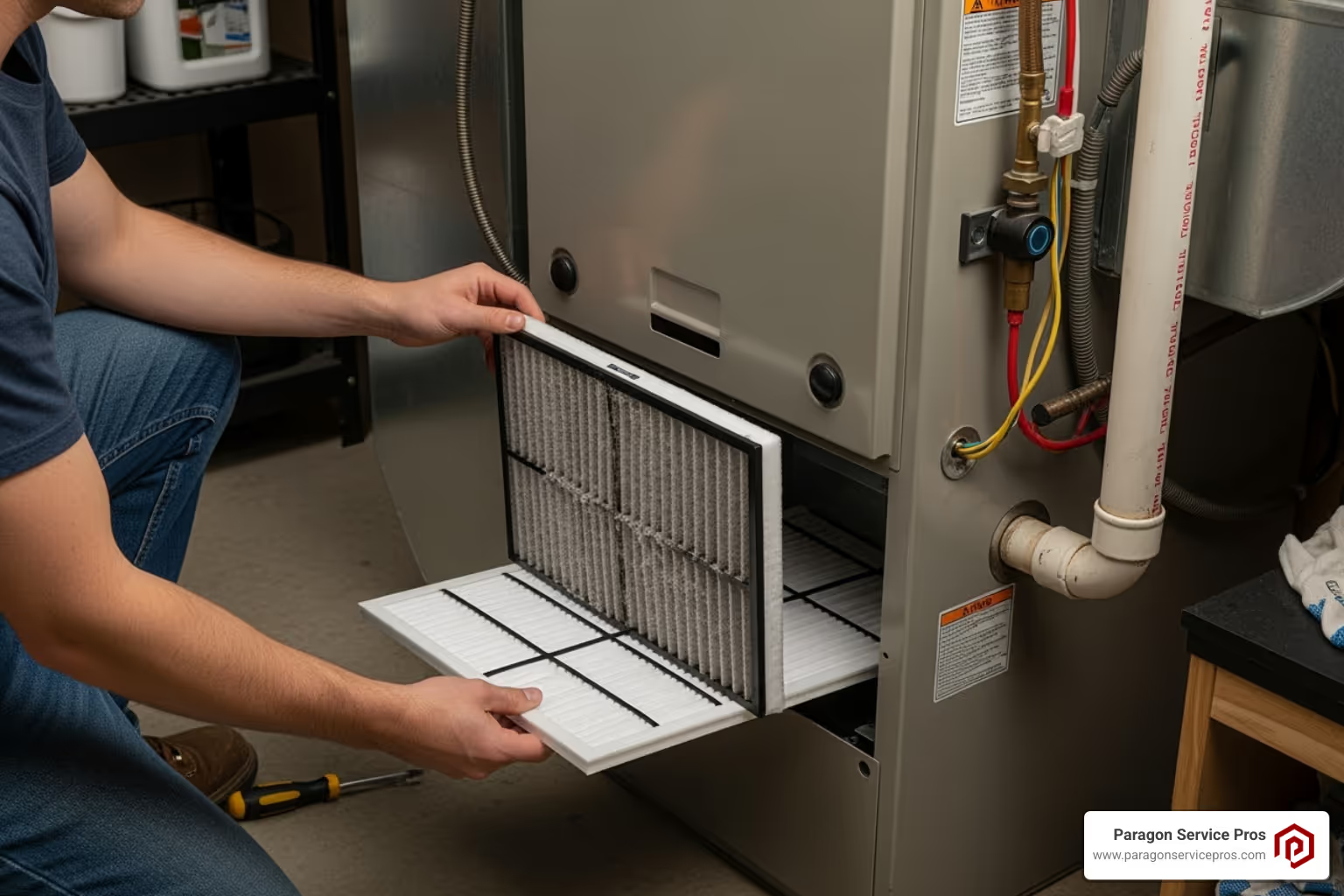
If we had to pick the villain in most HVAC system problems, it would be the humble air filter. This small, inexpensive component causes more headaches than any other part of your system. A dirty air filter is one of the most common causes of air conditioning problems, and we see it over and over again.
Here's what happens when your filter gets clogged with dust, pet hair, and debris. Your system literally can't breathe. Restricted airflow forces your blower motor to work overtime, like trying to drink a thick milkshake through a tiny straw. The motor strains, overheats, and eventually gives up.
But that's just the beginning. Overheating becomes a real problem when your system can't move enough air to cool itself down. Components start shutting off to protect themselves, leaving you without air conditioning on the hottest day of the year.
Even worse, limited airflow over your evaporator coil can cause frozen coils. Ice builds up, blocking heat transfer completely. Your AC blows warm air while working harder than ever, creating a frustrating cycle that ends with higher energy bills and potential system damage.
Changing your filter is surprisingly simple. Check it monthly - hold it up to the light, and if you can't see through it clearly, it's time for a replacement. Most filters need changing every one to three months, though Arizona's dusty conditions might require more frequent changes. It's a five-minute job that can save you hundreds in repairs.
Puddles and Drips: Clogged Condensate Lines
Water pooling around your indoor unit signals another common HVAC system problem - a blocked condensate drain line. Your air conditioner removes moisture from the air as it cools, and this water needs somewhere to go.
Normally, condensate flows into a drain pan and exits through a small pipe. But over time, algae, mold, and debris build up in this line, creating a dam. Water backs up, overflows the pan, and creates those mysterious puddles you're seeing.
This isn't just a minor inconvenience. Water damage can destroy flooring, damage walls, and even harm your HVAC unit itself. Our research shows you should turn it off immediately to avoid costly water damage when you spot leaks.
Standing water also creates perfect conditions for mold growth. Soon you'll notice musty odors coming from your vents - not exactly the fresh, cool air you're paying for.
Clearing minor clogs yourself is possible with some patience. Turn off your unit first, then locate the condensate drain line (usually a white PVC pipe near your outdoor unit). Try using a wet/dry vacuum to suction out the blockage from the outside end. Some homeowners pour a cup of white vinegar down the line monthly to prevent future clogs, but if water keeps appearing, it's time to call us in.
Simple Electrical and Thermostat Fixes
Sometimes the solution to your HVAC system problem is embarrassingly simple. Before assuming the worst, check these basic electrical and thermostat issues that catch even experienced homeowners off guard.
Tripped breakers top our list of "easy fixes that feel like major problems." Your HVAC system draws significant power, especially on startup. If the system is already strained (hello again, dirty filter), a circuit breaker might trip to protect your home's electrical system. Check your electrical panel for any switches in the middle position and flip them fully off, then back on.
Blown fuses work similarly but need replacement rather than resetting. If breakers keep tripping repeatedly though, that signals a serious electrical issue requiring professional attention - don't keep resetting it.
Here's one that makes us chuckle every time: dead thermostat batteries. You'd be amazed how many service calls end with us simply replacing two AA batteries. Check your thermostat annually, or whenever you notice the display looking dim.
Incorrect settings cause more confusion than you might expect. We've found thermostats accidentally switched to heat in summer, set to "fan only" instead of "auto," or programmed for the wrong time of day. Double-check that your thermostat shows the right temperature, mode, and schedule.
These basic troubleshooting steps solve many common issues, but they're just the beginning. For a comprehensive guide to prevention and early problem detection, check out our resource on Common HVAC Problems and How to Prevent Them.
What's That Sound? A Guide to HVAC Noises
Your HVAC system isn't meant to be silent, but some sounds are definitely cause for concern. Learning to interpret these noises can help you diagnose a potential HVAC system problem and know when to call in the pros. Normal operational sounds include the gentle hum of the fan and the whoosh of air through vents. It's the new, loud, sudden, or persistent strange noises that signal an issue.
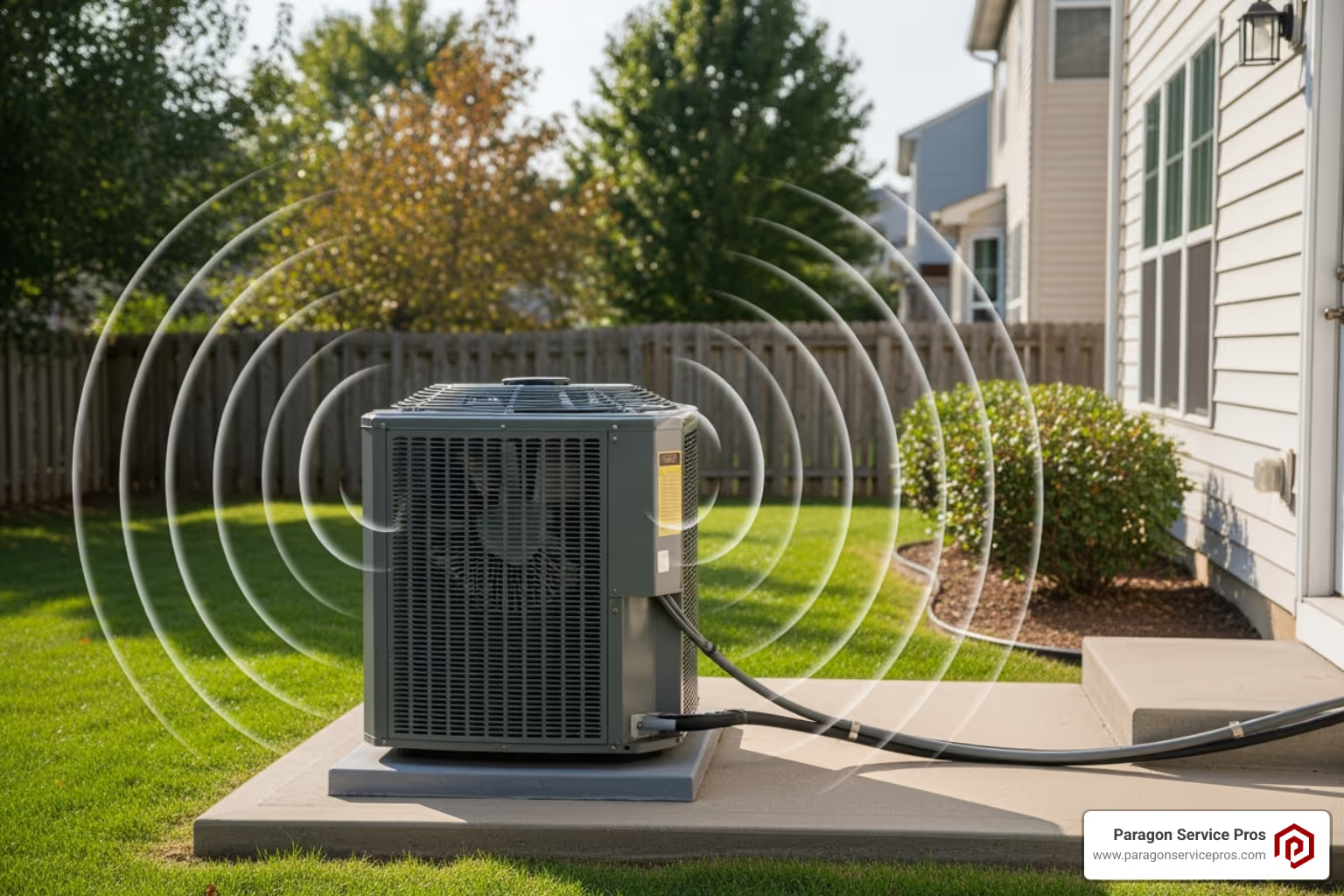
Think of your HVAC system like a car engine. When everything's running smoothly, you hear consistent, familiar sounds. But when something starts banging, grinding, or squealing, your system is trying to tell you something important. The key is knowing which sounds you can investigate yourself and which ones demand immediate professional attention.
Noises You Can Investigate Yourself
Some HVAC system problems announce themselves with sounds that aren't immediately dangerous. Rattling is often your first clue that something's loose but not broken. Start by checking your outdoor unit for loose panels or screws you can safely tighten. Sometimes leaves, twigs, or other debris get stuck in the unit, creating rattling sounds that disappear once you remove the obstruction.
Clicking sounds can be tricky because they're often completely normal. Your thermostat clicks when it turns your system on and off, and electrical relays make clicking sounds during normal operation. However, if you hear constant clicking that doesn't stop, that's when you need professional help.
Whistling sounds usually point to airflow problems. Your system is literally telling you it can't breathe properly. Check that you haven't accidentally closed any vents in your home - we know it seems logical to close vents in unused rooms, but why you shouldn't close your AC vents explains how this actually makes your system work harder. A dirty air filter is another common culprit, so replace it if it's been a while.
Noises That Demand a Professional's Attention
When your HVAC system starts making grinding noises, think of it like hearing metal scraping against metal in your car engine. This sound means something is seriously wrong inside your system - usually worn-out motor bearings or internal components that are failing. Continuing to run your system when it's grinding can turn a repair into a complete replacement.
Squealing sounds like a belt slipping in an older car, and that's essentially what's happening in older HVAC systems with belt-driven components. In newer systems, squealing usually means motor bearings are wearing out. Either way, these components won't fix themselves and will only get worse with time.
Buzzing is your system's electrical warning signal. A failing capacitor, loose wiring, or problems with electrical contactors can all create buzzing sounds. Since electrical issues can be dangerous and potentially cause fires, turn off your system immediately and call for help.
Hissing sounds often indicate refrigerant leaks, which are both expensive and potentially harmful to your health and the environment. If you hear hissing accompanied by your system struggling to cool your home, you likely have a leak that needs immediate attention.
These warning signs often appear in our research on Signs Your AC Needs Professional Maintenance. When in doubt, it's always better to have a professional diagnose the issue rather than risk turning a small problem into a major repair.

Customer Testimonials
Our customers consistently praise our fast response times, honest communication, and the dependable results they can feel in their home.
.svg)