
Need Heat Now? Top Emergency Furnace Repair Services
No heat? Discover top signs & homeowner checks for Emergency furnace service. Get fast, reliable help to restore warmth now!

When Your Furnace Fails: Understanding Emergency Heating Service
Emergency furnace service is available 24/7 to restore heat when your furnace breaks down unexpectedly. These situations require immediate professional attention to protect your family's safety and prevent property damage like frozen pipes.
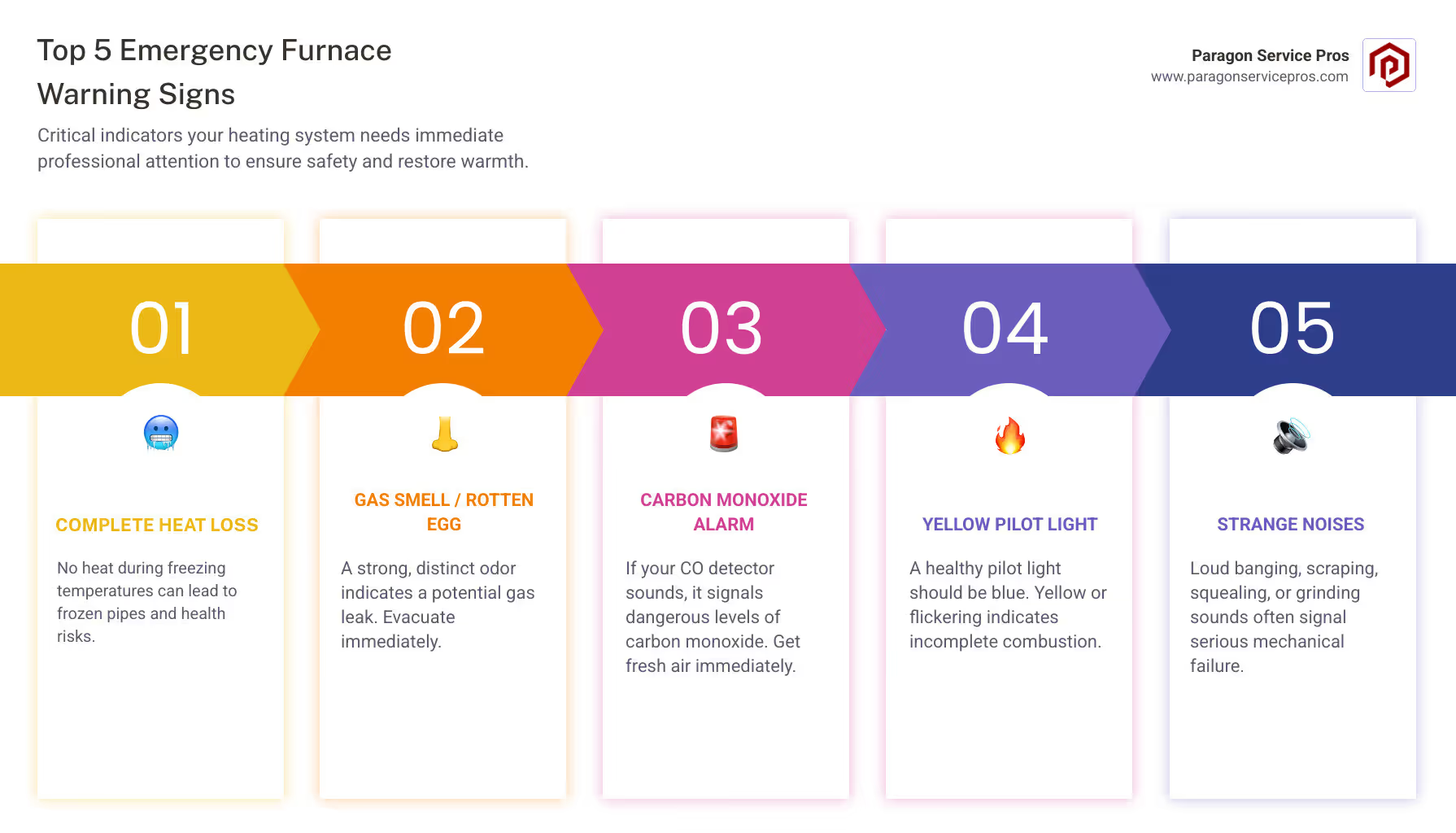
Key situations that require emergency furnace service:
- Complete loss of heat during freezing temperatures
- Gas smell or rotten egg odor near your furnace
- Carbon monoxide detector alarm activation
- Yellow or flickering pilot light instead of a blue flame
- Strange noises like banging, scraping, or squealing
- Soot buildup around your furnace unit
Furnace breakdowns don't follow business hours; they often happen when you need heat the most. During cold snaps, emergency HVAC calls can surge by 300%, causing long waits. A reliable 24/7 service provider is crucial for Arizona homeowners who depend on their heating systems during winter.
Don't wait if you notice any warning signs. Furnace malfunctions are a leading cause of home heating emergencies, with most occurring during peak winter months when your system works hardest.
Is It a Real Emergency? Warning Signs You Can't Ignore
Your furnace often gives warning signs before it fails completely. Learning to recognize these signals can mean the difference between a minor repair and a full-blown emergency furnace service call in the middle of winter.
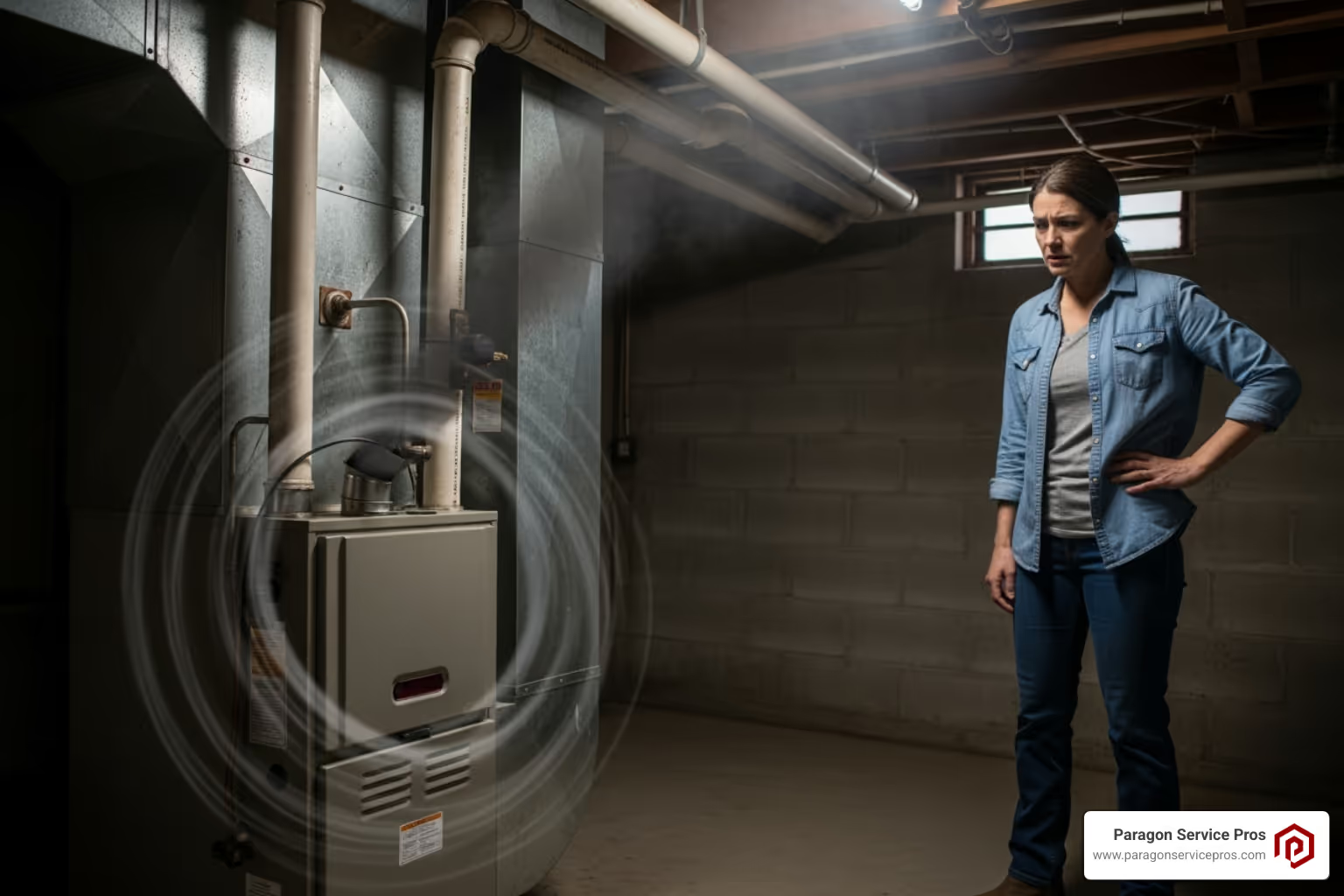
When your furnace stops producing heat entirely, especially during Arizona's chilly winter nights, it's a clear red flag. Other telltale signs that shouldn't be ignored include: strange noises, unusual smells, a yellow pilot light instead of a healthy blue flame, or your carbon monoxide detector going off.
Your furnace might also start cycling on and off frequently. These aren't just annoying quirks—they're signs your heating system is struggling.
For a deeper dive into various HVAC system troubles, check out our comprehensive guide on HVAC System Problems. And if you're curious about what that pilot light is trying to tell you, our Furnace Pilot Light page has all the answers.
Signs of a Mechanical Failure
When mechanical parts start wearing out, your once-quiet heating system might suddenly become very loud.
Banging sounds often indicate a loose part or significant expansion and contraction in the metal ducts. While minor creaking is normal, loud bangs are not.
Scraping noises are concerning as they usually mean metal parts are grinding together. This can happen if the blower wheel comes loose from its housing and can lead to expensive damage if ignored.
A high-pitched squealing sound likely points to a worn-out blower belt or failing motor bearings. While not an immediate safety hazard like a gas leak, it requires prompt attention to avoid more costly repairs.
Blower motor issues can leave you with a furnace that can't push warm air through your home. Without proper air circulation, even a functioning heating element won't keep you comfortable.
Worn-out parts like bearings, belts, and electrical components wear down over time, making your system work harder and driving up energy bills until something gives out completely.
If you're dealing with similar issues in your cooling system, our guide Air Conditioner SOS: Warning Signs Your Air Conditioner Needs Repair can help you spot trouble before it strikes.
Signs of a Safety Hazard
Some furnace problems are genuine safety emergencies that require immediate action. In these situations, act fast and call for professional help.
If you smell gas or a rotten egg odor, it's a serious emergency. Natural gas companies add this smell to alert you to leaks. If you smell it, turn off your gas supply (if safe to do so), evacuate everyone from the house, and call your gas company and an emergency furnace service from a safe location. Do not use any electrical devices, as a spark could be dangerous.
When your carbon monoxide alarm goes off, treat it as a life-saving device. Carbon monoxide is invisible, odorless, and deadly. Get everyone out immediately and call 911. Only return after emergency responders give the all-clear, then have a professional inspect your heating system.
A yellow pilot light is a warning sign. A healthy pilot light is blue and steady. Yellow, orange, or flickering flames suggest incomplete combustion, which can produce dangerous carbon monoxide. This needs immediate professional attention.
A cracked heat exchanger is a serious hazard that allows carbon monoxide from the combustion chamber to leak into your home's air supply. Watch for excessive soot around your furnace, strong odors, or changes in your pilot light color.
For these serious safety issues, you need certified professionals. You can find qualified, licensed contractors through official resources like Technical Safety BC.
When it comes to safety hazards, it's always better to be overly cautious. Your family's wellbeing is worth more than any repair bill.
Before You Call: A Quick Homeowner's Checklist
When your furnace stops working on a cold night, don't panic. Before calling for emergency furnace service, take five minutes to run through a quick checklist. The solution might be simpler than you think.
These simple troubleshooting steps can often resolve the issue, saving you time, stress, and an unnecessary service call. Your furnace can have quirks that respond well to basic troubleshooting.
Simple Steps to Try First
Start with your thermostat settings. This device controls your entire heating system, but it's easy to overlook. Make sure it's set to "heat" mode and that the temperature setting is higher than your current room temperature. If your thermostat uses batteries, pop in fresh ones.
Next, ensure the furnace power switch is on. Every furnace has a power switch that looks like a regular light switch, usually mounted on or near the unit. This switch can be accidentally flipped off.
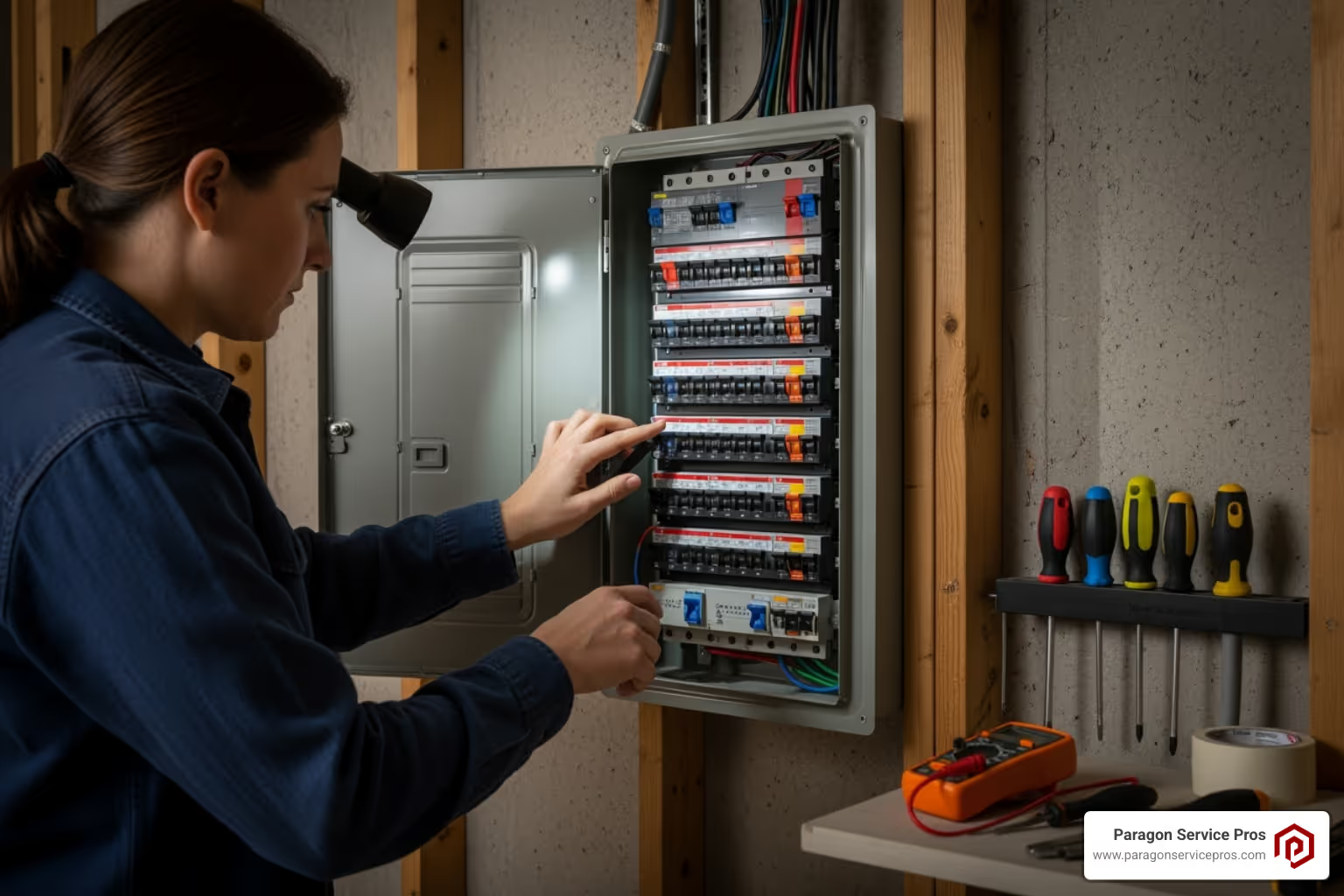
Head over to your circuit breaker panel and look for the breaker labeled "Furnace" or "HVAC." If it's tripped, it will be in the middle position. Flip it all the way to "off," then back to "on." Power fluctuations can sometimes trip this breaker.
Your air filter deserves special attention, as a dirty filter is a common cause of furnace problems. Clogged filters restrict airflow, which can cause your furnace to overheat and shut down as a safety measure. If the filter is visibly dirty, replace it immediately.
Also, make sure vents are open and unblocked throughout your home. Check that furniture, curtains, or rugs aren't blocking your supply and return vents. Proper airflow is essential for your furnace to work efficiently.
If you have a high-efficiency furnace, check the intake and exhaust vents outside. These white PVC pipes should not be blocked by snow, leaves, or other debris.
After trying these steps, give your furnace a few minutes to respond. If it still won't start, it's time to call the professionals. These checks are part of good home maintenance that can prevent bigger problems. For more tips, see our guide on Essential Maintenance Tips for Your Heating and Cooling System.
The Importance of Professional Emergency Furnace Service
When your furnace fails on a freezing night, professional emergency furnace service is your lifeline. You need a reliable expert who can restore your heat quickly and safely.
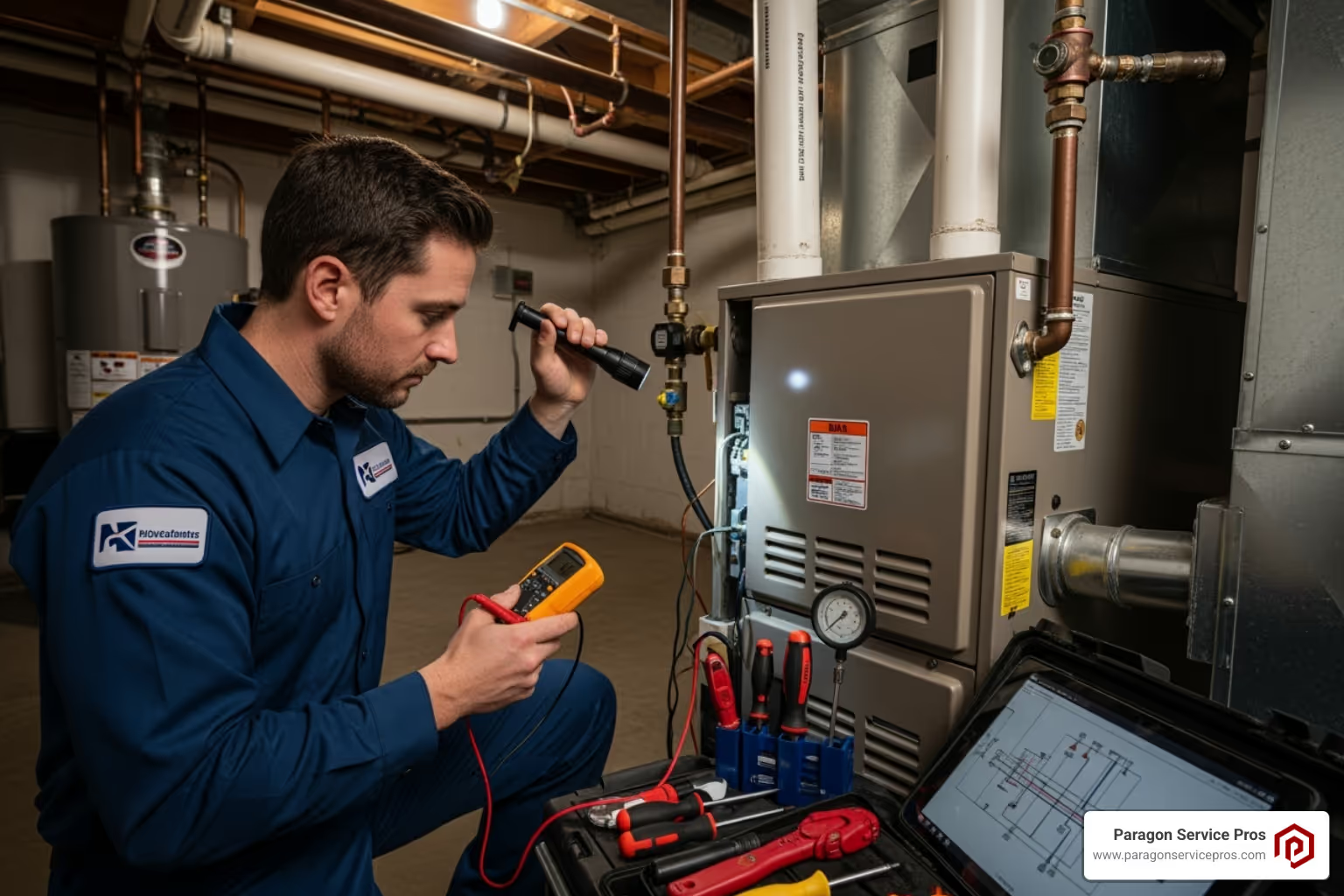
Furnace failures are unpredictable and often happen during the coldest weather when your system is under the most strain. A broken furnace is more than an inconvenience; it's a risk to your family's health and can lead to property damage like burst pipes. Reliable emergency furnace service is essential protection for your home.
Why You Need a 24/7 Emergency Furnace Service
When your furnace fails at 2 AM on a Sunday, you can't wait for regular business hours. You need help immediately.
Peace of mind comes from knowing help is available 24/7. You won't be left waiting until morning, worrying about frozen pipes while your family shivers.
Immediate dispatch means a licensed technician heads to your home quickly. Their service trucks are stocked with common furnace parts, increasing the chance of a first-visit repair.
After-hours and weekend service is crucial because heating emergencies happen at all hours, including holidays and weekends. Your repair service must be available then, too.
Quick professional intervention prevents further damage. What starts as a simple repair can escalate into major system damage or frozen pipes. Prompt service saves you from bigger headaches.
Most importantly, professional emergency furnace service restores heat quickly through systematic diagnosis and proven repair techniques. For more on our heating repair capabilities, visit our Heating Repair Services page.
Common Reasons for an Emergency Furnace Service Call
Even well-maintained furnaces can fail suddenly. Understanding what typically goes wrong can help you recognize a true emergency.
Ignition system failure is a top reason for emergency calls. A faulty igniter, pilot light problem, or dirty flame sensor will prevent the furnace from firing up, leaving you with no heat.
Blower motor malfunction is another frequent culprit. The blower motor pushes heated air through your ducts. When it fails, you might hear grinding or squealing, or the airflow might stop completely.
A broken thermostat can make your furnace act erratically. While dead batteries are a common cause, a broken thermostat can also result from wiring issues or complete failure, requiring professional diagnosis.
Cracked heat exchanger is one of the most serious reasons for an emergency call. This is a safety issue, as a crack can allow dangerous carbon monoxide to leak into your home's air supply, requiring urgent attention.
Fuel supply issues in gas furnaces, from a faulty gas valve to problems with the main gas line, always require professional handling for safety reasons. Gas-related problems are never a DIY job.
Severely clogged filters or blocked vents can cause a furnace to overheat and shut down. While preventable with regular maintenance, homeowners may not realize how restricted airflow can force a system into emergency shutdown.
The diagnostic skills of HVAC professionals are invaluable during emergencies. Our article on How AC Repair Experts Diagnose and Fix Common Air Conditioning Issues offers insights into professional diagnostic methods.
Prevention is Key: How to Avoid Future Furnace Failures
Waking up to a freezing house is a stressful experience that can often be avoided. Most furnace breakdowns are preventable with proper maintenance and care.
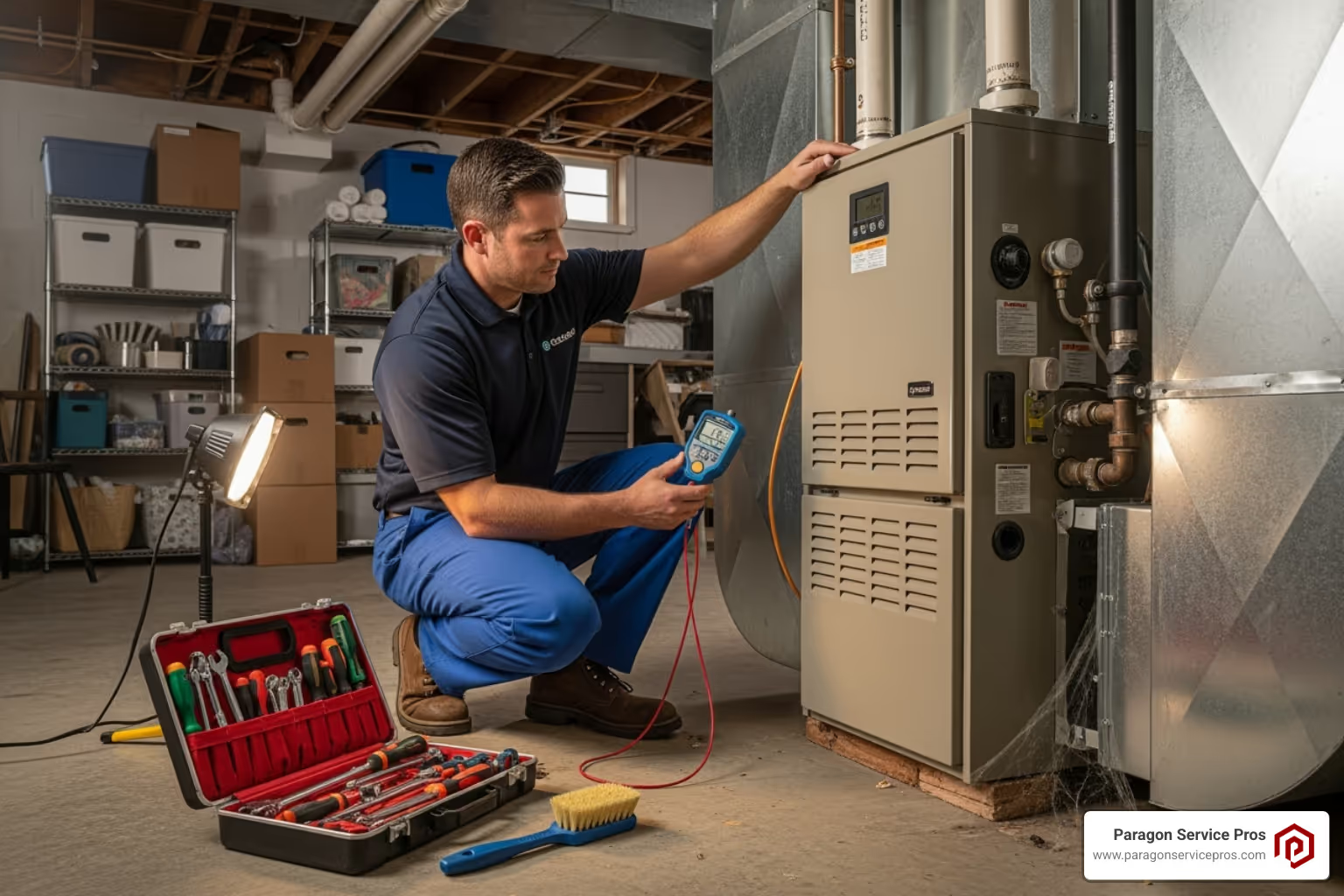
Regular maintenance isn't just about avoiding expensive repairs—it's about ensuring your home stays warm, safe, and energy-efficient for years to come.
The Role of Regular Maintenance
Regular maintenance can prevent up to 70% of unexpected furnace breakdowns, a statistic that can be a game-changer for your winter comfort and peace of mind.
During an annual tune-up, skilled technicians examine every component for wear, clean crucial parts, and make adjustments to keep the system running smoothly. They'll prevent breakdowns by catching small issues before they become middle-of-the-night emergencies.
A well-maintained furnace improves efficiency, meaning it works less to heat your home. This translates directly to lower energy bills. An efficient furnace also extends the system's lifespan, adding years to your investment.
Most importantly, regular maintenance ensures safe operation. Our technicians perform critical safety checks, including testing for carbon monoxide leaks and verifying proper ventilation. This protects your family's health and safety.
We recommend scheduling furnace maintenance in early fall, before the cold season hits. For a comprehensive approach to winter preparation, check out our Winter Prep Checklist: AC Repair and Maintenance.
Deciding Between Repair and Replacement
Sometimes, an emergency furnace service call leads to a tough decision: repair or replace? Several factors can help you decide.
The age of your furnace plays a huge role. If your furnace is 15-20 years old, it's nearing the end of its typical lifespan. Older furnaces are often less reliable and efficient than modern units.
Pay attention to the frequency of repairs. If you need frequent repairs, it's often more economical to invest in a new system than to continue patching an old one.
Your energy bills can tell an important story. Older furnaces work harder, leading to higher utility costs. Modern furnaces are significantly more energy-efficient, and the monthly savings can be substantial.
Consider your furnace's system performance. If it struggles to heat certain rooms or cycles constantly, it may be losing its ability to heat your home effectively, and replacement might be the best solution.
Our technicians provide an honest assessment to help you understand if a repair is sensible or if a new system is the better investment. For a detailed breakdown, visit our guide on Furnace Replacement vs. Repair: How to Make the Right Decision for Your Home.
Whether it's regular maintenance, a needed repair, or a complete system replacement, taking proactive steps now will save you from stressful emergency situations.
Frequently Asked Questions about Emergency Furnace Repair
When your furnace fails, you'll have questions. As experienced Arizona HVAC professionals, we've answered the most common ones about emergency furnace service.
What should I do if my furnace stops working in the middle of the night?
If your furnace stops working in the middle of the night, don't panic. First, run through a quick homeowner's checklist.
- Check your thermostat: Ensure it's set to "heat" and the temperature is set higher than the current room temperature.
- Verify the furnace power switch is on.
- Check the circuit breaker and reset it if it has tripped.
- Check the furnace filter: A clogged filter can cause a shutdown, so replace it if it's dirty.
If these steps don't restore your heat, call a 24/7 emergency furnace service provider immediately. This is critical if you have children, elderly family members, or others vulnerable to cold. Never attempt complex repairs yourself, especially if you suspect gas or carbon monoxide issues. Your safety is paramount.
How can I tell if a furnace problem is an emergency?
While not every furnace issue is an emergency, some situations demand immediate action.
Safety hazards are always emergencies. Call immediately if you smell gas, your carbon monoxide detector alarms, or your pilot light is yellow. These are potentially life-threatening situations that require a professional right away.
Complete loss of heat during freezing weather is also an emergency. It poses health risks and can lead to property damage like burst pipes.
Strange mechanical sounds like loud banging, scraping, or grinding also warrant an emergency call. These noises often indicate failing components that could cause extensive system damage.
In contrast, issues like inefficient heating or minor temperature fluctuations can typically wait for a standard service appointment during regular business hours.
Can regular maintenance really prevent most furnace emergencies?
Yes, regular, professional furnace maintenance can prevent up to 70% of unexpected breakdowns, significantly reducing the risk of a middle-of-the-night emergency.
An annual tune-up allows experienced technicians to identify and address small problems before they cause a complete breakdown. During maintenance, they can fix issues like a fraying belt, a stressed heat exchanger, or an inconsistent igniter.
Many of the furnace issues homeowners face could be prevented with regular maintenance, saving them the stress, inconvenience, and often higher costs of an emergency call.
Regular maintenance not only prevents breakdowns but also keeps your system running efficiently, which can lower your energy bills and extend the lifespan of your furnace. It's one of the best investments you can make in your home's comfort and safety.
Stay Warm and Safe with Reliable Repair
When your furnace breaks down, you need a trustworthy partner. Emergency furnace service is about restoring heat, protecting your family, and ensuring your home is a comfortable sanctuary.
At Paragon Service Pros, we know emergencies are inconvenient. Our team is ready to respond 24/7, including nights, weekends, and holidays, with the same professionalism and expertise you'd expect during business hours.
Professional service means having technicians who can quickly diagnose complex problems and prioritize your family's safety. Our service vehicles are stocked with over $20,000 worth of common repair parts, increasing the chance of fixing your furnace on the first visit, even during an emergency.
Preventative maintenance remains your best defense against unexpected breakdowns. While we're always ready for emergencies, we prefer to help you avoid them with regular tune-ups. Think of it as an investment in peace of mind that pays dividends in comfort, safety, and lower energy bills.
When furnace problems arise, some issues require immediate attention. Quick response can prevent small problems from becoming major disasters and can save lives when safety hazards like gas leaks or carbon monoxide are involved.
For immediate, expert assistance with your heating system in Chandler and the surrounding areas, contact our team for 24/7 HVAC repair services. We're here to ensure your home stays warm, safe, and comfortable all winter long.
Keep reading: Heating & Furnaces
Browse every article in Heating & Furnaces or head back to the Learning Center .
Comfort you can count on, all year long.
Same-day service, honest diagnostics, and 24/7 emergency help with no overtime fees. A real Greater Phoenix team is standing by.