

The Ultimate Guide to HVAC Upgrades for Faster Home Sales


Does a New HVAC Help Sell Your Home Faster? Here's What Arizona Sellers Need to Know
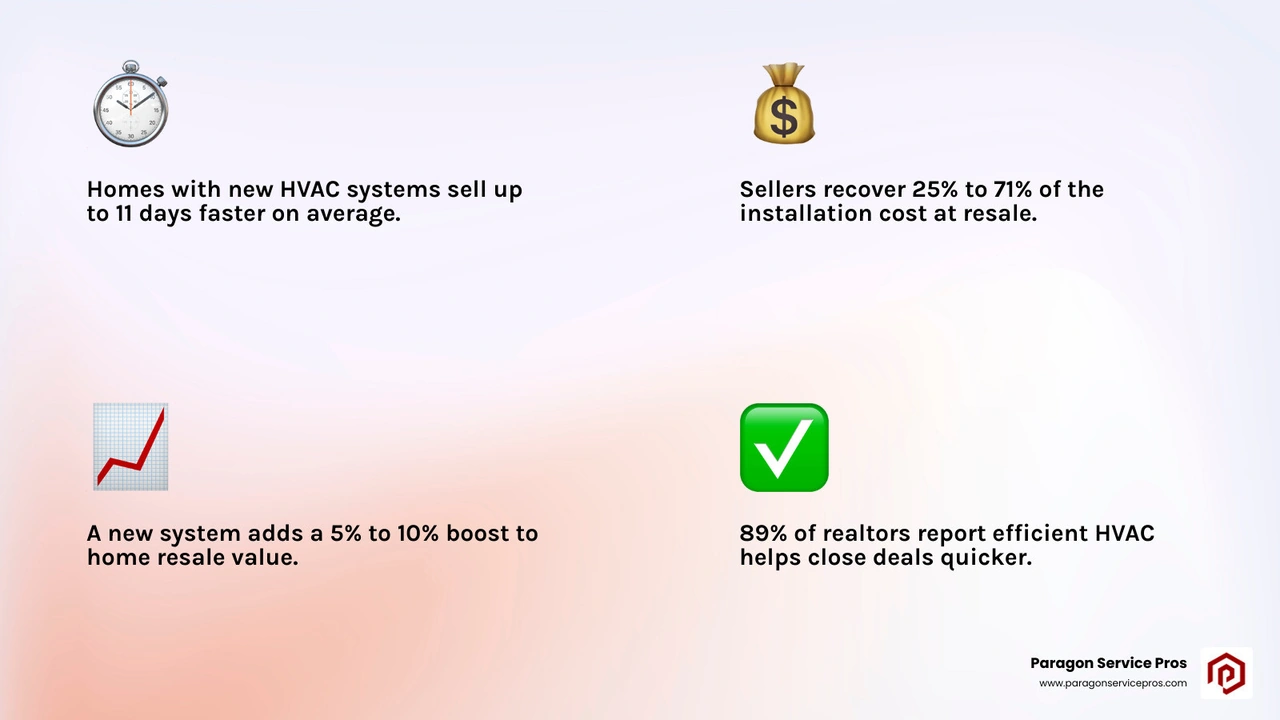
Does a new HVAC help sell your home faster? Yes — and the data makes a strong case. Here's a quick summary of what research shows:
| Factor | Impact |
|---|---|
| Sale speed | Homes sell up to 11 days faster |
| Resale value boost | 5% to 10% increase on average |
| Appraiser adjustment | $2,000 to $5,000 upward for newer systems |
| ROI at resale | Typically 25% to 71% of installation cost recovered |
| Realtor consensus | 89% say an efficient HVAC system speeds up sales |
| Buyer pool | Keeps homes eligible for FHA and VA financing |
Most sellers in Arizona focus on paint, landscaping, and kitchen updates before listing. Those things matter — but buyers are also looking hard at the systems they can't see. Your HVAC is one of the biggest ticket items a buyer mentally factors into their offer the moment they walk through the door, especially in a market where summer temperatures regularly top 110°F.
An aging or unreliable system sends a quiet but powerful message: this home needs work. A new, efficient system sends the opposite signal. It tells buyers the home has been cared for, that their utility bills will be manageable, and that they won't face a major repair bill months after closing.
This guide breaks down exactly how HVAC condition affects sale speed, appraisals, buyer confidence, and your bottom line — so you can make a smart decision before you list.
Does a New HVAC Help Sell Your Home Faster in the Arizona Real Estate Market?
In the blazing heat of the Phoenix East Valley, cooling is not a luxury—it is a survival mechanism. If you are trying to sell a home in Chandler, Gilbert, or Mesa, a functional and efficient air conditioner is the very first thing buyers evaluate. When a potential buyer walks into an open house and feels a wave of crisp, cool air, their immediate stress levels drop. If they walk in and the air is humid, warm, or the outdoor condenser unit sounds like a lawnmower struggling to start, they will likely turn right around.
So, does a new hvac help sell your home faster in Arizona? Absolutely. Real estate data shows that listings highlighting a "New HVAC" or "High-Efficiency Cooling System" stand out in a crowded market. An upgraded system acts as a powerful differentiator. When buyers compare two structurally similar homes, the one with a brand-new climate control system almost always wins.
Beyond making the home comfortable during showings, a new system addresses the buyer's fear of the unknown. Homebuyers are often cash-strapped after making a down payment and paying closing costs. The last thing they want is to inherit a failing mechanical system. By investing in your home's infrastructure before listing, you expand your buyer pool and generate stronger, faster offers. For tips on keeping your current system running efficiently while you prepare to sell, check out our guide on Maximizing Energy Efficiency: Tips for Your AC Unit.
How a New HVAC System Speeds Up the Transaction Timeline
In real estate, time is money. The longer your home sits on the market, the more likely you are to face price reductions. Fortunately, homes listed with new HVAC systems can sell up to 11 days faster than comparable homes with aging equipment.
A brand-new system speeds up the transaction timeline in several distinct ways:
- Fewer Inspection Hurdles: Home inspectors are notoriously thorough. An old, dirty, or struggling AC unit will immediately be flagged on the inspection report. This often leads to a frantic round of negotiations, delays, and demands for last-minute repairs.
- Smooth Financing Approvals: Many traditional lenders, as well as FHA and VA programs, require the home's primary systems to have a reasonable remaining economic life. A failing AC unit can stall loan approval entirely.
- Elimination of Buyer Cold Feet: Major mechanical issues uncovered during inspections are a primary reason why pending home sales fall through. A new system ensures your transaction moves smoothly from contract to close.
The unique weather conditions in our area put incredible stress on cooling systems. To understand how our local climate impacts mechanical longevity, read about How Arizona Desert Climate Affects Your HVAC.
Why Energy Efficiency is a Top Priority for 2026 Buyers
As we move through May 2026, buyer priorities have shifted dramatically. While beautiful countertops are nice, today's buyers are increasingly focused on the ongoing cost of homeownership. With energy costs rising, prospective buyers in Queen Creek and San Tan Valley are asking to see utility bills before making an offer.
Modern, high-efficiency HVAC systems can reduce monthly cooling bills by 20% to 40% compared to systems manufactured a decade ago. Buyers are highly aware of this. In fact, research shows that homes with verified energy-efficient upgrades can sell for a premium of 5% to 8% more than homes with outdated, energy-guzzling equipment.
When marketing your home, highlighting the system's SEER2 (Seasonal Energy Efficiency Ratio) rating is a major selling point. A higher SEER2 rating translates directly to lower utility bills. To learn more about how these ratings are calculated and why they matter to buyers, take a look at our article on Understanding SEER Ratings: What They Mean for Your AC and Heating System.
How a New HVAC System Increases Home Value and Appraisal Strength
When you replace your HVAC system, you are not just making a cosmetic change; you are making a capital improvement that directly impacts your home's appraisal value. Appraisers do not look at a home through the same lens as a typical buyer. While a buyer might fall in love with a freshly painted accent wall, an appraiser looks at the "effective age" of the home's major structural and mechanical systems.

A brand-new HVAC system dramatically lowers the effective age of your home's mechanical systems. Appraisers typically adjust their valuations upward by $2,000 to $5,000 for homes with new, high-efficiency heating and cooling equipment. This hard equity boost provides a solid foundation for your asking price, ensuring that your home appraises at or above the contracted sales price when the buyer's lender orders the valuation.
Does a new hvac help sell your home faster by boosting appraisal values?
Yes, because a strong appraisal is the key to securing buyer financing. If a home appraises for less than the agreed-upon purchase price, a "valuation gap" is created. When this happens, the buyer must either pay the difference in cash, the seller must drop the price, or the deal falls apart.
By upgrading your HVAC, you provide concrete, documented proof of value that the appraiser can use to justify a higher valuation. This is particularly important because of recent regulatory changes. The industry has transitioned to newer, environmentally friendly refrigerants like R-454B to comply with EPA mandates. Homes with older systems using phased-out refrigerants like R-22 face steep appraisal penalties because those systems are now incredibly expensive to service and repair.
To stay ahead of these regulatory shifts and understand how they affect your home's market value, read What You Need to Know About the 2025 Shift in HVAC Refrigerants and Efficiency Standards.
Comparing ROI: Which Systems Offer the Best Return?
Not all HVAC upgrades are created equal when it comes to resale value. The return on investment (ROI) depends heavily on the type of system you choose and how well it fits your home's layout. In our local market, heat pumps and high-efficiency central split systems deliver the absolute best return for sellers.
| HVAC System Type | Typical Resale Value Added | Estimated Direct ROI | Best Suited For |
|---|---|---|---|
| High-Efficiency Heat Pump | High | 50% - 71% | All Arizona homes; highly favored for dual heating/cooling efficiency |
| Standard Central AC | Moderate | 25% - 30% | Homes with existing ductwork in good condition |
| Ductless Mini-Split | Variable (Per Zone) | 30% - 40% | Homes with home additions, casitas, or sunrooms lacking ductwork |
Strategic Timing: When to Replace Your System Before Listing
Deciding when to pull the trigger on an HVAC replacement is a common dilemma for sellers. As a general rule of thumb, real estate professionals point to the 15-Year Rule. If your air conditioning system is 15 years or older, it has reached the end of its reliable operational lifespan. In the harsh desert climate of Gold Canyon and Mesa, heavy summer usage can compress this lifespan even further, often making replacement necessary after 9 to 12 years.
If your system is approaching these milestones, replacing it before you list is almost always the smartest move. If you wait until the home is under contract, you lose all your leverage. You will likely be forced to rush the installation, pay premium rates, and miss out on valuable utility rebates or tax incentives.
Our extreme local weather patterns put unique demands on residential equipment. Discover how these climate shifts affect your system by reading How Desert Temperature Swings Affect Your HVAC.
Signs Your Current Heating and Cooling System is a Deal-Breaker
If your system is not quite 15 years old but is showing signs of decline, you need to assess whether it will survive a home inspection. There are several red flags that tell buyers and home inspectors that your HVAC is a ticking financial time bomb:
- Frequent Short-Cycling: The system turns on and off rapidly without completing a full cooling cycle.
- Uneven Temperatures: The master bedroom feels like a sauna while the living room is freezing.
- Outdated Refrigerant: The unit still runs on R-22 (Freon), which has been phased out and is astronomically expensive to recharge.
- Unusual Noises: Squealing, clanking, or grinding noises coming from the outdoor compressor.
If you are trying to decide whether to invest in one last repair or replace the unit entirely before listing, take a look at our guide on Furnace Replacement vs. Repair: How to Make the Right Decision for Your Home.
Does a new hvac help sell your home faster than offering a buyer credit?
Many sellers wonder if they can simply bypass the hassle of replacement by offering a financial credit to the buyer at closing. While this seems easier on paper, it rarely works out in the seller's favor.
Here is why replacing the system is far superior to offering a credit:
- Credits Don't Help the Listing Stand Out: A buyer credit is buried in the agent remarks. A brand-new HVAC system, however, can be proudly displayed in the main listing description to attract more showings.
- Buyers Overestimate Costs: If a buyer sees an old AC unit, they will often assume replacement will cost twice as much as it actually does. They will write a lowball offer to compensate for this perceived "headache."
- Lender Restrictions: Some mortgage programs do not allow large seller credits for essential mechanical systems. If the system is deemed non-functional, the lender may require it to be replaced prior to closing anyway.
When choosing a replacement system to maximize your home's appeal, read The Ultimate Guide to Choosing the Right Furnace for Your Home.
Leveraging Tax Credits and Arizona Rebates to Lower Net Costs
One of the biggest advantages of replacing your HVAC system before listing is that you, the seller, can claim federal tax credits and local utility rebates to offset the upfront cost. This significantly improves your net ROI. The buyer gets a brand-new system, and you get to keep more equity in your pocket at closing.
By stacking federal incentives with local programs, you can drastically reduce the net investment required for a premium, high-efficiency upgrade.
Maximizing Federal Tax Credits for Heat Pump Upgrades
Under the Inflation Reduction Act, homeowners can take advantage of substantial federal tax credits for installing energy-efficient heat pumps. These credits can cover up to 30% of the project cost, up to a maximum annual limit of $2,000 for qualifying heat pumps.
Because heat pumps provide both heating and cooling with incredible efficiency, they are highly sought after by eco-conscious buyers in May 2026. For a detailed breakdown of how to qualify for these federal savings, read our overview of Federal Tax Credits for Heat Pump Upgrades.
Navigating SRP, APS, and Arizona State Rebates
In addition to federal tax credits, local utility providers in the Phoenix metro area offer fantastic rebate programs for energy-efficient cooling systems. Depending on where your home is located, you can secure rebates directly through Salt River Project (SRP) or Arizona Public Service (APS).
These rebates are designed to reward homeowners who upgrade to high-efficiency systems that reduce strain on the local electrical grid during peak summer months. To learn how to navigate these programs, apply for savings, and maximize your financial return, explore these resources:
- Arizona Energy Rebates for HVAC Upgrades
- How to Apply for Energy Rebates in Arizona
- SRP and APS Rebates for Phoenix Area Homeowners
Preparing Your HVAC Documentation to Maximize Perceived Value
Once your new system is installed, you need to make sure buyers actually know about it. Do not rely on them simply noticing the outdoor unit. To maximize the perceived value of your upgrade, compile a comprehensive "Home Comfort Folder" to leave on the kitchen counter during showings.
This folder should contain:
- Installation Invoices: Showing the exact date of installation and the professional contractor who performed the work.
- Permit Records: Proving that the installation was done legally and up to local Arizona building codes.
- Warranty Information: Highlight any transferable manufacturer warranties, which offer incredible peace of mind to the new owner.
- Utility Bills: If you lived in the home for a few months after the installation, include before-and-after utility bills to prove the energy savings.
Providing this level of transparency shows buyers that you are a meticulous homeowner who did not cut corners. To learn more about how energy efficiency translates into marketing power, check out Energy Efficiency Matters: The Benefits of Upgrading Your Old Furnace.
Frequently Asked Questions About HVAC and Home Sales
How much resale value does a new HVAC system typically add to a home?
On average, a new HVAC system adds between 5% and 10% to a home's resale value. For a mid-range home in the Phoenix East Valley, this can translate directly into several thousand dollars in hard equity. It also provides a vital defensive benefit by preventing buyers from demanding steep price concessions during inspection negotiations.
Can an aging AC unit prevent a buyer from getting a mortgage?
Yes. If a home inspector notes that the primary cooling or heating system is non-functional, unsafe, or at immediate risk of failure, traditional lenders (including FHA and VA programs) may refuse to fund the loan until the system is replaced. A certified "life expectancy" statement from a licensed HVAC technician is often required for older units to keep the transaction moving forward.
What are the best alternatives to a full replacement if my system still works?
If your system is under 10 years old and has been well-maintained, a full replacement may not be necessary. Instead, you can reassure buyers by scheduling a comprehensive professional tune-up, replacing the air filters, cleaning the outdoor condenser coils, and upgrading to a modern smart thermostat. This shows that the system is in prime working order without the upfront cost of a full installation.
Conclusion
When it comes to selling your home quickly and for top dollar, prioritizing structural and mechanical integrity is key. While cosmetic upgrades catch the eye, a brand-new, energy-efficient HVAC system wins the buyer’s trust, secures the appraisal, and ensures a seamless closing process.
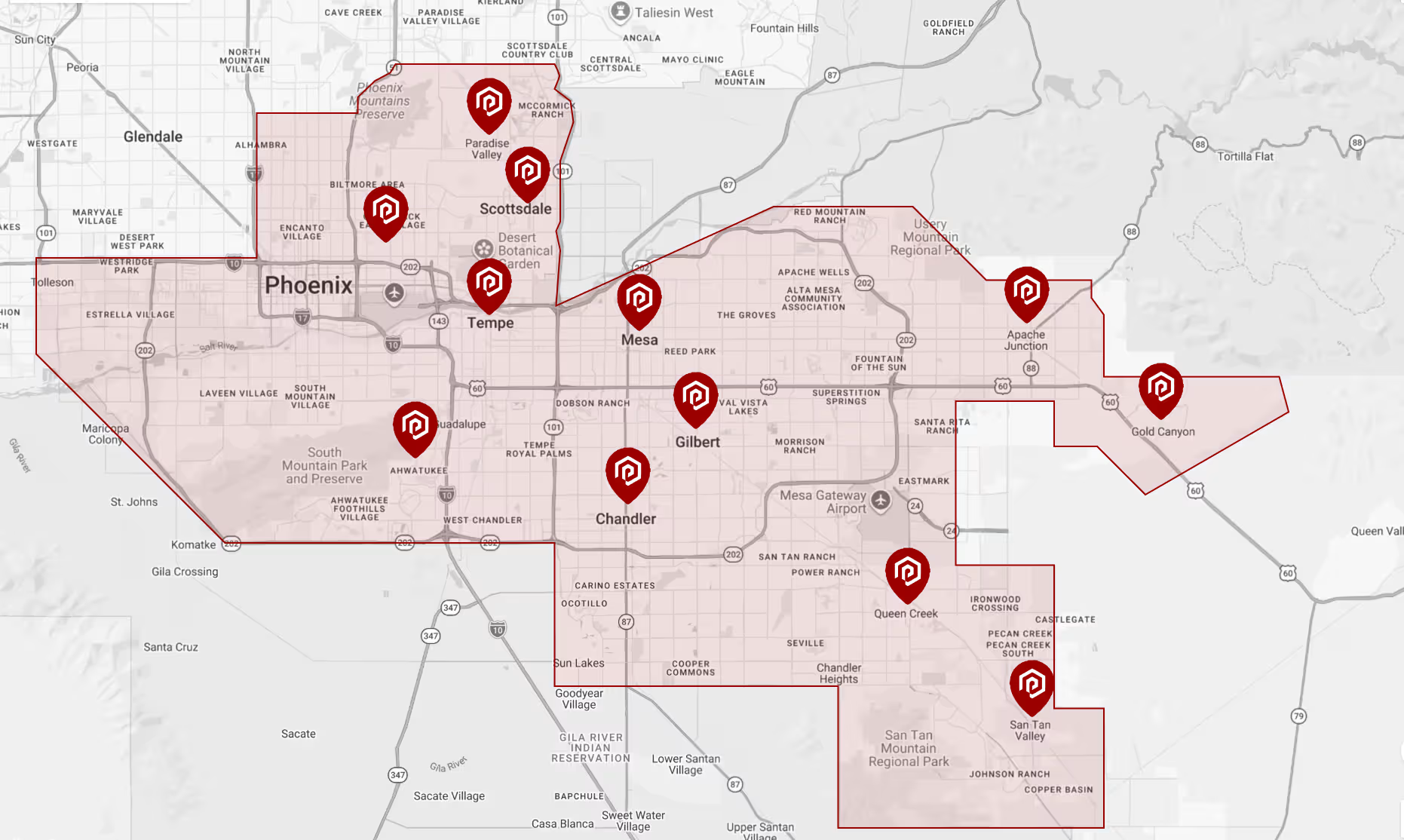
At Paragon Service Pros, we specialize in helping homeowners in Chandler, Gilbert, Mesa, Queen Creek, San Tan Valley, and Gold Canyon maximize their home comfort and property value. Whether you need a pre-listing system inspection, a professional tune-up, or a full system upgrade, our team of highly skilled, locally trusted technicians is here to help.
To make sure you are making the smartest investment for your property, read our guides on Why Choose an A+ BBB Rated HVAC Contractor and the Benefits of Choosing a Locally Trusted HVAC Company. If you are ready to explore the best setup for your home, take a look at the Best HVAC Setup for Arizona Weather or contact us today to schedule an HVAC Replacement. Let’s get your home market-ready!
Why Paragon Service Pros?


Expert HVAC Services We Provide
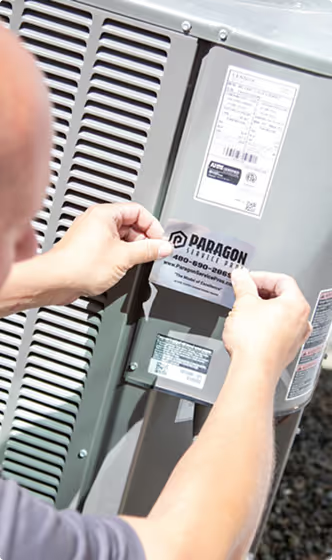
Reliable service starts with experts you can trust in your home. We deliver honest, efficient solutions backed by skilled technicians who get the job done right the first time.


At Paragon Service Pros, we don’t just understand HVAC; we understand the Arizona heat. With local offices in Queen Creek and Tempe, we provide rapid, reliable cooling and heating solutions tailored to the East Valley lifestyle. Whether you’re dealing with a mid-July breakdown or looking to upgrade your home’s efficiency, our team is right around the corner, ready to serve our neighbors with integrity.

24/7 Emergency HVAC Repair & Diagnostics
Energy-Star® Certified System Installations
Full-Service Heating & Cooling System Maintenance
Custom Ductwork Design & Airflow Optimization
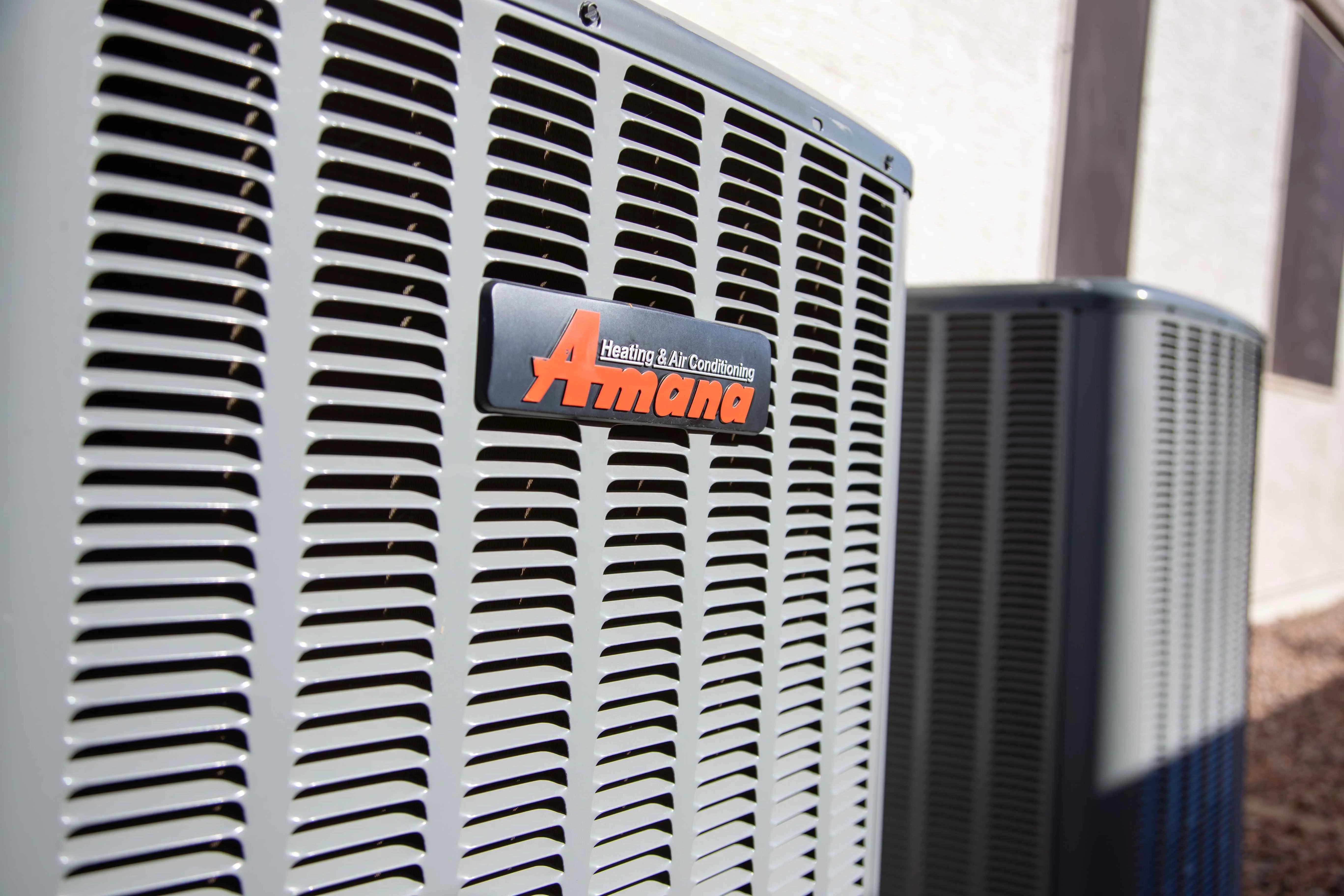
In Arizona, a working AC isn't a luxury—it's a necessity. Our Tempe and Queen Creek teams specialize in high-efficiency cooling systems designed to withstand 110°+ temperatures. From emergency repairs to new system installations, we ensure your Arizona home remains a sanctuary from the desert heat.
Emergency AC Repair & 24/7 Troubleshooting
Precision Tune-Ups & Seasonal Maintenance
High-Efficiency AC Installation & Replacement
Multi-Zone Ductless Mini-Split Systems
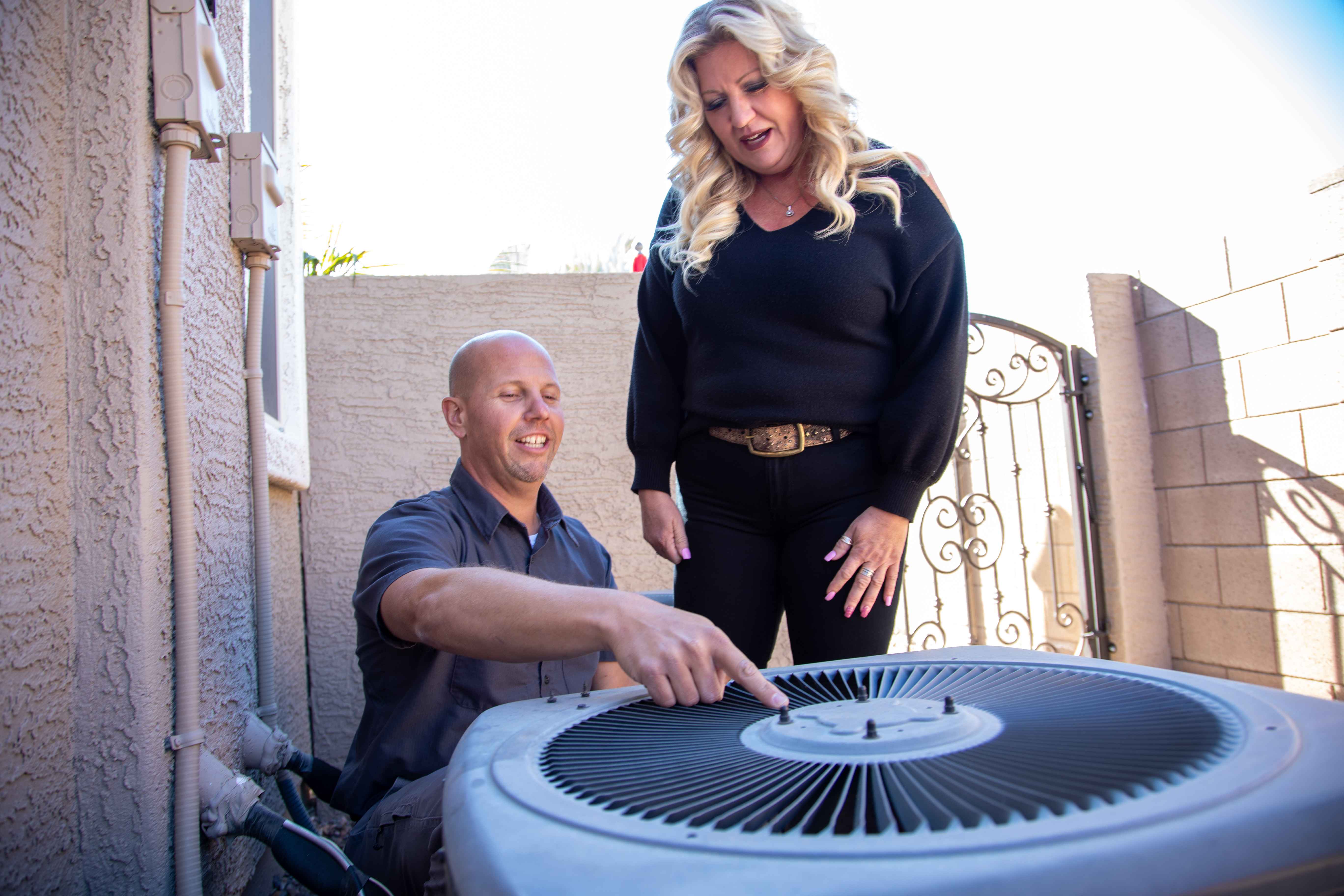
Desert nights can get surprisingly cold. Our expert technicians ensure your heater or furnace is ready for the Arizona winter. We provide fast, honest heating services to keep your family cozy when the sun goes down over the Superstitions.
Expert Furnace Repair & Maintenance
Reliable Heat Pump Services
Energy-Efficient Heating Installation
Emergency Heating Support
_11zon.jpg)
Our heat pump services provide efficient year-round comfort with reliable heating and cooling in one system. We deliver expert repairs, quality installations, and routine maintenance to keep your equipment performing at its best. With our trusted team, you get dependable comfort and energy savings season after season.
Dual Heating & Cooling
Eco-Friendly Comfort
Energy-Efficient Performance
Lower Your Electric Bill
Quiet, Reliable Operation
Long-Term Durability
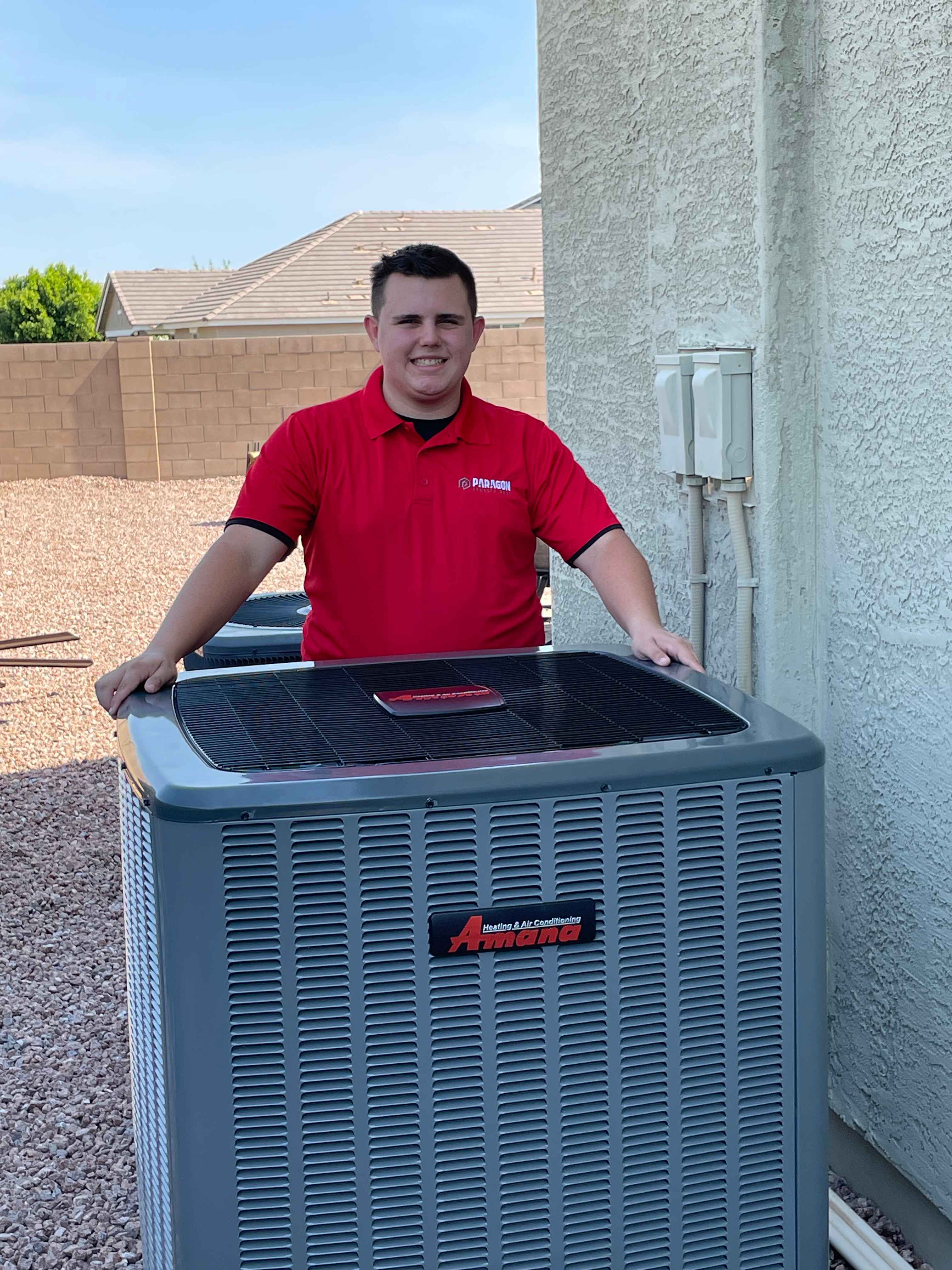
Maximize every inch of your home, from your garage workshop to your Arizona Room. Our ductless mini-split solutions provide targeted comfort for those unique desert spaces that traditional central air can't reach. Perfect for Queen Creek custom homes and Tempe renovations.
High-Efficiency Ductless Cooling
Improved Indoor Air Quality
Precision Temperature Control
Rapid Installation
Smart Home Ready
Professional Ductless Installation

Customer Testimonials
Our customers consistently praise our fast response times, honest communication, and the dependable results they can feel in their home.
How Queen Creek's Afternoon Sun Bakes South-Facing Condensers (And the Shade Solutions That Actually Work)
July 24, 2026
.svg)
Choosing Between a Capacitor Replacement and a New Condenser When Your AC Fails at 110 Degrees
July 23, 2026
Why Topping Off Your AC Freon Every July is Costing You More Than a Permanent Leak Fix
July 22, 2026
SERVICE AREAS