
The Price of Cool: A Deep Dive into HVAC Installation Costs
Compare mini split vs central ac cost comparison in Arizona: installation, efficiency, savings & resale value for Gilbert, Mesa homes.

The Real Mini Split vs Central AC Cost Comparison: What Arizona Homeowners Need to Know
The mini split vs central ac cost comparison is one of the most common questions homeowners face when upgrading their home comfort system — and the answer depends heavily on one thing: whether your home already has ductwork.
Here's a quick breakdown to help you decide:
| Factor | Mini Split | Central AC |
|---|---|---|
| Best for homes without ducts | Yes | No (adds significant cost) |
| Best for homes with existing ducts | Possible, but pricier per zone | Yes |
| Energy efficiency (SEER2) | 18–30+ | 14–21 |
| Zoned temperature control | Yes | Not without add-ons |
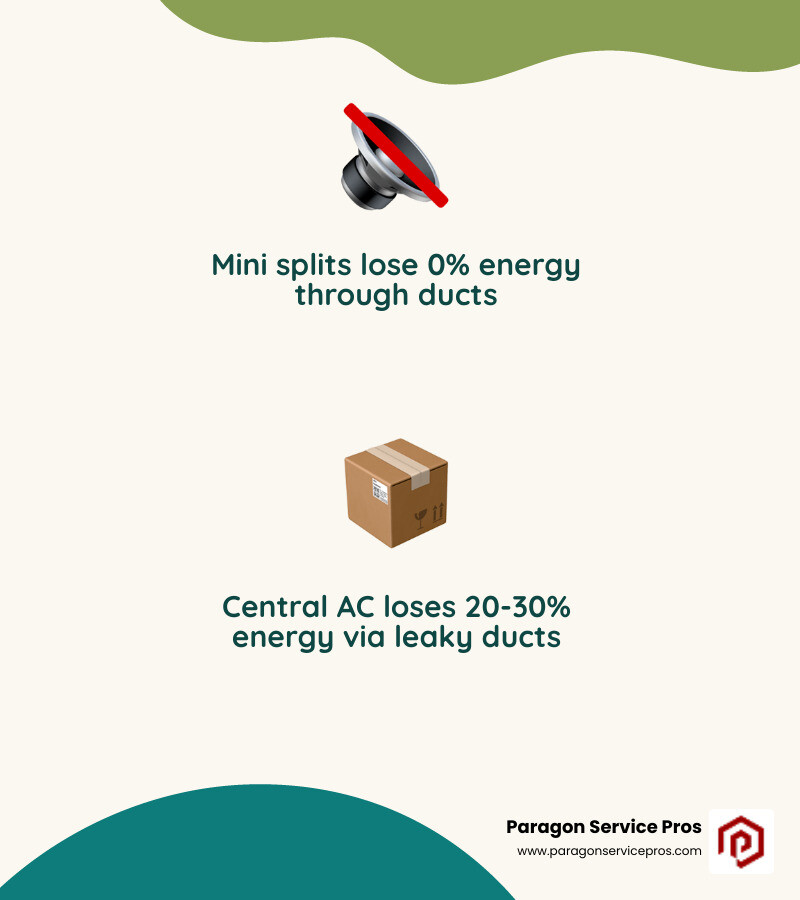
| Energy lost through ducts | None | Up to 20–30% |
| Heating capability included | Yes (heat pump) | Requires separate furnace |
| Typical system lifespan | 15–20 years | 12–20 years |
In Arizona's brutal summer heat, your HVAC system works harder than almost anywhere else in the country. That makes efficiency — not just upfront price — the metric that really matters over time. A system that loses 20–30% of conditioned air through leaky ductwork isn't just uncomfortable. It's quietly draining your wallet every single month.
For most Arizona homeowners, the decision comes down to three things:
- Do you have existing ductwork in good condition? If yes, central AC is often the more straightforward path.
- Are you cooling an addition, casita, or older home without ducts? A mini split is almost always the smarter move.
- Do you want room-by-room temperature control? Mini splits offer built-in zoning that central systems simply can't match without expensive upgrades.
Neither system is universally better. But in the right situation, one can save you significantly more over 10–15 years than the other.
Analyzing the Mini Split vs Central AC Cost Comparison
When we look at the mini split vs central ac cost comparison in 2026, we have to look past the initial sticker price. As experts serving the East Valley from Mesa to San Tan Valley, we’ve seen that the "cheapest" option on day one often becomes the most expensive over a decade of Arizona summers.
The primary driver of the cost difference is infrastructure. Central AC relies on a massive network of hidden veins—your ductwork—to move air. If those ducts are already there and in good shape, central AC is a strong contender. However, if you are building an addition in Gilbert or finishing a casita in Queen Creek, the cost of adding ductwork can be a "hidden monster" that tips the scales toward a ductless system.
Efficiency ratings also play a major role. Modern mini split systems often boast SEER2 ratings between 20 and 30+, while even high-end central systems typically hover between 14 and 21. In a climate where the AC runs for six to eight months straight, those efficiency points translate into real savings. Furthermore, mini split systems offer zoning by default. Instead of cooling the whole house to 72 degrees just to sleep comfortably in one bedroom, you can target the cooling exactly where you are.
How Ductwork Influences the Mini Split vs Central AC Cost Comparison
Ductwork is the single most important variable in this equation. For homes in older parts of Mesa or historic areas where ducts were never installed, trying to retrofit a central AC system is a massive undertaking. It involves cutting into walls, dropping ceilings, and potentially losing closet space. This structural work often costs as much as the HVAC unit itself.
Even if you have ducts, are they "worth keeping"? Research shows that the average central AC system loses 20% to 30% of its conditioned air through leaks, cracks, and poor insulation. In the 115-degree heat of a Gold Canyon summer, your attic can reach 150 degrees. If your ducts are leaking in that environment, you're essentially paying to cool your crawlspace. This is why many homeowners are looking at our Ductless AC Install Gilbert Guide to see if bypassing the ducts entirely is a better long-term investment.
Energy Efficiency in the Mini Split vs Central AC Cost Comparison
Efficiency in 2026 is measured by SEER2 (Seasonal Energy Efficiency Ratio 2), which reflects real-world duct pressures. Mini splits are the undisputed heavyweight champions here. They use inverter technology, which we like to describe as a "dimmer switch" for your cooling.
Traditional central AC units are often "all or nothing"—they kick on at 100% power and shut off once the thermostat is satisfied. This constant cycling is hard on the equipment and uses a lot of electricity. Mini splits, however, use variable-speed compressors that slow down or speed up to maintain a perfect temperature. Because they don't have to push air through thirty feet of dusty metal ducts, they eliminate thermal loss and friction, making them 30-50% more efficient than older central units. For a deep dive into these differences, check out our guide on Picking the Suitable Cooling System Ductless vs Ducted Air Conditioning.
Installation Variables: Infrastructure and Labor Complexity
The complexity of AC installation varies wildly between these two systems. A central AC replacement is usually a "drop-in" job if the ducts and electrical are ready. We swap the indoor coil and the outdoor condenser, and you're back in business.
Mini splits, however, require a more nuanced approach. Each indoor "head" (the unit on the wall) requires its own refrigerant line, drain line, and electrical connection to the outdoor unit. If you're doing a whole-home multi-zone system, the labor hours can add up. However, the "structural footprint" is tiny—usually just a three-inch hole in the exterior wall. This preserves the integrity of your home's structure and avoids the messy demolition associated with new ductwork.
Impact of Home Layout on System Choice
Home layout is a major factor for our neighbors in Mesa and Chandler. Many homes here have "problem rooms"—that one bedroom over the garage or the sunroom that never seems to get below 80 degrees. In these cases, the mini split vs central ac cost comparison favors the mini split as a supplemental system.
For casitas, guest houses, or new room additions, extending ductwork from the main house is often inefficient and expensive. A single-zone mini split provides independent comfort for that specific space without taxing your main system. If you're curious about how this works for specific Mesa neighborhoods, our Ductless Mini Split Install Mesa AZ Guide offers localized insights.
Timeline and Structural Requirements
When the Arizona heat is on, nobody wants a two-week construction project. Central AC replacements with existing ducts are usually the fastest, often completed in a single day. If you need new ductwork, however, the timeline stretches into weeks as contractors move through your attic and walls.
Mini splits sit in the middle. A single-zone installation is quick and clean, while a five-zone whole-house system takes a bit more coordination. We focus on clean workmanship, ensuring the refrigerant lines are neatly covered and the outdoor unit is placed on a stable, level pad. For those facing a total system failure, we prioritize AC replacement to get your home back to a livable temperature as quickly as possible.
Long-Term Operational Efficiency and Energy Savings
The "Price of Cool" isn't just what you pay the day of installation; it’s what you pay the utility company every month for the next 15 years. This is where the mini split vs central ac cost comparison really starts to favor ductless technology.
Because mini splits allow for zoned cooling, you stop paying for "phantom cooling"—the act of cooling rooms that nobody is using. Think about it: you wouldn't leave every light in your house on all day, so why cool every room to the same temperature? By only cooling the rooms you're occupying, you can see a significant drop in your kWh usage.
| System Type | Avg. SEER2 Rating | Energy Waste (Duct Loss) | Estimated Monthly Savings |
|---|---|---|---|
| Standard Central AC | 14–16 | 20–30% | Baseline |
| High-Efficiency Central | 18–21 | 15–20% | 15–20% |
| Ductless Mini Split | 20–30+ | 0% | 30–50% |
To keep these savings high, mini split maintenance is essential. While you don't have ducts to clean, you do have filters in every indoor unit that need a quick rinse every few weeks.
Monthly Utility Impact in the Mini Split vs Central AC Cost Comparison
In the middle of a July heatwave in Gilbert or San Tan Valley, your electric bill can be a source of major stress. The inverter technology in mini splits prevents the massive "inrush" of current that happens every time a traditional AC compressor kicks on. By running at a low, steady speed, the mini split sips electricity rather than gulping it.
For many of our customers, switching to a zoned ductless system has reduced their cooling-related electricity costs by 30% to 40%. When you multiply that by the decade-long lifespan of the unit, the mini split often pays for its higher upfront equipment cost through utility savings alone. For more details on managing these costs in our specific climate, see our Ductless Mini Split Guide Gilbert AZ.
Maintenance and Repair Considerations
Maintenance is a bit of a trade-off. Central AC systems are centralized (obviously), meaning there is only one indoor filter to change and one unit to service. However, they require duct cleanings every few years to maintain air quality and efficiency.
Mini splits require you to be a bit more hands-on. You’ll need to clean the filters in each indoor head regularly. On the repair side, mini splits use specialized components like electronic expansion valves and complex circuit boards. While these are incredibly reliable, they require a technician who understands inverter technology. We specialize in mini split repair, ensuring that these high-tech systems continue to run at peak performance despite the dust and heat of the Arizona desert.
System Longevity and Home Resale Value in Arizona
Homeowners in Chandler and Mesa are increasingly energy-conscious. When it comes time to sell, a home with a high-efficiency HVAC system is a major selling point. Historically, central AC was the "gold standard" for resale because it was what buyers expected. However, in 2026, the market has shifted.
Buyers now recognize that a whole-home mini split system or a high-efficiency heat pump means lower monthly bills and better comfort. A home with independent temperature control for every bedroom is often viewed as a premium upgrade. If you’re considering an upgrade mainly for resale, we often suggest a mini split replacement for older, inefficient systems to boost your home’s marketability.
Resale Value Trends in Gilbert and Mesa
In the growing markets of Gilbert and Queen Creek, we're seeing a trend where homeowners add mini splits to garages or workshops. This "conditioned square footage" can significantly increase property value. A garage that is 110 degrees is just a storage unit; a garage that is 75 degrees is a gym, a workshop, or a hobby room.
Property values in the East Valley respond well to modern, efficient upgrades. While central AC is still highly valued for its "invisible" nature, the visible indoor units of a mini split are no longer the deterrent they once were, especially given the sleek, modern designs available today. For more on how this impacts homes in your area, check out Ductless AC Replacement Gilbert.
Lifespan Expectations for Desert Climates
The Arizona desert is a "harsh mistress" for HVAC equipment. The extreme heat causes components to expand and contract, and the fine desert dust can clog coils and wear down motors. Both systems typically last 15 to 20 years, but only if they are properly cared for.
Central AC units often struggle with "short cycling" in our heat if they aren't sized perfectly, which can lead to early compressor failure. Mini splits, thanks to their variable-speed nature, tend to experience less mechanical stress. However, because the indoor units are "distributed," you have more components that need to stay clean. Regular mini split service is the best way to ensure your investment survives many more summers.
Frequently Asked Questions
Is a mini split more efficient than central AC in Arizona?
Yes, in almost every scenario. Mini splits avoid the 20-30% energy loss associated with ductwork and use inverter technology to maintain temperatures more efficiently than the on/off cycling of traditional central units.
Can I use a mini split to supplement my existing central air?
Absolutely. This is one of the most popular uses for mini splits in the East Valley. If you have a "problem room" or a new addition, adding a single-zone mini split is often more cost-effective and provides better comfort than trying to modify your existing central system.
Do mini splits provide heating during Arizona winters?
Yes. Most mini splits are heat pumps, meaning they can reverse the cooling process to provide incredibly efficient heating. In our relatively mild winters in Chandler and Mesa, a mini split can handle the entire heating load for a fraction of the cost of a traditional electric furnace.
Conclusion
Choosing the right system requires balancing your current home infrastructure with your long-term comfort and savings goals. At Paragon Service Pros, we’ve built our reputation on complete transparency and quality workmanship across Chandler, Gilbert, Gold Canyon, Mesa, Queen Creek, and San Tan Valley.
Whether you decide that a traditional central system is the best fit for your existing ducts or you're ready to embrace the high-efficiency, zoned comfort of a ductless system, we are here to help. We prioritize your satisfaction and offer same-day appointments to ensure you're never left in the heat. Ready to see which system wins your personal mini split vs central ac cost comparison? Contact us for expert mini split installation or a comprehensive home comfort evaluation today.
Keep reading: Heat Pumps & Ductless
Browse every article in Heat Pumps & Ductless or head back to the Learning Center .
Comfort you can count on, all year long.
Same-day service, honest diagnostics, and 24/7 emergency help with no overtime fees. A real Greater Phoenix team is standing by.