
Picking the Suitable Cooling System: Ductless vs. Ducted Air Conditioning
Explore the differences between ductless vs. ducted air conditioning systems. Learn about the features and how to pick the best cooling solution for your home.

When summer hits and the heat starts to rise, having the right AC unit can make all the difference in keeping your home cool and comfortable. With so many choices available, homeowners often find it challenging to decide between ductless vs. ducted air conditioning systems. Both types offer distinct benefits and potential downsides, which can impact your comfort and energy bills. Deciding between them involves understanding how each works and what fits best with your home's needs.
In this blog, we’ll compare these two cooling systems to help you pick the best one for your home.

What is Ducted Air Conditioning?
Ducted AC systems, also called central air systems, use a central unit to cool the air and then push it through a network of ducts installed in your walls or ceiling. This setup delivers cool air evenly to multiple rooms in your home. The central unit is typically placed in a hidden location, such as an attic or basement, to keep your living spaces uncluttered.
Advantages:
- Even Cooling: Ducted systems provide consistent cooling throughout the home, thanks to the network of ducts that evenly distribute cool air.
- Aesthetics: Since the main unit is hidden, and only the vents are visible, this type of system does not affect the interior design of your home.
- Energy Efficiency: Modern ducted systems are typically energy-efficient and can be managed using a central thermostat.
Disadvantages:
- Installation Costs: Installing a ducted system can be expensive, particularly if your home does not already have ductwork.
- Space Requirements: Ducted systems require space for ducts, which can be an issue in smaller homes or those with limited attic or basement space.
- Maintenance: Regular maintenance is required to ensure the ducts are clean and the system is functioning efficiently.
What is Ductless Air Conditioning?
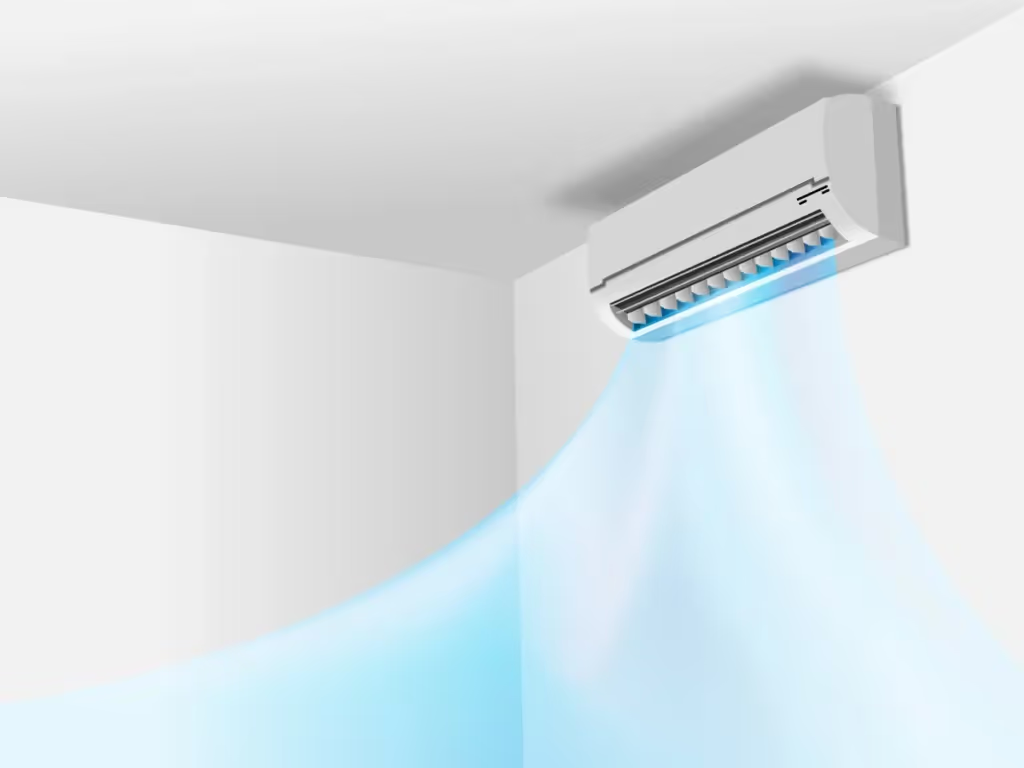
Ductless AC systems, or mini-split systems, have an outdoor unit that connects to one or more indoor units. These systems are designed to cool individual rooms or zones without the need for extensive ductwork. Instead of using ducts to circulate air, they deliver cool air directly into the room through the indoor units.
Advantages:
- Flexible Installation: Ductless systems can be installed in homes without existing ductwork, making them ideal for retrofits or additions.
- Energy Efficiency: These systems often have high energy efficiency ratings, as they do not suffer from the energy losses associated with ductwork.
- Zoning: Ductless systems allow for different rooms or zones to be cooled independently, which can save energy and increase comfort.
Disadvantages:
- Aesthetics: The indoor ductless AC units are visible and can impact the look of your rooms.
- Limited Coverage: Depending on the system's size and number of units, ductless systems may not be suitable for cooling large homes or multiple rooms.
- Initial Cost: While often less expensive to install than ducted systems, high-end ductless systems can still have a significant upfront cost.
Ductless vs. Ducted Air Conditioning: A ComparisonFeatureDucted AC SystemDuctless AC SystemInstallationRequires existing ductwork or new ductworkNo ductwork needed; units mounted on wallsCooling CoverageProvides even cooling throughout the homeBest for cooling individual rooms or zonesAestheticsHidden ducts, only vents visibleIndoor units are visibleEnergy EfficiencyModern ducted AC systems are efficient, but ducts can lead to energy lossHigh energy efficiency, no duct lossesCostHigher installation costs, especially with new ductworkGenerally lower installation costs, but high-end models can be priceyMaintenanceRequires regular duct cleaning and maintenanceRequires maintenance of individual units
When to Choose Ducted or Ductless Systems
Consider your home's layout, cooling needs, and budget to make an informed choice when getting an air conditioning service. Here's a guide to help you choose the best cooling system for your home, whether it's ducted or ductless.
When Ductless Air Conditioning is the Best Option
- No Existing Ductwork - If your home doesn’t have ducts, installing them can be a major hassle. A ductless system is an ideal choice because it doesn’t require ductwork, making installation straightforward.
- Expanding or Renovating - If you’re adding new rooms or renovating existing spaces, installing ductwork can be costly and complex. Ductless systems offer a flexible solution that’s easy to install in new or modified spaces.
- Seasonal Use - If you only need air conditioning during certain times of the year or in specific rooms, ductless systems provide an efficient way to manage cooling in those areas without overhauling your entire home.
- Reduced Dust and Allergens - Ductless systems are a cleaner option as they don’t have ducts that can collect dust and allergens. This helps to improve indoor air quality by reducing the amount of dust circulating through your home.
- Customizable Temperature Control - If different rooms or family members have varying comfort needs, ductless systems provide individual temperature controls for each zone. This AC allows for personalized cooling comfort in different areas of your residential property.
When Ducted Air Conditioning Unit is the Better Choice
- Existing Ductwork - If your home already has a functioning duct system, adding a ducted air conditioner is a cost-effective and simple option. It utilizes the existing ducts, saving you from the need for extensive installation work.
- Effective Moisture Removal - Ducted systems excel at controlling humidity levels, making them a good choice for areas with high humidity. They effectively remove moisture from the air, keeping your home feeling cool and dry.
- Integrated Climate Control - If you want an air conditioning system that works well with your home's current heating and ventilation setup, ducted AC is a good choice. It works well with your existing systems for easy climate control.
- Even Air Distribution - For consistent cooling throughout your home, a ducted system is ideal. It provides uniform air distribution, ensuring that every room maintains the same level of comfort.
- Discreet Design - If you prefer an air conditioning system that blends seamlessly with your home’s decor, ducted systems are perfect. The main components are hidden within your walls or ceiling, leaving only discreet vents visible.
- Lower Maintenance - Ducted systems typically require less frequent maintenance compared to ductless systems. With one central unit and fewer components to clean, they can be easier to maintain over time.
How to Choose an AC System for Your Home
Choosing between ductless vs. ducted air conditioning depends on your home's setup, your cooling needs, and your budget. Ducted systems are great if you want even cooling throughout the whole house and don’t mind hidden vents. Ductless systems are flexible and work well if you don’t have existing ducts or need to cool specific rooms. By considering what each system offers, you can pick the one that will keep your home cool and comfortable all year long.If you’re still unsure which system is best for you or need AC repairs, reach out to Paragon Service Pros. Our team will evaluate your home and help you choose the right air conditioning solution. Contact us today for expert advice and professional installation!
Keep reading: Heat Pumps & Ductless
Browse every article in Heat Pumps & Ductless or head back to the Learning Center .
Comfort you can count on, all year long.
Same-day service, honest diagnostics, and 24/7 emergency help with no overtime fees. A real Greater Phoenix team is standing by.