
Beginner's Guide to How Monsoon Humidity Affects Cooling
Learn how monsoon humidity affects your cooling performance and discover practical ways to keep your AC running efficiently during Arizona storms.

Why Monsoon Season Catches Arizona Homeowners Off Guard
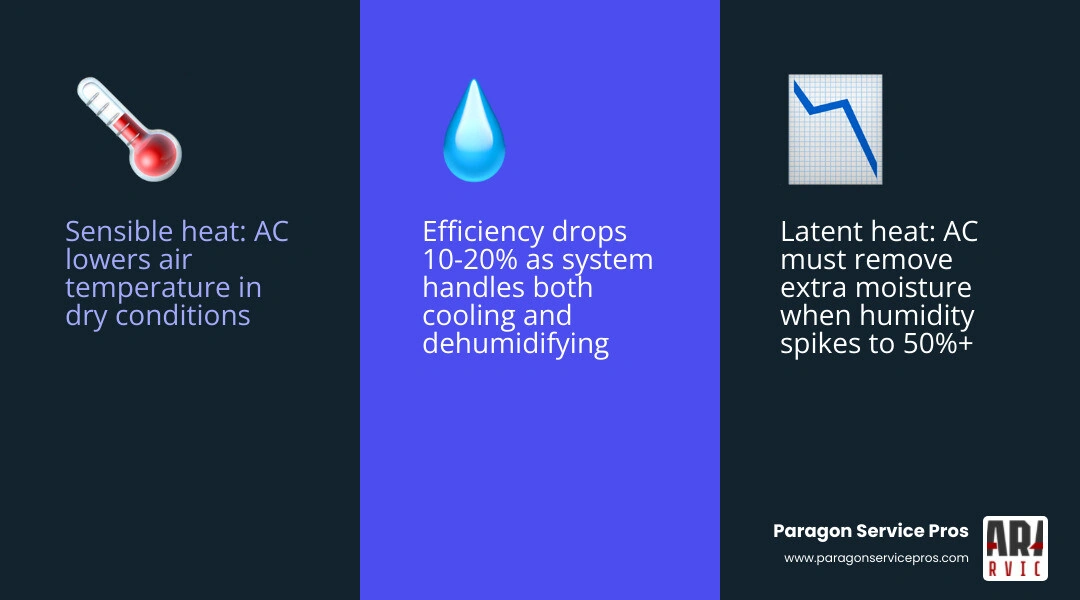
Understanding how monsoon humidity affects your cooling performance is one of the most important things you can do as an Arizona homeowner before July arrives. Most AC systems in the Southwest are built for dry, blazing heat — not the sudden wall of moisture that rolls in during monsoon season. When humidity spikes from 10–20% up to 40–60% or higher, your system has to do two jobs at once: lower the temperature and pull moisture out of the air. That double workload is why so many homes in Mesa, Gilbert, and Chandler still feel sticky and uncomfortable even when the AC is running nonstop.
How monsoon humidity affects your AC — quick summary:
| What Changes | What It Means for You |
|---|---|
| Humidity jumps from ~15% to 50%+ | AC must remove heat AND moisture simultaneously |
| Cooling efficiency drops 10–20% | Your home feels warmer than the thermostat setting |
| Indoor temps stay 2–5°F above setpoint | You turn the thermostat lower, adding more strain |
| AC run times increase significantly | Energy bills rise 15–30% during monsoon months |
| Indoor humidity can hit 55–65% | Risk of musty odors, mold, and poor air quality |
The core problem is this: dry-climate AC systems are designed primarily to cool air (sensible heat), not to act as heavy-duty dehumidifiers (latent heat). When monsoon season hits, that gap in performance becomes impossible to ignore. A home that felt perfectly cool in May can feel muggy and uncomfortable by mid-July — even with the same thermostat setting.
This guide breaks down exactly what's happening inside your system, the warning signs to watch for, and what you can do to stay comfortable all season long.
Learn more about how monsoon humidity affects your cooling performance:
How Monsoon Humidity Affects Your Cooling Performance
To understand why your air conditioner struggles when the weather turns sticky, it helps to understand how your system operates in different climates. In the dry heat of early summer, your AC has a relatively simple job. It focuses almost entirely on lowering the air temperature. This is known as managing sensible heat—the actual temperature you can read on a thermometer.
However, when the seasonal wind patterns shift in June 2026, bringing moist air up from the Gulf of California, the cooling load on your system changes drastically. This brings latent heat into the mix. Latent heat is the thermal energy stored within water vapor. Because moist air holds onto heat far more stubbornly than dry air, your air conditioner must work twice as hard to achieve the same cooling effect.
When you look at How Arizona Desert Climate Affects Your HVAC, you see that our local systems are optimized for rapid heat rejection in dry environments. When outdoor relative humidity spikes from a comfortable 10% or 15% to over 50%, the physical properties of the air change. The air feels heavier because it is saturated with water. This shift dramatically alters How Desert Temperature Swings Affect Your HVAC, as high humidity prevents temperatures from dropping comfortably at night, denying your hardworking AC system its usual nocturnal break.
How Monsoon Humidity Affects Your Cooling Performance Compared to Dry Heat
Under dry desert conditions, warm indoor air passes over your AC's cold evaporator coil, and the heat is quickly absorbed by the refrigerant inside. Because the air is dry, almost 100% of your system’s cooling capacity goes toward lowering the indoor temperature.
When monsoon humidity enters your home, the physical process changes:
- Condensation Takes Priority: As humid air hits the cold evaporator coil, the water vapor quickly condenses into liquid water, much like droplets forming on a cold glass of iced tea on a July afternoon.
- Reduced Heat Exchange: The physical act of turning water vapor into liquid water releases latent heat directly onto the evaporator coil. This means your refrigerant absorbs moisture-related heat before it can even begin to lower the actual air temperature.
- Efficiency Loss: Because so much energy is spent on moisture removal, your system’s overall cooling efficiency can drop by 10% to 20%.
- Extended Cycles: Your AC must run for much longer periods just to bring the indoor climate down to your thermostat setpoint.
Why AC Units Struggle with High Humidity
Air conditioners are naturally designed to dehumidify as they cool, but they are not dedicated dehumidifiers. They have physical limits. During a typical dry Arizona week, your AC might produce 1 to 2 gallons of condensation per day as a minor byproduct of the cooling cycle. During the peak of the monsoon, however, that same system may be forced to pull 5 to 10 gallons of water out of your indoor air every single day!
This massive increase in condensation places a heavy physical burden on the compressor. The compressor must run longer, high-pressure cycles to keep the evaporator coil cold enough to squeeze moisture out of the air. This is why understanding How Arizona Monsoon Season Affects Your HVAC System is so vital for maintaining indoor comfort and preventing unexpected breakdowns.
To visualize the sheer difference in workload your air conditioner faces between dry and humid seasons, consider this comparison:
| Performance Metric | Dry Desert Conditions (May/June) | Humid Monsoon Conditions (July/August) |
|---|---|---|
| Average Outdoor Humidity | 5% to 15% | 40% to 60%+ |
| Primary Cooling Focus | Sensible Heat (Air Temperature) | Sensible + Latent Heat (Temp + Moisture) |
| Daily Condensate Production | 1 to 2 Gallons | 5 to 10 Gallons |
| Cooling Efficiency | 100% Optimal Performance | 10% to 20% Efficiency Loss |
| Average Cycle Length | 10 to 15 Minutes | 20 to 30+ Minutes (or continuous running) |
| Indoor Feel | Crisp and Cool | Sticky, Warm, or "Clammy" |
Understanding How Monsoon Humidity Affects Your Cooling Performance and Efficiency
When your AC is forced to run extended, heavy-duty cycles to combat moisture, the consequences show up directly on your monthly utility bills. During highly humid monsoon weeks, overall AC energy usage can climb by 15% to 25% due to these longer cooling cycles. This extra workload can cause your summer energy bills to jump by 15% to 30%.
Beyond the immediate financial impact, these non-stop run times accelerate system wear and tear. Components like the blower motor, fan, and compressor are pushed to their absolute limits. If your system is already carrying hidden vulnerabilities, the stress of monsoon humidity is often what triggers a sudden system failure. Implementing smart operational adjustments and following Maximizing Energy Efficiency Tips for Your AC Unit can help shield your budget and your equipment from these seasonal spikes.
Common Signs Your AC is Struggling with Monsoon Humidity
How do you know if the high outdoor humidity has officially breached your home and overwhelmed your cooling system? Keep an eye out for these common warning signs:
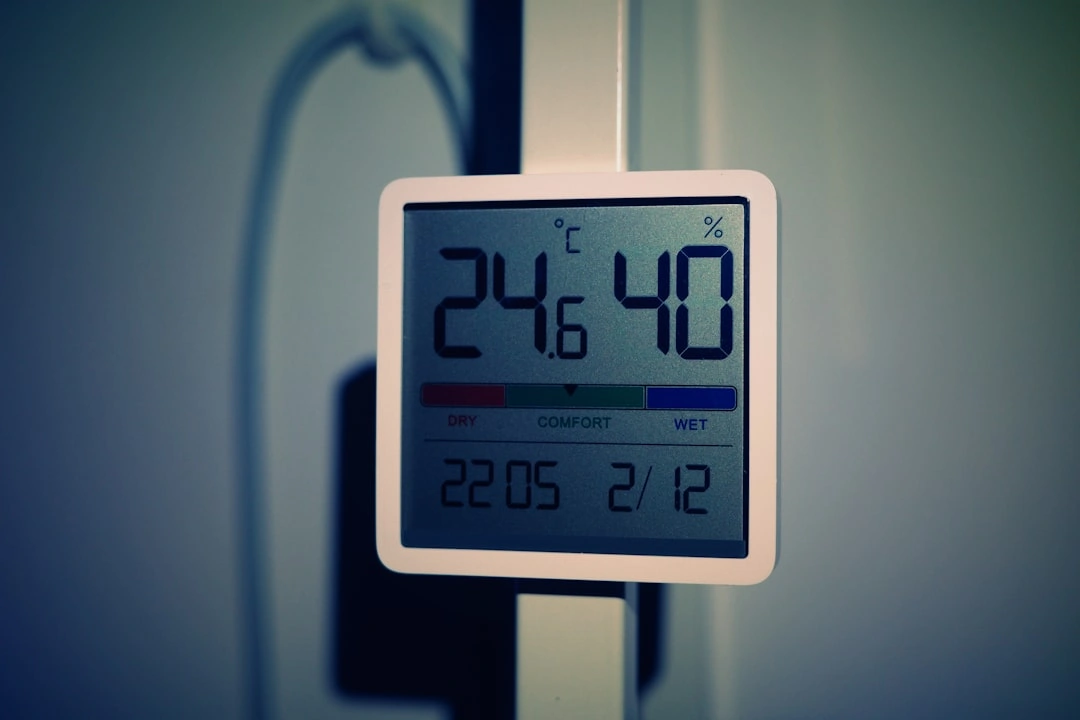
- Sticky or Clammy Indoor Air: If your skin feels damp or sticky even when the thermostat says it is 75°F inside, your indoor humidity has likely climbed past the comfort zone.
- Musty Odors: When indoor humidity levels climb to 55% or 65%, it creates a perfect breeding ground for mold and mildew. This often manifests as a damp, musty smell coming from your vents or closets.
- The "Clammy" Effect: This occurs when your home feels cold but distinctly damp. It is a classic sign that your AC is lowering the temperature but failing to remove moisture.
- Constant Running Without Reaching the Setpoint: If your AC runs continuously for hours without ever reaching your target temperature, the latent heat load is likely too high for the system to manage.
- Frozen Evaporator Coils: It sounds counterintuitive, but high humidity combined with restricted airflow can actually cause your indoor evaporator coils to encase themselves in ice, blocking all cooling performance.
Factors That Worsen Humidity-Related AC Problems
While monsoon humidity is a natural seasonal challenge, certain home and system deficiencies can make the problem significantly worse.
- Dirty Air Filters: A filter clogged with desert dust restricts vital airflow across your indoor coil. When airflow drops, the condensation on the coil can quickly freeze, turning your AC into an ineffective block of ice.
- Poor Home Insulation: If your attic or walls lack proper insulation, humid outdoor air will continuously seep into your living spaces, constantly replenishing the moisture your AC is trying to remove.
- Leaky Ductwork: On average, typical residential duct systems lose 20% to 30% of their conditioned air through small cracks and loose joints. During the monsoon, leaky return ducts in your hot attic will pull in humid, dusty air, compounding the moisture load on your system.
- Aging Cooling Systems: Older air conditioners (typically those over 10 to 15 years old) lose their ability to manage complex latent heat loads efficiently. If you are wondering How Long Does an AC Last in the Desert, the answer heavily depends on how well the system is maintained against these intense seasonal humidity spikes.
Practical Steps to Improve Your AC's Monsoon Performance
Fortunately, you do not have to sit back and suffer through the sticky weather. There are several highly effective, practical steps you can take to support your system:
- Change Air Filters Every Two Weeks: Desert dust storms (haboobs) can increase HVAC maintenance needs by up to 40%. During July and August, inspect your air filters bi-weekly and replace them promptly to maintain optimal airflow.
- Keep the Thermostat Fan Setting on AUTO: Never set your thermostat fan to "ON" during the monsoon. When set to "ON," the fan runs continuously, blowing air over the wet evaporator coil even when the compressor is resting. This re-evaporates the collected water and blows it right back into your home, raising indoor humidity by 3% to 5%.
- Utilize "Dry Mode" If Available: Many modern split systems feature a dedicated "Dry Mode" (often represented by a water drop icon). This setting slows down the fan speed and runs the compressor in sustained cycles specifically optimized to maximize moisture removal without overcooling your rooms.
- Seal Your Home's Envelope: Keep all windows and doors firmly closed while your AC is running. Ensure weatherstripping and door sweeps are intact to prevent humid air from sneaking inside.
- Maintain Outdoor Clearances: Keep shrubs, weeds, and debris trimmed at least two feet away from your outdoor condenser unit to ensure proper heat rejection.
For a complete breakdown of local system optimization, check out our guide on the Best HVAC Setup for Arizona Weather. Additionally, implementing proactive AC Maintenance Tips Tempe AZ will ensure your system remains resilient against sudden environmental shifts.
When to Call a Professional for Monsoon HVAC Support
While proactive homeowner maintenance goes a long way, certain humidity-induced issues require the specialized tools and expertise of a licensed technician.
- Clogged Condensate Drain Lines: Because your AC is pulling gallons of water out of the air daily, your condensate drain line is working overtime. Dust, algae, and insect nests can easily clog these lines, leading to water backing up and pooling around your indoor unit, which can cause major water damage.
- Refrigerant Charge Issues: If your system is low on refrigerant, the evaporator coil cannot maintain the precise temperature needed to condense and drain water vapor effectively.
- Electrical Storm Damage: Monsoon lightning strikes and power surges can damage sensitive system control boards, capacitors, and compressors. If your system trips its breaker or fails to turn on after a storm, professional diagnostic care is essential.
Before the heavy storms roll in, scheduling a professional inspection can save you from a major breakdown. Reviewing Seasonal HVAC Maintenance Preparing Your System for Year-Round Comfort is the best way to ensure your home remains a cool, dry sanctuary all summer long.
Frequently Asked Questions About Monsoon Cooling
What is the ideal indoor humidity level during the Arizona monsoon?
According to industry standards, the ideal indoor relative humidity level for comfort and health is between 30% and 50%. During the monsoon, aiming for 35% to 45% is the sweet spot. Keeping your indoor humidity below 50% is crucial for preventing mold growth, keeping dust mite populations down, and ensuring your sweat can evaporate naturally to keep you cool.
Should I run my AC fan on AUTO or ON when it is humid?
Always set your fan to AUTO. When the fan is set to "ON," it runs non-stop. When the cooling cycle ends and the compressor turns off, the evaporator coil is still dripping with moisture. Running the fan over this wet coil re-evaporates that water back into your household air. The "AUTO" setting ensures the fan stops when the cooling cycle stops, allowing the water to drain safely outside.
Can a dirty air filter cause my AC to freeze up during a storm?
Absolutely. A dirty filter severely restricts the volume of warm air passing over your cold evaporator coil. When warm indoor air cannot reach the coil, the condensation rapidly freezes. During monsoon dust storms, fine desert dust can clog a standard filter in a matter of days, making regular filter checks vital.
Conclusion
The unique combination of extreme heat and high humidity during the Arizona monsoon season presents a significant challenge to your home’s air conditioning system. By understanding how monsoon humidity affects your cooling performance, keeping up with simple maintenance like bi-weekly filter changes, and configuring your thermostat correctly, you can keep your home dry, comfortable, and energy-efficient.
If your air conditioner is struggling to keep up with the summer humidity, begins making unusual noises, or has suffered storm-related electrical issues, our expert team is here to help. We provide top-tier heating, cooling, and indoor air quality services across Mesa, Gilbert, Chandler, Gold Canyon, Queen Creek, and San Tan Valley.
Schedule expert AC service in Mesa, AZ with Paragon Service Pros today to ensure your cooling system is ready to handle whatever the monsoon throws our way!
Keep reading: Air Conditioning
Browse every article in Air Conditioning or head back to the Learning Center .
Comfort you can count on, all year long.
Same-day service, honest diagnostics, and 24/7 emergency help with no overtime fees. A real Greater Phoenix team is standing by.